
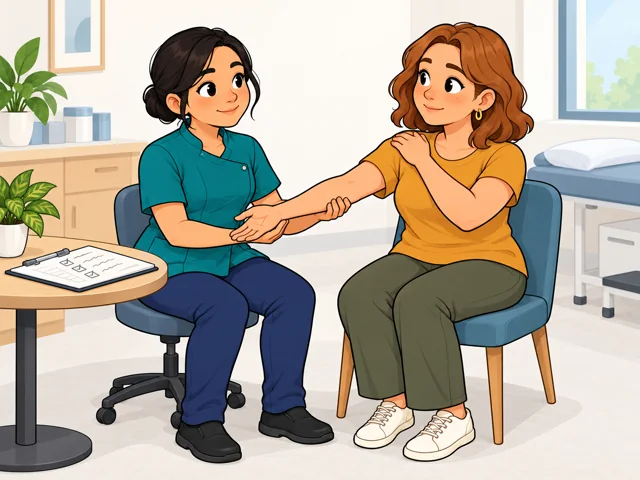
Hear the patient's health story
Review the patient's medical history, ask how symptoms disrupt daily life, and add what your physical exam showed.
Career profile
Acupuncturists use very thin needles to treat health problems, often pain but not always.
This work pairs careful listening with precise handwork in three parts: hearing what worries a patient, choosing the care, and checking what changed afterward.
Review the patient's medical history, ask how symptoms disrupt daily life, and add what your physical exam showed.
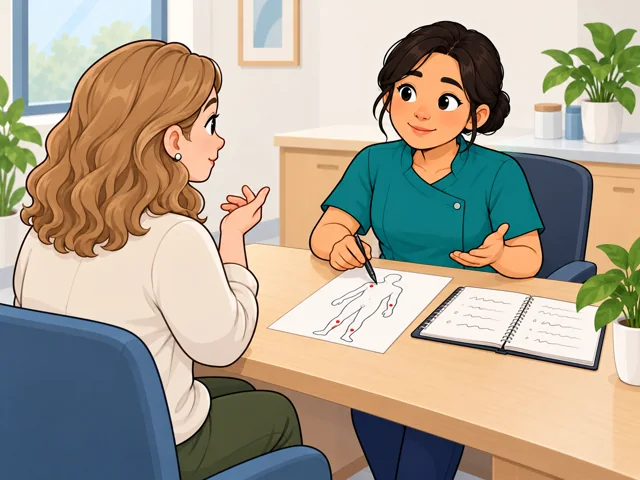
Match the approach to your findings, explain why, and notice who should also or instead see another provider.

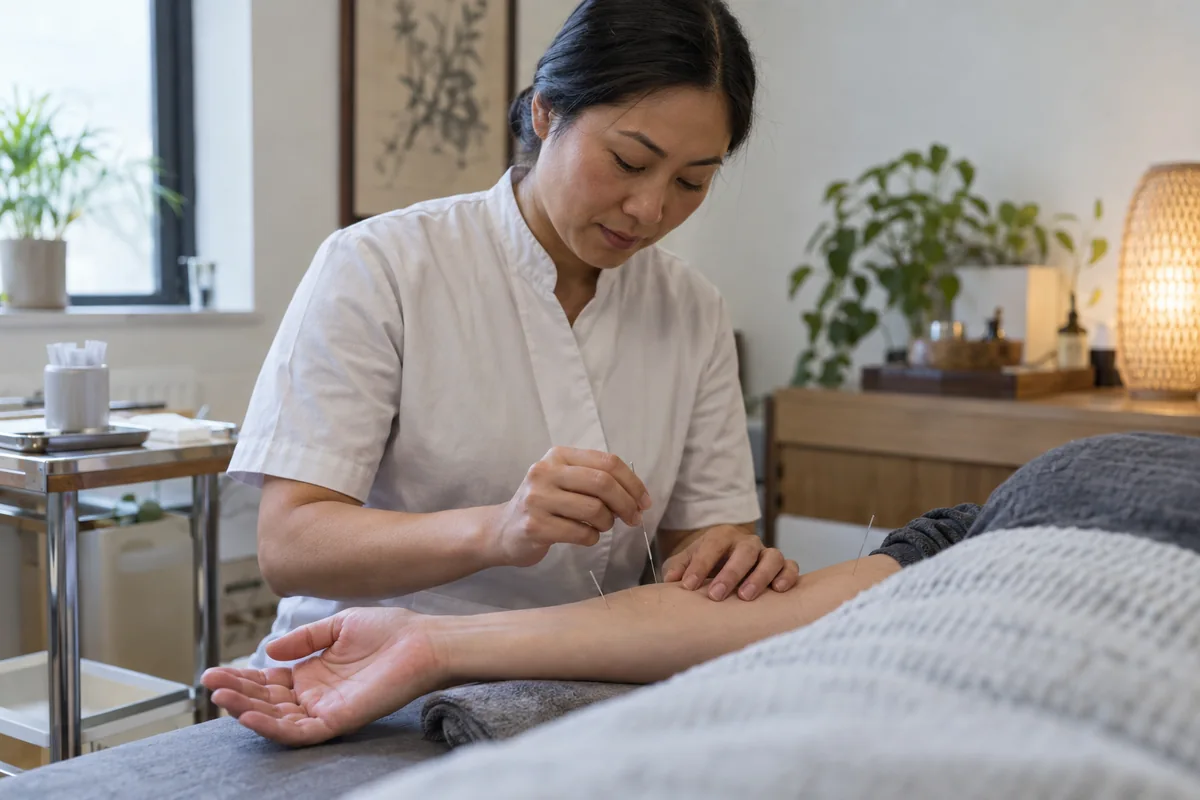
Insert sterile, single-use needles and watch how the patient responds as treatment goes on.
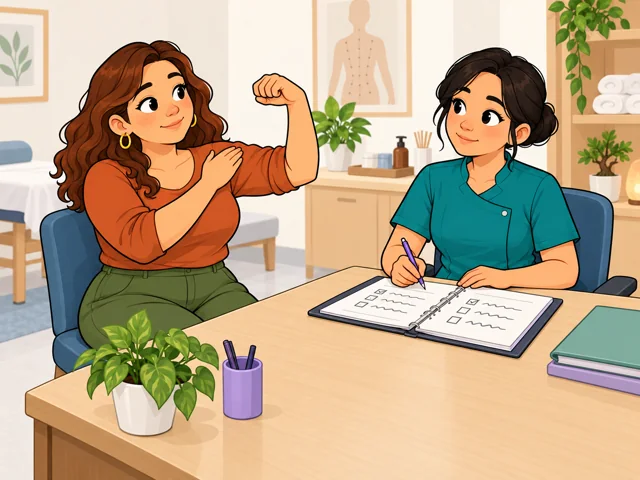
Ask what changed since last visit and chart it, rethinking care if gains stall or reactions surprise you.
United States · 2025–2035
United States · May 2025
United States · 2025–2035
Quick orientation
Typical entry education; the qualifying route also depends on your state.
National employee median, equivalent to $36.56 an hour.
Projected employment growth, with about 800 openings a year nationwide.
Electronic patient charts help you organize treatment notes and compare visits.
You still examine the patient, choose the plan, and carry out the hands-on treatment.
Whether better software produces longer visits or more appointments will depend on how clinics organize the work.
Pay in context
Separate an employee's wage from the money a clinic brings in.
In May 2025, acupuncturists had a median wage of $76,040 a year, or $36.56 an hour. The 10th-to-90th-percentile spread was $38,830–$161,470 annually. Those endpoints are not starting and senior salaries.
These wage estimates exclude self-employed acupuncturists. If you own a clinic, patient payments must also cover expenses such as space and supplies, so receipts are not take-home pay.
Employment is projected to grow 8.6% from 2025 to 2035, with about 800 openings per year on average. Openings include replacement needs as well as growth; local opportunities will differ.
Check the licensing rules where you want to practice before choosing training. States differ in the education and examinations they accept.
After entry
This starts where the entry routes leave off: early work, growing capability, and advancement or specialization. This path also has a credential or licensing boundary; see the requirements and limits.
Build a consistent routine for intake, treatment, and notes. Seek help with unfamiliar cases.
Compare responses across visits and get better at explaining treatment choices to patients and other clinicians.
Experienced practitioners can move into mentoring, clinical research, or leading an acupuncture service. Veterans Affairs has advanced roles with these responsibilities.
Several patients receive treatment in a shared space at the same time. You divide your attention among people at different points in their sessions.
You review referrals and exchange findings with other healthcare professionals. Your acupuncture visits fit into a broader care plan.
Try it
Imagine a patient returning after an acupuncture visit for back pain. Write three questions about changes in everyday activities, then invent brief answers and summarize them in two sentences. Notice whether careful questioning and tracking change interest you.
Stay safe: Keep this a paper exercise; do not attempt needling or give treatment advice.