
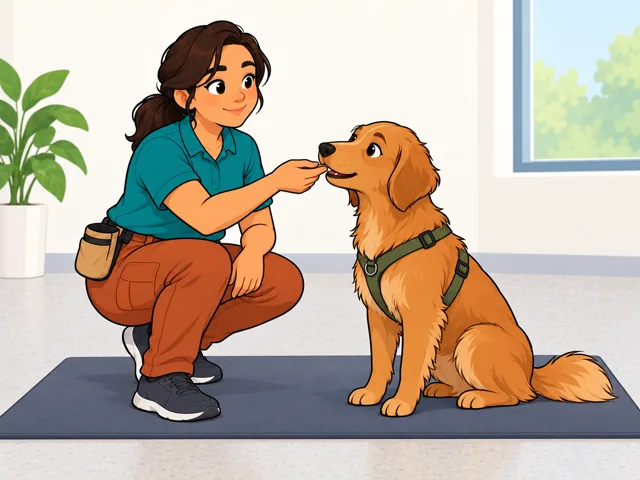
Reward a dog for sitting
With a dog, for example, practice the sit signal, reward the sit, and slowly make it dependable.
Career profile
Animal trainers teach animals actions for daily living, riding, performing, or helping people.
Watch how the animal reacts first, then choose the next lesson. Tiny changes in behavior are progress you keep building on.
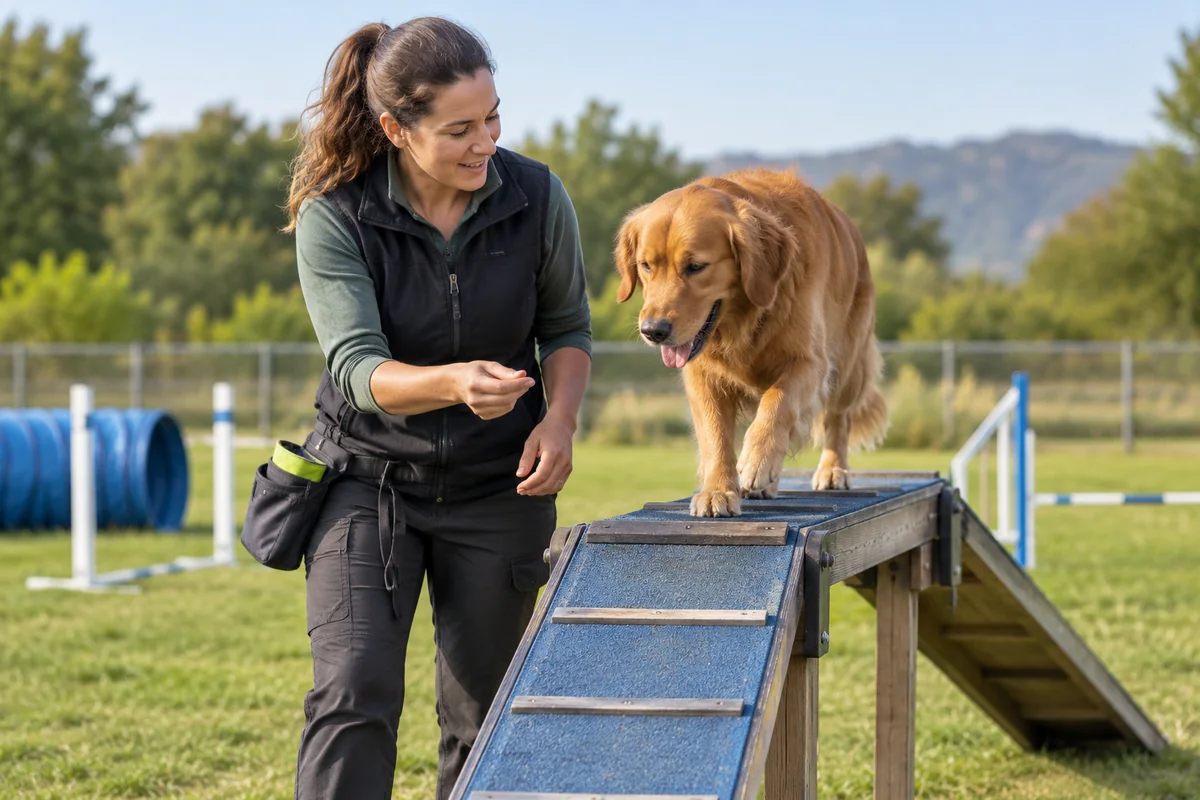
With a dog, for example, practice the sit signal, reward the sit, and slowly make it dependable.
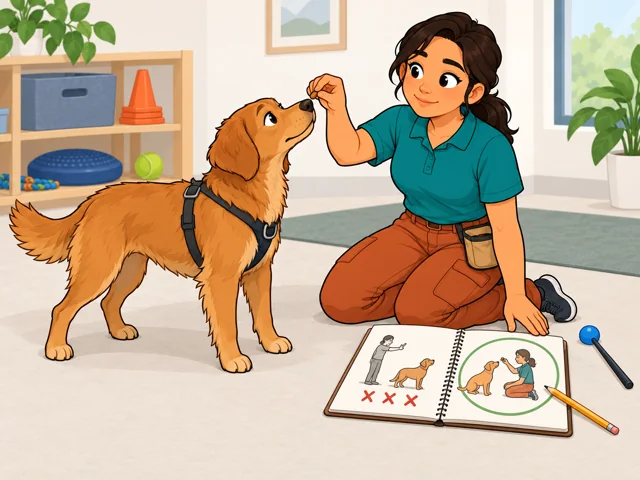
When an animal keeps missing a signal, rethink your method and change the next attempt.
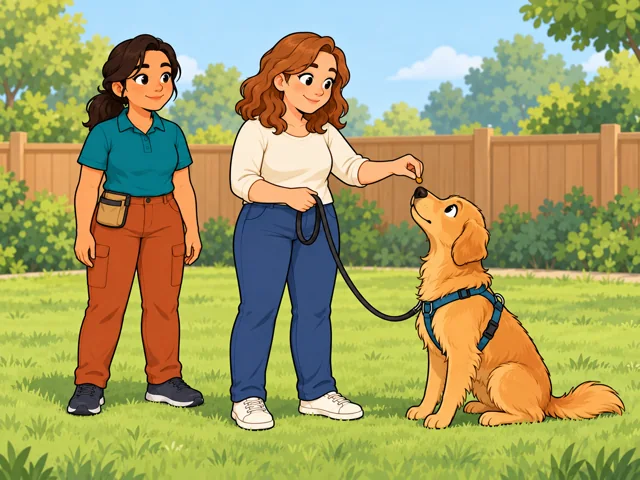
Show the owner the signal yourself first, then watch while they try it with their dog.
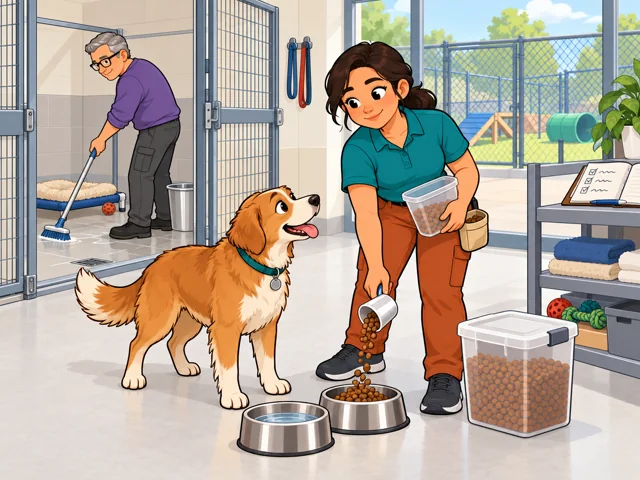
Outside training, feed and exercise the animals, clean where they're kept, and record any behavior or health changes.
United States · 2025
United States · May 2025
United States · 2025–2035
Quick orientation
A high school diploma or equivalent and moderate-term on-the-job training are typical.
National median for animal trainers; the published hourly median is $19.22.
About 6,500 openings annually across animal-training specialties.
Recorded training sessions let an instructor replay your timing and give feedback. Some dog-trainer programs also offer live video coaching.
You still practice with the animal and use feedback to change how you teach; the video does not carry out the lesson.
How much coaching can move online depends on whether the camera captures enough of the animal, handler, and surroundings to guide the next step.
Pay in context
Compare both the wage and the hours offered. Part-time work is common, and these employee wage figures exclude self-employed trainers.
The median was $39,990 annually, or $19.22 hourly. The 10th and 90th percentiles were $29,600 and $75,490 annually—$14.23 and $36.29 hourly. These are wage ranges, not beginner and experienced pay grades.
Animal trainers had median annual wages of $39,990 in other personal services and $36,240 in retail trade.
Employment is projected to grow 4.2%, with about 6,500 openings a year on average. Those openings include replacement needs, not just newly created jobs.
Entry depends on the animals and setting. Marine mammal training usually requires a related bachelor’s degree.
After entry
This starts where the entry routes leave off: early work, growing capability, and advancement or specialization.
Build consistent sessions and useful behavior records.
Learn to build more complex behaviors and explain your methods clearly to handlers.
In guide-dog organizations, experienced instructors may progress to higher instructor levels or supervisory work.
Work can include riding and teaching horses to respond to reins or other cues. Your own balance and handling matter throughout the session.
You work with both dogs and people with visual impairments. Training can extend into clients’ homes and field follow-up, with support from other instructors.
Try it
Watch a short reward-based dog-training video. Pause after each attempt and write down the cue, the dog’s response, and when the reward arrives. Notice whether tracking those details interests you.
Stay safe: Keep this an observation exercise; you do not need to handle an animal.