
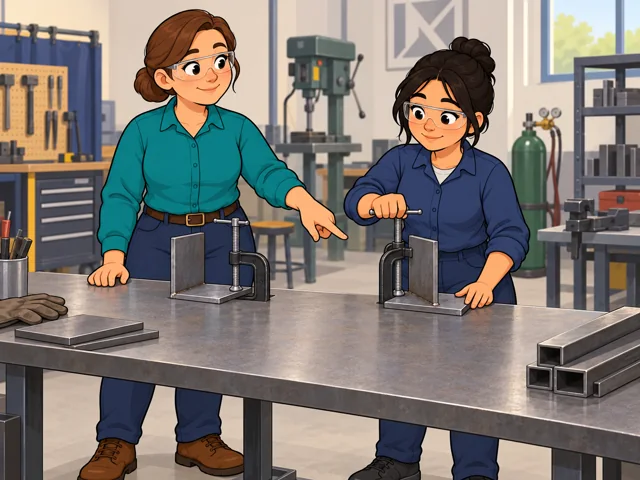
Show it first, then watch
Demonstrate the method first, then watch students use the tools and correct unsafe handling so everyone stays safe.
Career profile
Career and technical instructors teach college students the hands-on skills trade and technical jobs require.
Your field experience becomes course material. Demonstrate a technique for the class, watch students try it, and help them spot what to adjust.

Demonstrate the method first, then watch students use the tools and correct unsafe handling so everyone stays safe.
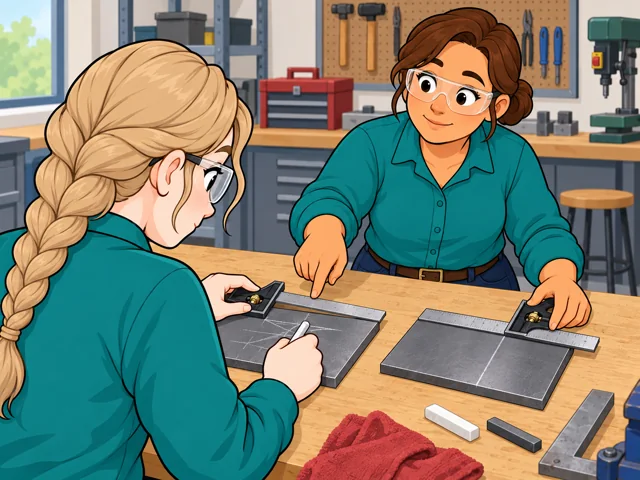
If one student keeps repeating a mistake, watch them try, find where they stall and reword the step.
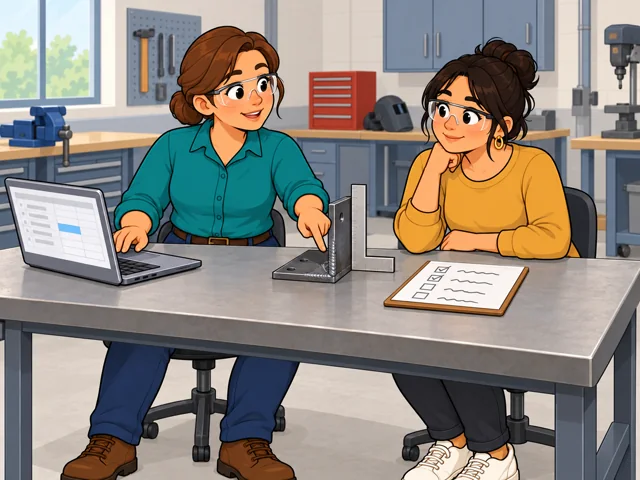
Score a finished project against course standards, tell the student why it earned that mark and record it.
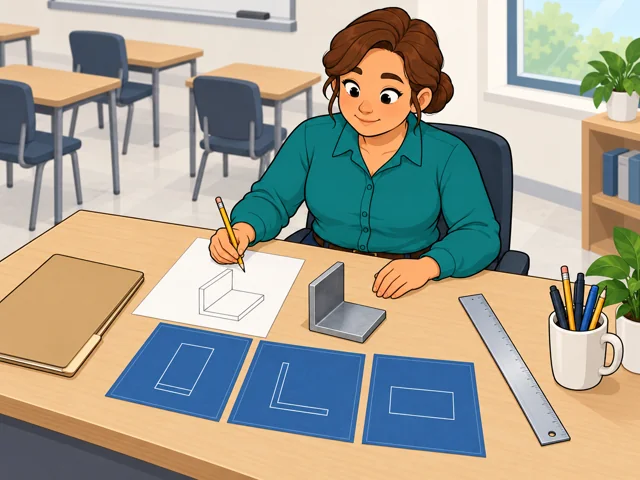
In a welding course, you might schedule blueprint-reading practice before the class starts a fabrication project.
United States
Check whether an offer pays an annual salary or pays separately for each teaching unit.
Some colleges recruit part-time instructors into pools, then hire when classes need staffing.
Quick orientation
An associate or bachelor's degree can be part of the route; the college and subject determine the requirements.
Check whether an offer pays an annual salary or pays separately for each teaching unit.
Some colleges recruit part-time instructors into pools, then hire when classes need staffing.
In welding, virtual practice tools can track hand movement and replay an attempt, giving you specific points to discuss with a student.
You interpret the results, choose the next exercise, and judge performance with real equipment.
How much practice moves into simulation—and how much coaching software takes over—will depend on the skill being taught and how well practice transfers to real work.
Pay in context
These national figures cover career and technical education teachers across postsecondary settings, including colleges and noncollege vocational schools. Use them as a benchmark when comparing offers.
The 2025 median was $63,820 a year, with an hourly equivalent of $30.68. Half earned more and half less. The hourly figure is not pay for each hour spent teaching a class.
In May 2025, the 10th-percentile annual wage was $41,960 and the 90th-percentile wage was $108,620. These are wage percentiles, not starting and senior salaries.
May 2023 average annual pay was $70,830 in junior colleges, $72,990 in colleges, universities, and professional schools, and $66,950 in technical and trade schools. These are historical averages for this occupation, not starting offers.
For the broader postsecondary occupation, employment is projected to fall 0.3% from 2025 to 2035, with about 8,000 openings a year on average. These national projections do not tell you which colleges will be hiring.
First build skill in the occupation you want to teach. Compare faculty requirements before choosing a degree: colleges use different combinations of education and work experience.
After entry
This starts where the entry routes leave off: early work, growing capability, and advancement or specialization.
Turn course objectives into lessons and grading criteria. Build a reliable routine for attendance and student records.
Develop more ways to explain difficult skills and refresh lessons as industry methods change.
Take on curriculum planning, coordination with part-time instructors, or meetings with industry advisers.
A full-time role can combine teaching with student advising, curriculum meetings, and work with industry advisers.
You may teach at more than one campus, including evenings or weekends. Assignments can be temporary while still requiring office hours and student records.
Try it
Teach someone to read a ruler and mark a target length on paper. Demonstrate once, watch them try, then change your explanation if needed. Do you enjoy figuring out why another person's attempt went wrong?