

Book the next study visit
Check the protocol before you book the participant's next appointment where the study timeline puts it.
Career profile
Clinical research coordinators turn a study protocol into booked visits, conversations and usable records.
Study participants learn their next steps from you, and researchers hear from you whenever a visit or record does not follow the protocol.

Check the protocol before you book the participant's next appointment where the study timeline puts it.
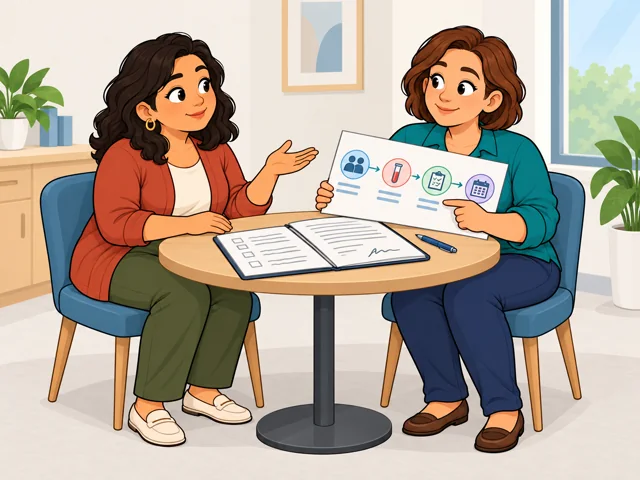
Explain the visits and what the study asks, answer questions, and check that records show each person agreed.
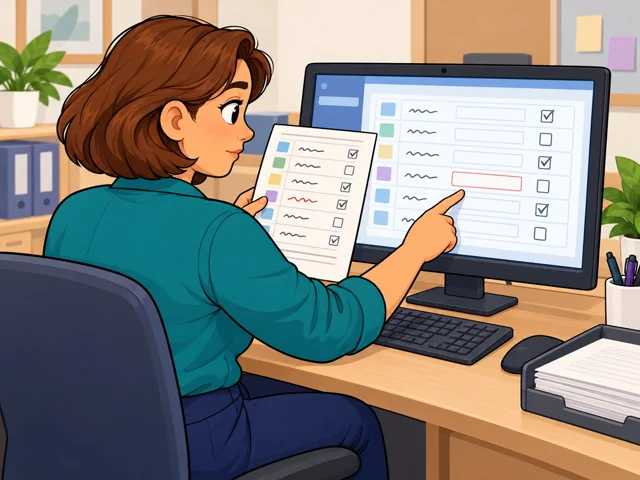
Match visit records to the electronic study form and chase mismatched dates or blanks before calling data complete.

Log a missed required visit, tell the investigator, and track unexpected problems until they reach the right review.
United States · 2026
Compare the location, coordinator level, and advertised pay range together.
Look for openings by study specialty and coordinator level.
Quick orientation
Requirements vary by employer; associate roles and paid research apprenticeships offer starting routes.
Compare the location, coordinator level, and advertised pay range together.
Look for openings by study specialty and coordinator level.
In some trials, sensors and software collect measurements away from the clinic, and telehealth supports remote visits.
You still explain participation and follow up when information is missing.
How much remote collection replaces clinic visits depends on the study's procedures and participants' needs.
Pay in context
Pay varies with location, responsibilities, and experience. These advertised ranges describe specific medical-center jobs, not a national average.
A full-time coordinator role lists $27.99–$41.98 an hour.
A pulmonary research role lists $61,026–$101,959 in annual base salary. Experience, training, skills, and job scope help determine the offer.
You begin within a study team led by an investigator. Entry requirements depend on the role; completing a course alone does not establish your responsibilities.
After entry
This starts where the entry routes leave off: early work, growing capability, and advancement or specialization.
After hiring, learn the team's research systems, visit workflows, and reporting contacts. Get familiar with each study you will support.
Build toward coordinating treatment studies, resolving protocol problems, and teaching newer colleagues how the work is done.
Some employers assess demonstrated skills for advancement. Duke uses competency assessments and, for its highest coordinator tier, portfolio review.
You work across clinic visits, pharmacy services, investigators, and study sponsors. Monitoring visits add another schedule to manage.
Some cancer-center roles coordinate surveys and chart reviews rather than treatment studies. Certain positions allow hybrid work but still require local residence and campus attendance.
Try it
Make a fictional study calendar: three participants each need a follow-up 7–10 days after their first visit. Move one appointment outside that window. Write what changed and what you would ask the investigator. Notice whether you enjoy tracking details and explaining a problem clearly.
Stay safe: Use invented names and dates, not real patient information.