
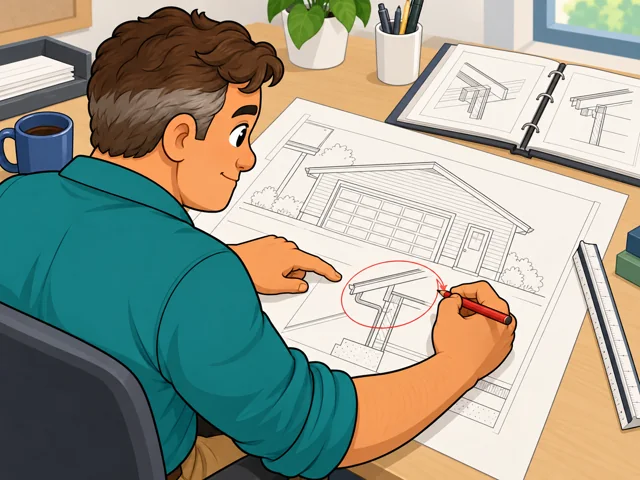
Flag a code fix on plans
In plan-review jobs, flag one spot on a garage or addition drawing the builder must change for code.
Career profile
Building inspectors check how structures go together against drawings and code, and name needed fixes.
A contractor wants to move on, but the work does not fit the drawings. Can you name the exact problem and explain the fix clearly?
In plan-review jobs, flag one spot on a garage or addition drawing the builder must change for code.
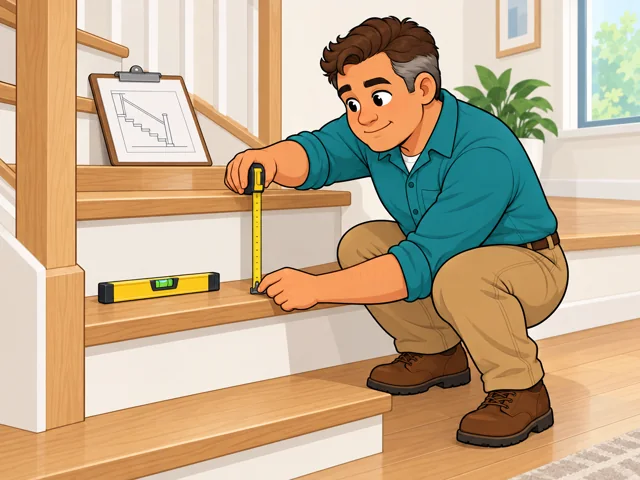
With a level and a tape measure, check a stair's sizes and alignment against the drawings and code.

When an installed item misses a requirement, show the contractor, explain the rule, and record the deficiency.

Attach photos and findings to the record, then log fixes or approval so the next inspection starts clear.
United States · 2025–2035
United States · May 2025
United States · 2025–2035
Quick orientation
The typical route includes substantial related experience, followed by training on the job.
Median employee pay: $35.91/hour across construction and building inspectors.
About 14,800 openings a year are projected across the occupation, even with little overall growth.
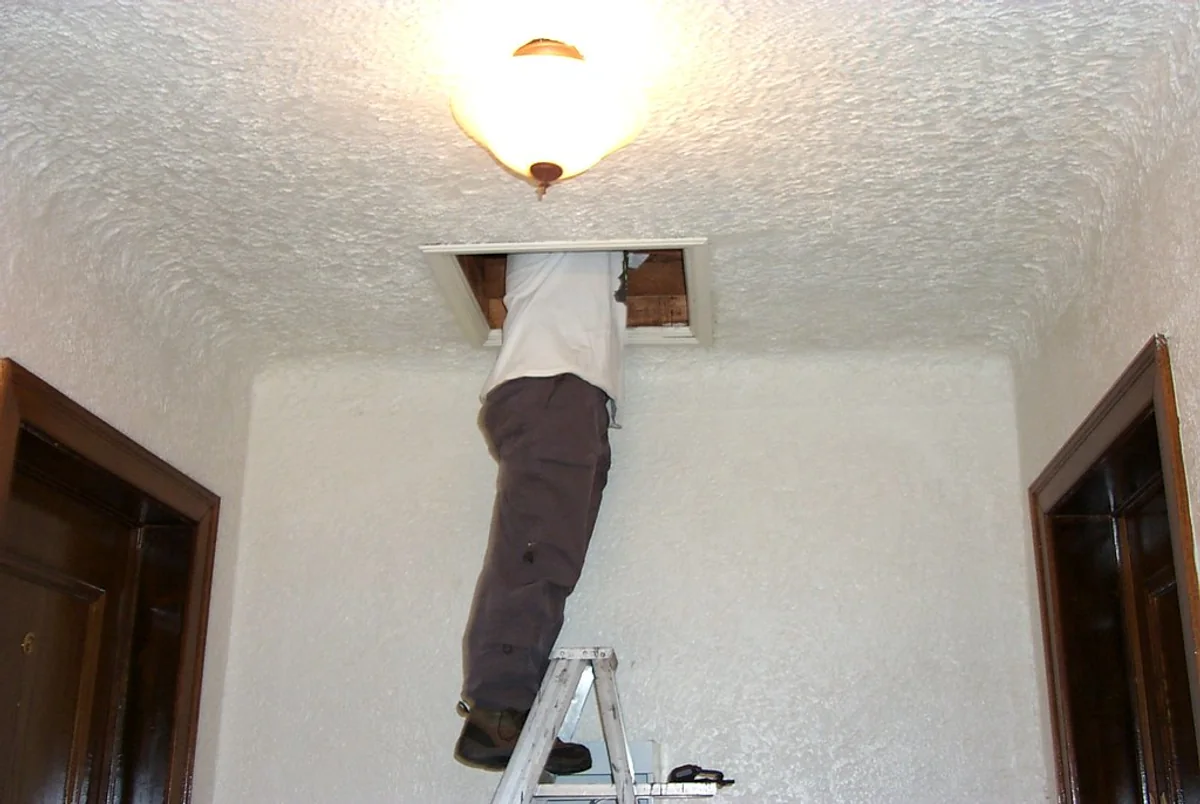
Where video inspections are offered, someone onsite can show you the work through a phone or tablet, avoiding some travel.
You direct the view and judge whether it shows enough to assess compliance. An unclear view can mean arranging an onsite inspection.
How much fieldwork shifts to video will depend on local policies, project complexity, and whether cameras can show the necessary details reliably.
Pay in context
These figures cover the full construction and building inspector occupation. They exclude self-employed earnings.
The median was $74,690 a year, or $35.91 an hour. The lowest-paid 10% earned under $47,140; the highest-paid 10% earned over $114,200. Those are wage percentiles, not starting and senior salaries.
Annual medians were $77,500 in engineering services, $74,460 in construction, $73,930 in local government, and $73,520 in state government. Government figures exclude schools and hospitals.
Employment is projected to change by 0%, with about 14,800 openings annually. Openings can occur as people leave the occupation even when its total size stays steady.
Entry requirements depend on the employer and jurisdiction. These two routes show how related study or trade experience can lead into inspection.
After entry
This starts where the entry routes leave off: early work, growing capability, and advancement or specialization. This path also has a credential or licensing boundary; see the requirements and limits.
Learn the department's permit system and turn observations into clear correction records.
Build confidence interpreting plans and applying codes across more complex buildings or a specialty such as structural inspection.
Experience can lead toward plans examiner or building official roles; additional education may be needed.
Move between construction sites and a permit office. Alongside inspections, you answer builders' questions about plans, permits, and corrections.
Report a home's condition to buyers or sellers without enforcing code compliance. Daytime visits may lead to evening report writing.
Try it
Try writing a short observation about a familiar stairway: sketch it, measure one easily reached feature, and describe its location precisely. Could someone else find the same feature from your note? This samples the job's careful observation and reporting.
Stay safe: Stay on normal walking surfaces, ask permission before measuring, and do not treat this exercise as a safety or code inspection.