

Review a new court filing
Check that nothing is missing, log it in the court's case system, and send errors back for fixing.
Career profile
Court, municipal, and license clerks handle court filings, protect municipal records, or guide license applicants.
You turn paperwork and questions into accurate public records. It suits someone who likes both catching a mismatched number and explaining a person's next step.
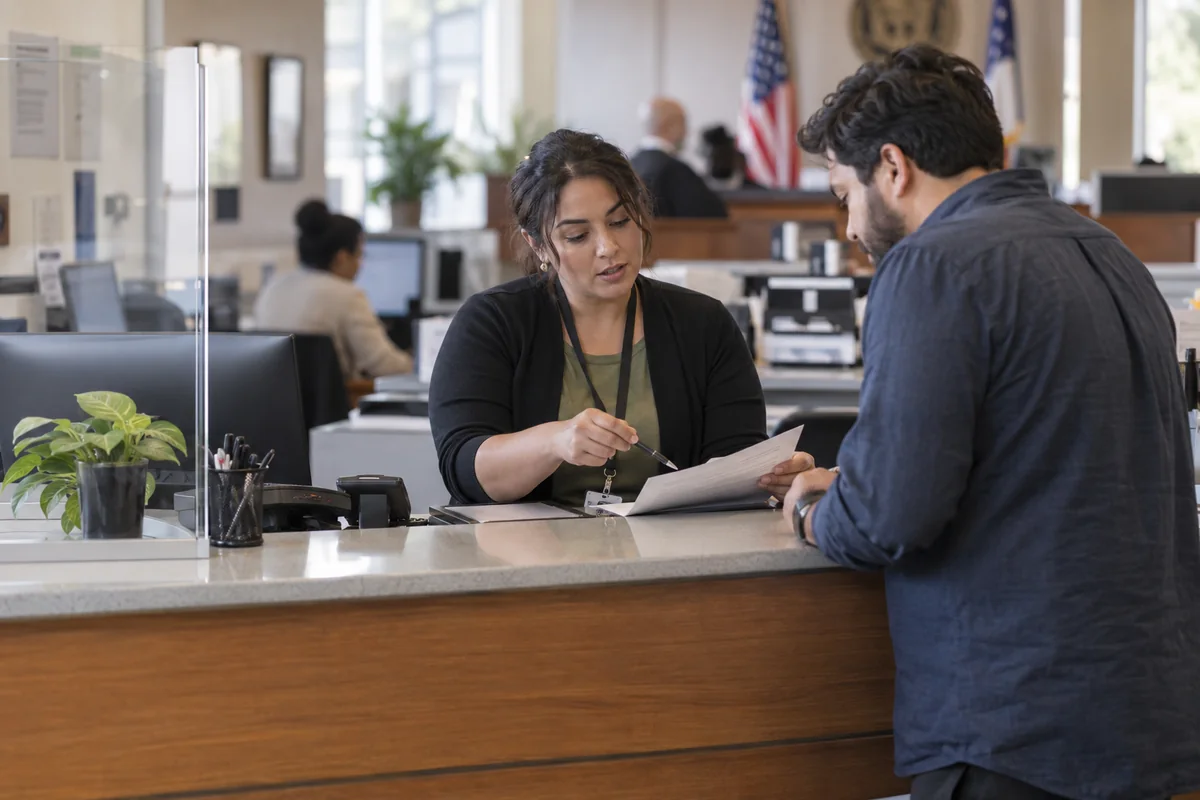
Check that nothing is missing, log it in the court's case system, and send errors back for fixing.

Pull up the case file and tell the caller the hearing date, how to file, or the fee.
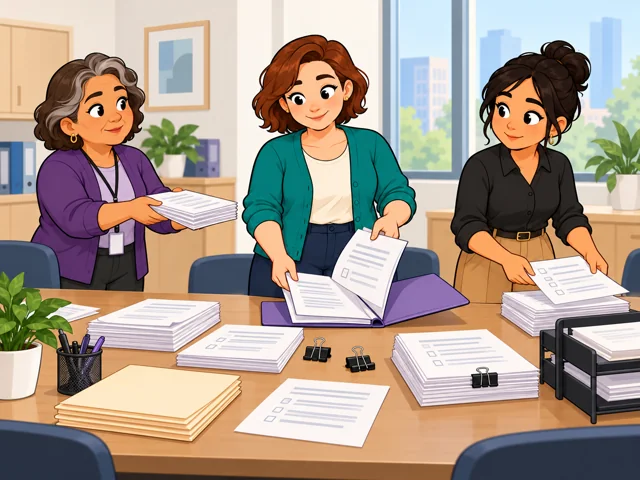
Gather meeting materials and prepare notices that tell the public before the meeting what the council will discuss.
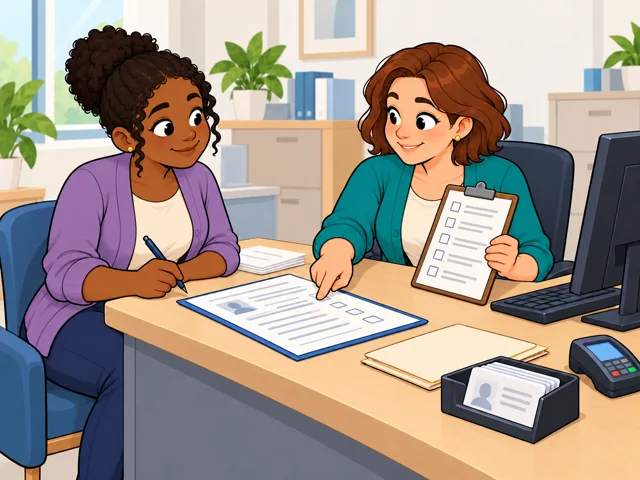
Ask about anything left out, and issue the license and collect fees once every requirement is met.
United States · 2025
United States · May 2025
United States · 2025–2035
Quick orientation
A high school diploma or equivalent is typical, followed by long-term on-the-job training. Individual employers may require experience.
National median, equivalent to $23.41 an hour, for court, municipal, and license clerks combined.
About 17,100 openings per year are projected across the occupation, including replacement openings.
In the federal Eleventh Circuit, software scans legal briefs before filing and flags possible rule violations.
After filing, a deputy clerk reviews the brief before deciding whether to send a deficiency notice; the software can flag a problem that is not actually there.
How much document checking software will take over remains unsettled. The balance may shift between routine checks and resolving exceptions.
Pay in context
The national median is $48,700 a year, or $23.41 an hour. These figures combine court, municipal, and license clerks.
The lowest-paid 10% earned $36,300 or less; the highest-paid 10% earned $73,820 or more. Those are wage percentiles, not starting and senior salaries.
Average annual wages were $48,550 in local government and $50,190 in state government, excluding schools and hospitals. These older averages do not show which of the three clerk specialties pays more.
Employment is projected to grow 3.4%, with about 17,100 openings each year. Openings include replacing workers who leave the occupation, not just newly created positions.
A high school diploma or equivalent is the typical starting point. Read the experience requirements carefully: an entry title can still require previous office work.
After entry
This starts where the entry routes leave off: early work, growing capability, and advancement or specialization.
Learn the filing system and practice accurate record entries, fee handling, and public responses.
Build skill with hearing calendars, courtroom minutes, or documents that need closer review.
A next step can be Court Clerk II, handling harder cases and helping train newer clerks. Titles and promotion requirements vary by employer.
Your work follows case files and court procedures. Expect a mix of records processing, fee handling, and questions from people using the court.
You work with council materials, official records, and requests from residents and city staff. Public meeting schedules can shape your week.
The work centers on applicants and eligibility documents. You explain requirements and check information before processing licenses and fees.
Try it
Find a blank local license application and its instructions. Make a checklist of required information, then explain to a friend what would make an application incomplete. Notice whether you enjoy both checking details and explaining them.
Stay safe: Use a blank form; do not submit an application or enter anyone's personal information.