
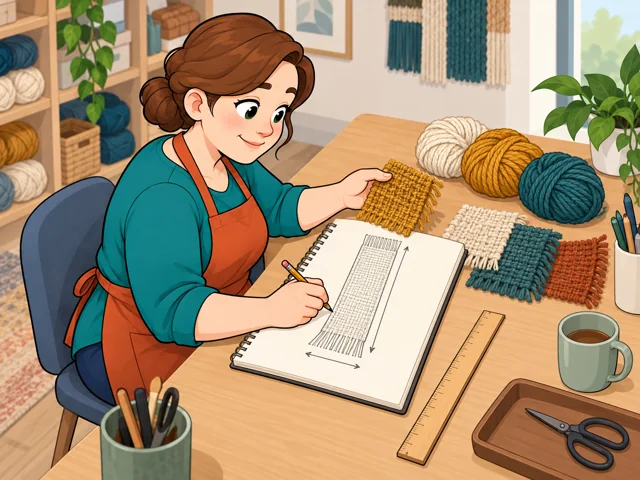
Sketch the piece, then pick materials
Draw the next piece with its shape and measurements, then choose materials by texture, strength and color.
Career profile
Craft artists turn their own designs into objects people wear, use or display.
Who decides how a woven textile or ceramic vessel should look, and how it gets made? On each project, craft artists work out both.

Draw the next piece with its shape and measurements, then choose materials by texture, strength and color.
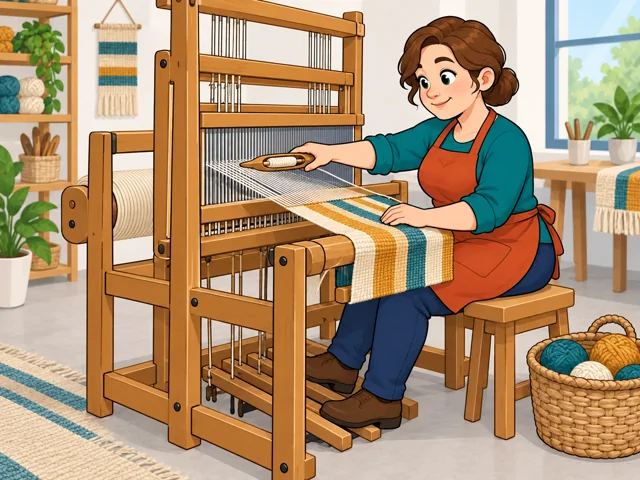
On fiber projects, you run a loom that turns yarn into the fabric for each piece.

Resize a trial version or change its material if it seems too heavy, before making the final piece.

Photograph the finished piece, set its price and reply when a possible buyer asks about it.
United States · 2025–2035
United States · May 2025
United States · 2025–2035
Quick orientation
Building skill takes sustained practice.
National employee median for craft artists; $22.15/hour.
About 1,000 openings annually, including replacements.
Pattern and design software can help you plan a piece.
You still choose materials and judge the finished object.
How much buyers will favor handmade work over cheaper machine-made alternatives remains uncertain.
Pay in context
Employee wages offer a benchmark. They exclude self-employed artists, whose sales are not the same as take-home income.
In May 2025, craft artists had a median wage of $46,080 a year, or $22.15 an hour. The 10th and 90th percentiles were $25,960 and $71,990 annually. These mark the wage distribution, not beginner and experienced pay rates.
Your income depends on what sells, your prices and your costs. Materials, selling expenses and time spent marketing all matter when deciding whether a price makes the work worthwhile.
Employment is projected to grow 2% from 2025 to 2035. About 1,000 openings per year are projected on average, including workers replacing people who leave the occupation.
Choose a material and build work you can show.
After entry
This starts where the entry routes leave off: early work, growing capability, and advancement or specialization.
Build a portfolio that shows consistent skill and a recognizable style.
Improve product photographs, pricing and sales displays so buyers can understand your work and its value.
Develop a distinctive body of work and repeat clients.
Work in a home or rented studio, setting your schedule around making and delivery deadlines.
Some residencies combine your own artmaking with helping run a teaching studio. You work around specialist facilities such as weaving rooms or kiln areas.
Your booth becomes a temporary workplace: arrange the display, talk with visitors and sell directly. The day centers on people rather than making.
Try it
Weave a small coaster from strips of scrap paper. Choose a color pattern, make it, then change one detail in a second version. Notice whether you enjoy both designing the object and patiently improving the handwork.