
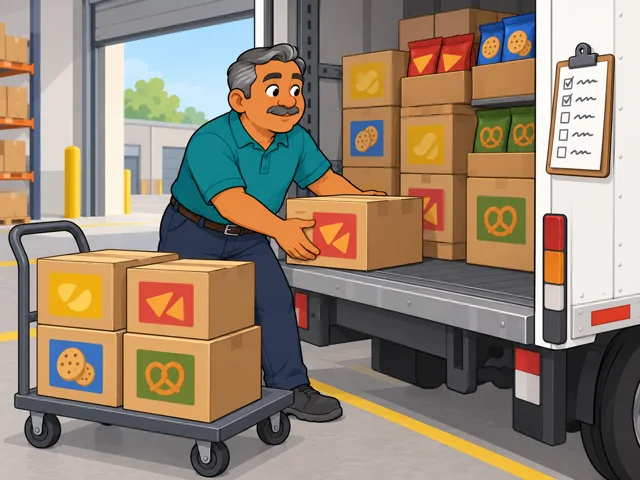
Load the truck for today's stops
Check the customer list, then load the truck with what each stop on today's route needs.
Career profile
Driver/sales workers drive a set route, deliver goods, and work to keep customers ordering.
A stop can mean unloading snacks, stocking a display and discussing the next order with the manager. You learn both the streets and the people.
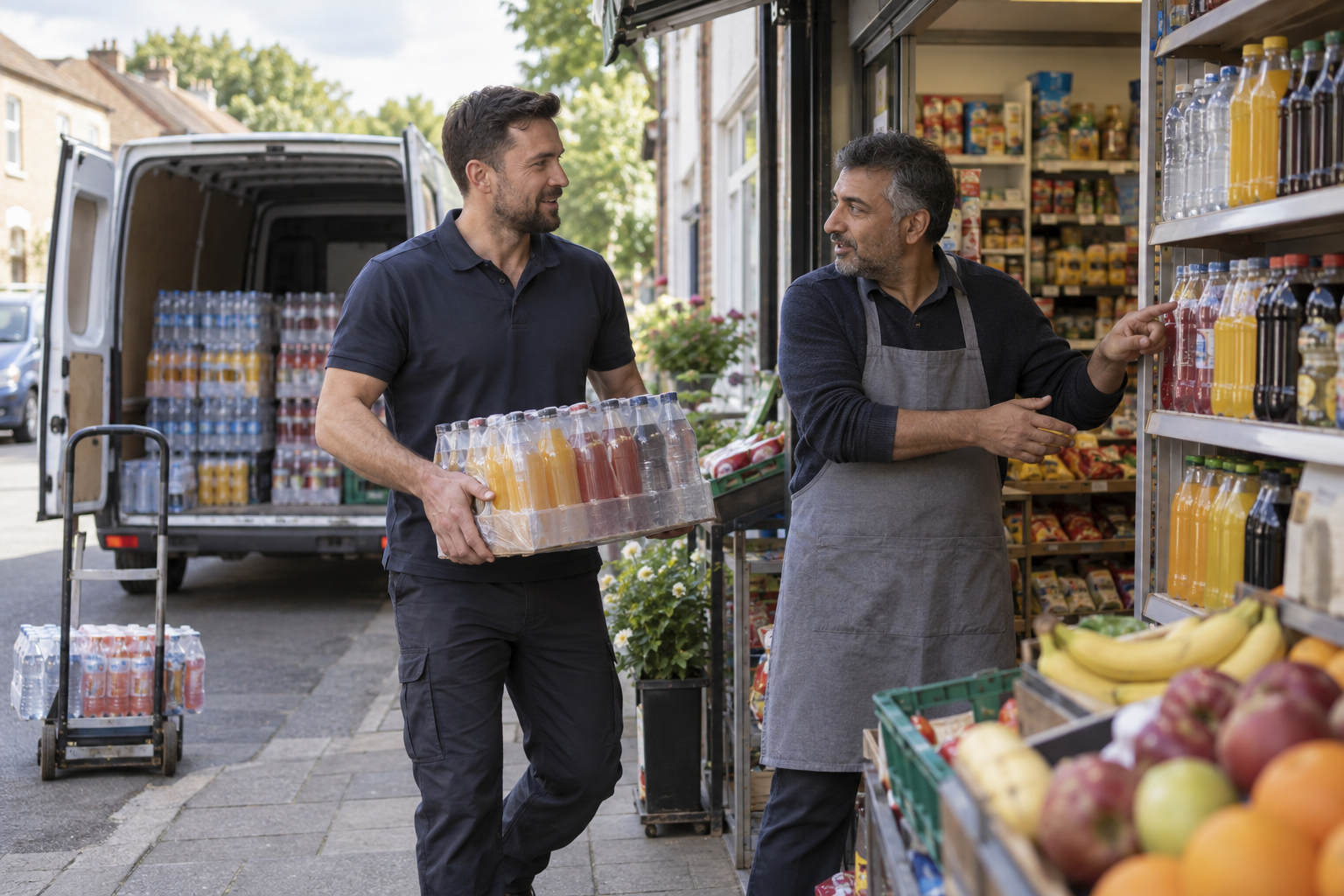
Check the customer list, then load the truck with what each stop on today's route needs.
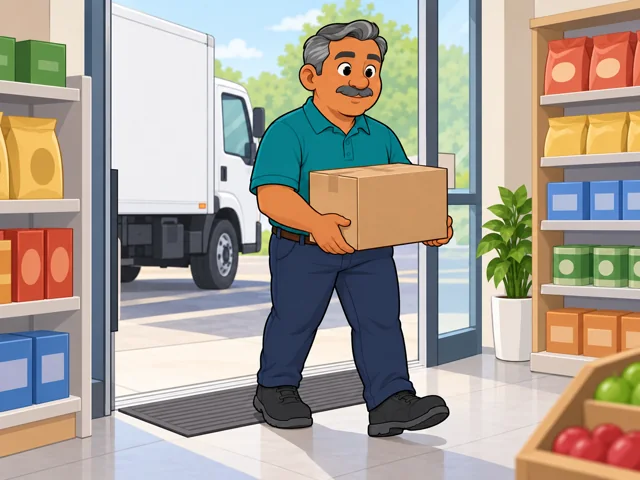
Drive to the next customer, park, and carry the order inside, switching between driving and lifting all day.
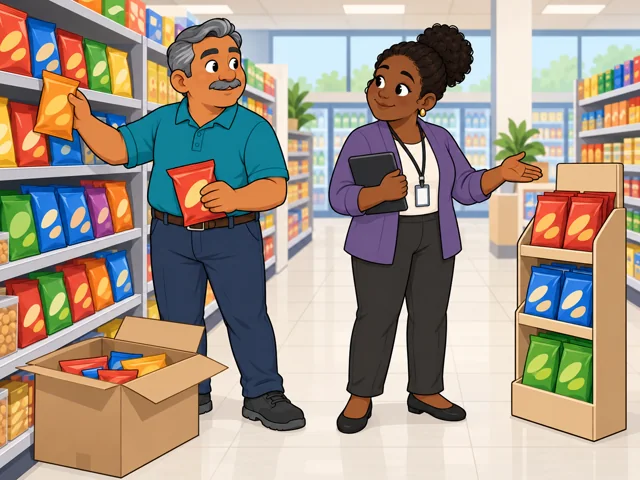
Where your route sells snack foods, fill the shelves and suggest an extra promotional display to the manager.
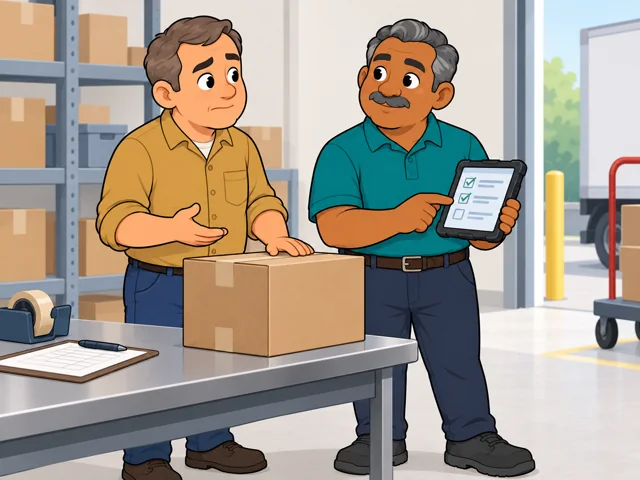
If a customer complains about service, ask what went wrong and plan your response before the next visit.
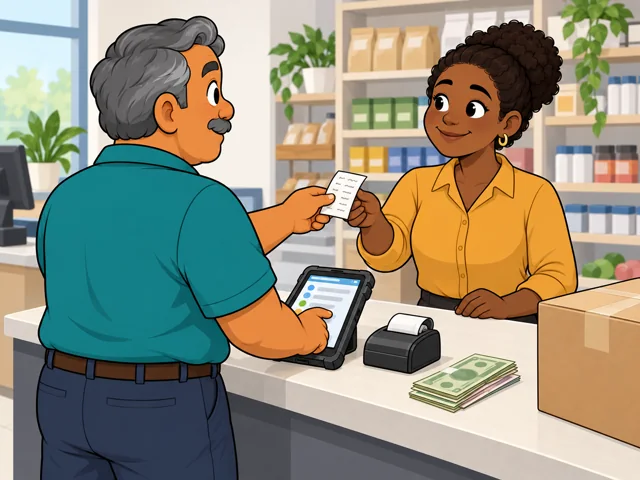
Enter each delivery or sale in the daily record, and give a receipt whenever a customer pays you.
United States · 2025–2035 entry classifications
United States · May 2025
United States · 2025–2035
Quick orientation
Typical entry preparation is a high school diploma or equivalent, followed by short-term training on the job.
Median for driver/sales workers, about $18.64/hour; includes food-delivery jobs as well as route sales.
Driver/sales workers overall: about 45,500 openings annually, including replacements. These are not route-sales-only estimates.
Software can help plan stops and track inventory and sales.
You handle the products and talk through customer concerns.
How much software will choose routes and orders, and how much drivers will adjust them, remains unsettled.
Pay in context
Compare the guaranteed pay with the sales incentives and expected hours.
Driver/sales workers had a $38,770 annual median, or $18.64/hour. The lowest 10% earned below $22,590; the highest 10% exceeded $59,980. Those are wage percentiles, not beginner and experienced rates.
Annual medians were $49,090 in wholesale, $45,690 in transportation and warehousing, $36,640 in retail, and $30,580 in food services and drinking places.
Some routes combine base salary with commission or performance bonuses. National wage figures include commissions but exclude overtime premiums and employer benefits.
Driver/sales employment is projected to grow 7.9% from 2025 to 2035, with 45,500 openings per year on average. This covers the whole occupation, not just regular sales routes.
You need a driver's license and a clean driving record. Check the employer's vehicle and hiring requirements before applying.
After entry
This starts where the entry routes leave off: early work, growing capability, and advancement or specialization.
Learn customers' routines while covering routes. Build consistency before settling into a regular route.
Learn to suggest useful additional products and keep customers returning. On service routes, develop skill in renewing agreements.
A possible next step is district sales leadership: supporting multiple route representatives and taking responsibility for district results. This requires separate selection and leadership development.
Your stops may range from gas stations to large grocery stores. Shelf displays and conversations with store managers are part of the visit.
Bring clean uniforms and supplies in, then carry soiled items out. Some routes use weekday schedules with no nights or weekends.
Try it
Try a paper store visit: a shelf holds 24 snack bags, 7 remain, and 18 sold since the last delivery. Plan a refill, then explain what you would ask the manager before suggesting a larger display. Notice whether you enjoy combining stock counts with a sales conversation.