
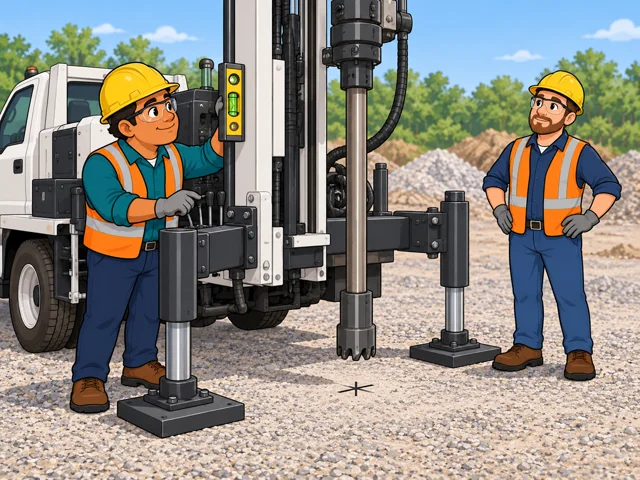
Set up over the drilling spot
You move the rig into place, level it and line up the drill before any drilling starts.
Career profile
Earth drillers run rigs to tap groundwater, sample rock, or bore construction and mining holes.
You cannot see the ground below a rig, yet you set a powerful machine to match it. Oil and gas wells fall outside this job.
You move the rig into place, level it and line up the drill before any drilling starts.
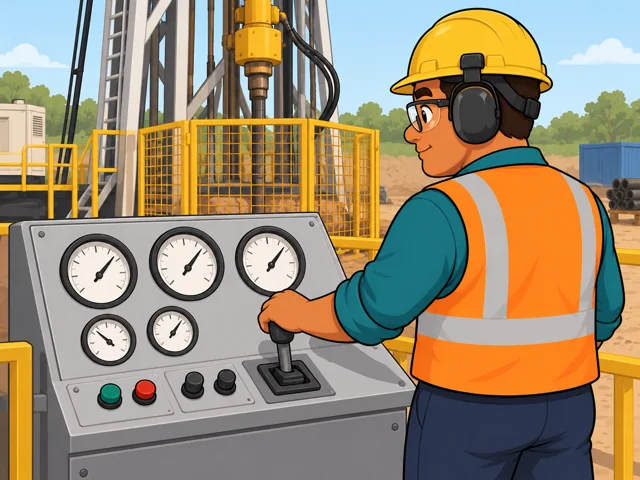
Watch the gauges and listen to the rig, since shifting ground may mean changing pressure or drilling speed.
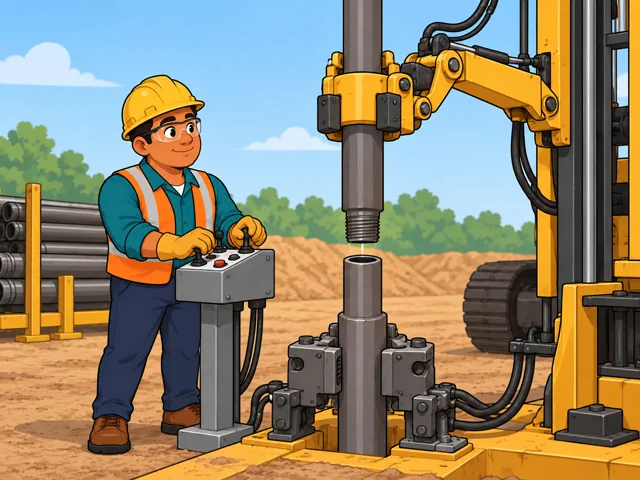
As the hole deepens, add more drill rods and change the bit when it needs replacing.
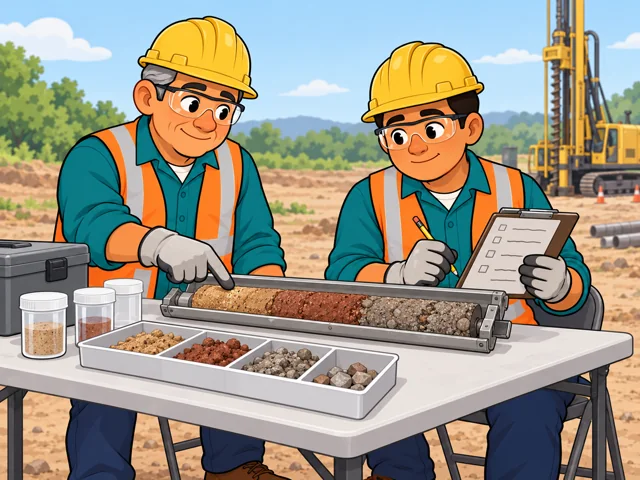
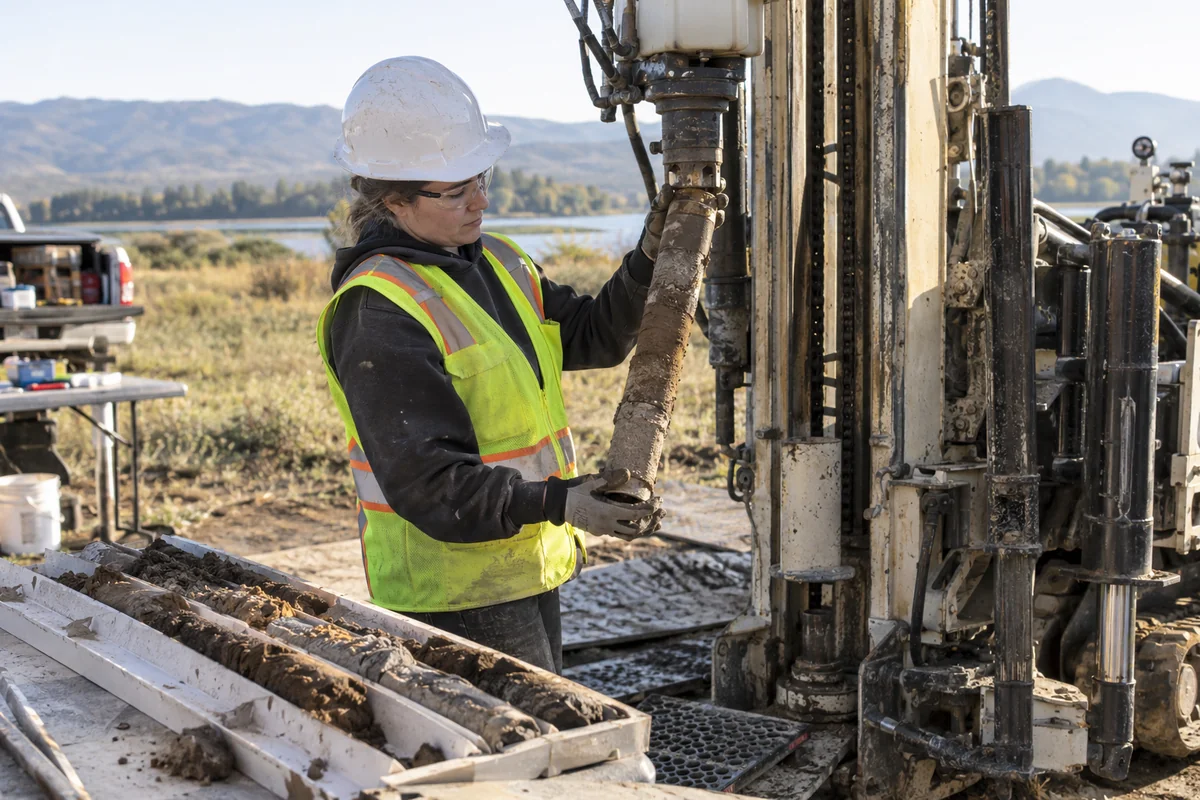
On soil-testing jobs, raise and collect rock and soil samples, then write field data in the drilling log.
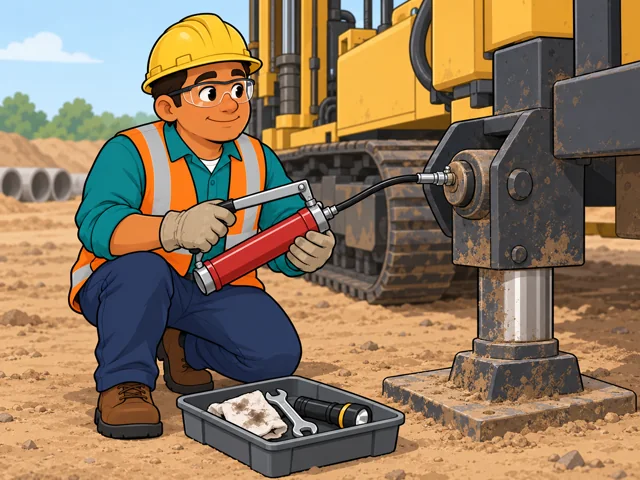
You inspect the drilling equipment, handle routine maintenance and fix simple problems.
United States · 2025
United States · 2025
United States · 2025–2035
Quick orientation
Typical preparation includes related work experience and long-term training on the job. Helper positions can be an earlier starting point.
National median for earth drillers outside oil and gas in 2025; equivalent to $28.94 an hour.
About 1,400 openings per year nationally, averaged over 2025–2035, including replacement openings.
Some surface rock-drilling rigs can position the drill, add rods, and complete a hole automatically. Those capabilities belong to particular machines, not every drilling job.
You still inspect equipment, check the work area, and respond when the crew spots a problem.
How much of your day shifts from handling controls to monitoring automated drilling will depend on the rig and the kind of site.
Pay in context
The national median was $60,190 a year, or $28.94 an hour, in 2025. That describes employed earth drillers across specialties, not a guaranteed starting offer.
The lowest-paid 10% earned $44,460 or less annually; the highest-paid 10% earned $83,800 or more. These are positions in the wage distribution, not beginner and senior pay grades.
Employment is projected to grow 3.6% from 2025 to 2035. The roughly 1,400 annual openings also include replacing people who leave the occupation; they are not a count of jobs currently advertised.
In May 2023, earth drillers outside oil and gas averaged $26.26 an hour in architectural, engineering, and related services, compared with $28.59 in utility system construction. These national industry averages describe that period, not current offers or starting rates.
Look for helper or apprentice roles that teach you the equipment. For water-well work, check your state's licensing rules; voluntary industry certification does not replace a required state license.
After entry
This starts where the entry routes leave off: early work, growing capability, and advancement or specialization.
Become dependable at equipment checks, loading tools, and completing field forms.
Learn to match bits and drill settings to changing ground.
Crew Lead or Team Leader can be a next step once you can help others do reliable field work.
You work with a small field team collecting subsurface information and sometimes installing monitoring equipment. Regional assignments can take you to road, bridge, and building projects.
At domestic well sites, the work continues beyond making a hole: the crew constructs the well. Some jobs include welding steel casing, so careful assembly matters alongside drilling.
Try it
Make a paper drill log with columns for depth, material, and observations. Invent a sequence of sand, clay, and rock layers, then have someone leave one sample's depth blank. Explain what information you would need before entering it. Notice whether careful tracking interests you as much as operating machinery.
Stay safe: Keep this a paper exercise; operating a drilling rig requires workplace training.