
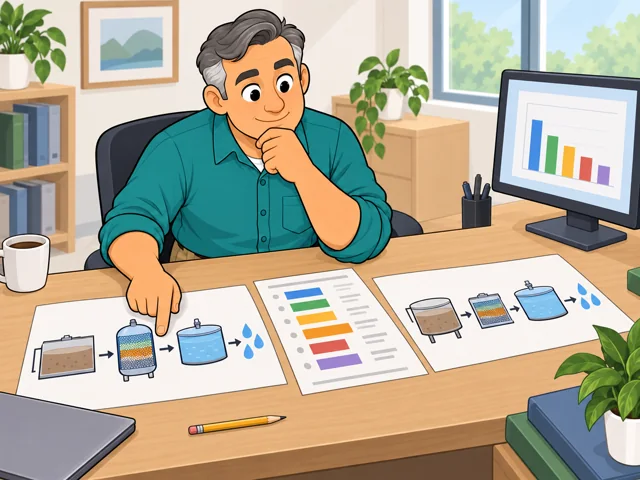
Match treatment to test results
Weigh treatment methods against the water test results to work out which design handles the contaminants they show.
Career profile
Environmental engineers design pollution controls for land, air and water and help clean up contamination.
Measurements drive the work. They tell you which treatment method to pick, what a design needs changed and, afterward, whether the fix worked.
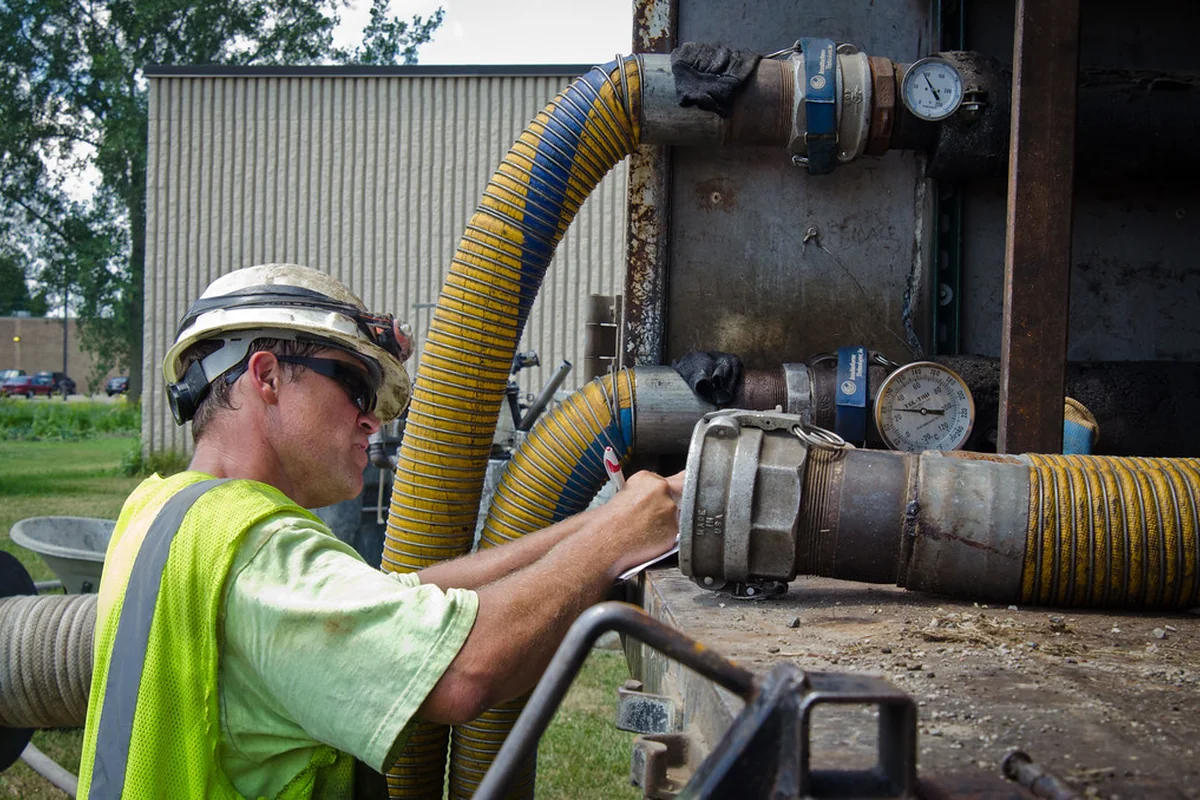
Weigh treatment methods against the water test results to work out which design handles the contaminants they show.
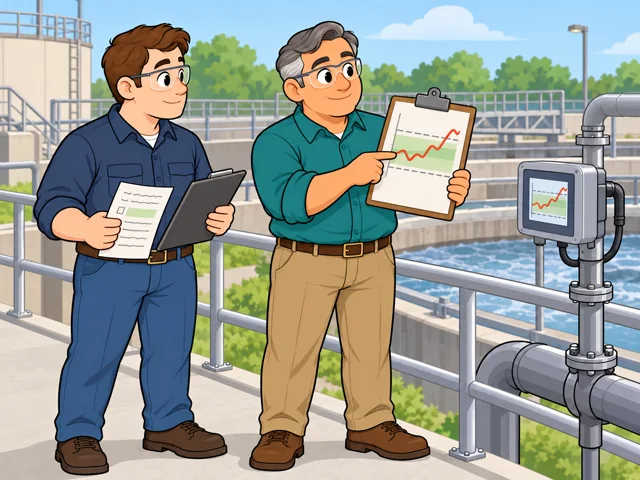
You inspect a facility's pollution-control equipment and monitoring logs to find where it falls short of its permit.

For stormwater projects, model runoff and pollutants through the drains to weigh storage against infiltration before building.
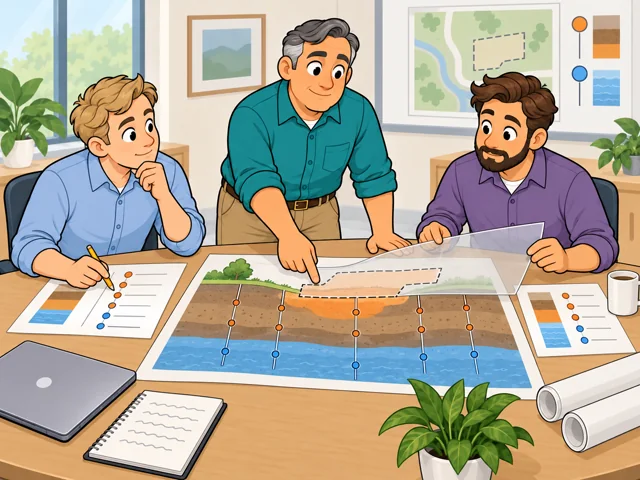
Compare polluted-site results with scientists and fellow engineers, then explain why the proposed fix suits the contamination.
United States · 2025–2035
United States · May 2025
United States · 2025–2035
Quick orientation
An engineering degree is the usual starting point.
National median; equivalent to $51.50 an hour.
About 2,300 openings a year nationally, averaged over 2025–2035.
In stormwater work, software can simulate runoff and pollution, helping you compare drainage designs without building each option.
You decide which site conditions the model must represent and whether its results support the proposed design.
How much of that comparison software will eventually handle is unsettled, especially when site information is incomplete or conditions change.
Pay in context
The national median describes the whole occupation, not a first-job offer.
The lowest-paid 10% earned below $69,990; the highest-paid 10% earned above $162,220. These are wage percentiles, not career stages.
Annual medians were $124,760 in federal government, $109,040 in engineering services, and $102,160 in state government. Government figures exclude postal work or education and hospitals, respectively.
The projected 2,300 annual openings include replacement needs as well as growth. They are a national forecast, not a count of jobs currently advertised near you.
Entry-level jobs typically require an engineering bachelor’s degree, but not an engineering license.
After entry
This starts where the entry routes leave off: early work, growing capability, and advancement or specialization. This path also has a credential or licensing boundary; see the requirements and limits.
Learn the project’s records and check your calculations with an experienced engineer.
Take on harder treatment comparisons and explain the recommendation to a client.
Become a technical specialist or lead engineering projects.
Work with engineering colleagues on projects for cities, businesses, and agencies. Your recommendations must answer an outside client’s problem.
Compliance roles emphasize reviewing project impacts and enforcing pollution requirements.
Try it
Sketch a parking lot that drains toward a stream. Compare adding water storage with replacing some pavement with planted ground. List the measurements you would need before choosing, such as rainfall and how quickly the soil absorbs water. Notice whether you enjoy turning an environmental concern into a design decision.
Stay safe: Keep this a paper exercise; do not enter drains or alter drainage.