
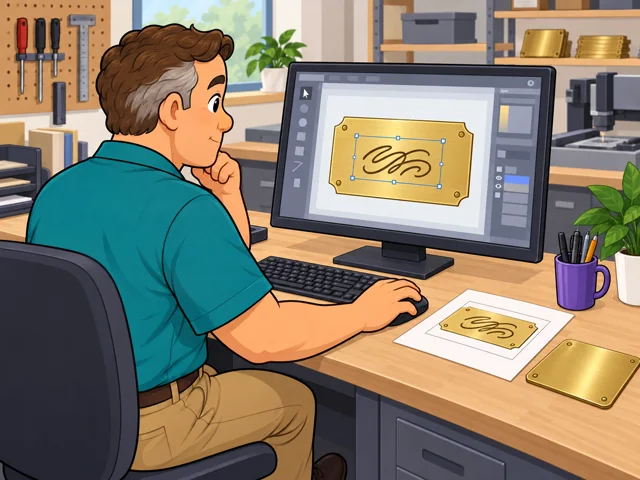
Lay out a plaque on screen
Fit the letters to the plaque in design software, then make a proof for sign-off before engraving starts.
Career profile
Etchers and engravers cut or etch words and designs into metal, glass and other materials.
A name on a gift starts with choices about letter size, spacing and placement, and you turn that plan into a visible, touchable mark.
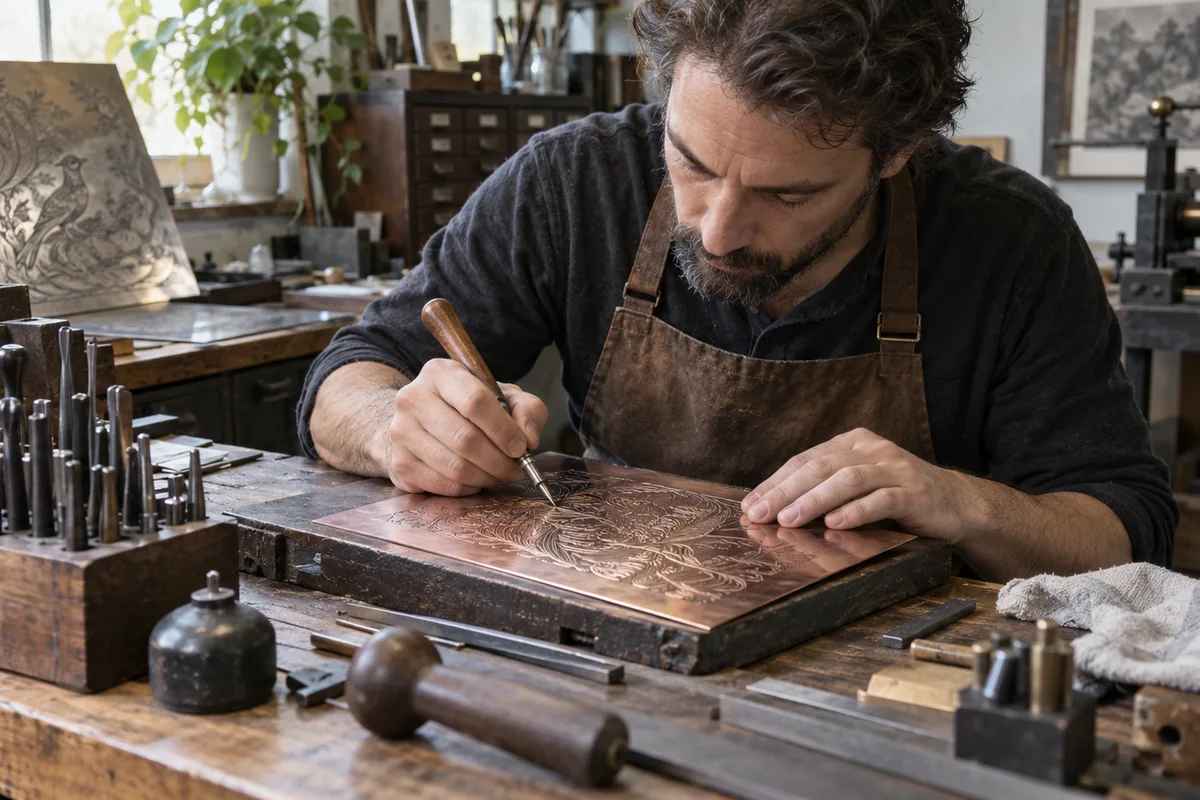
Fit the letters to the plaque in design software, then make a proof for sign-off before engraving starts.
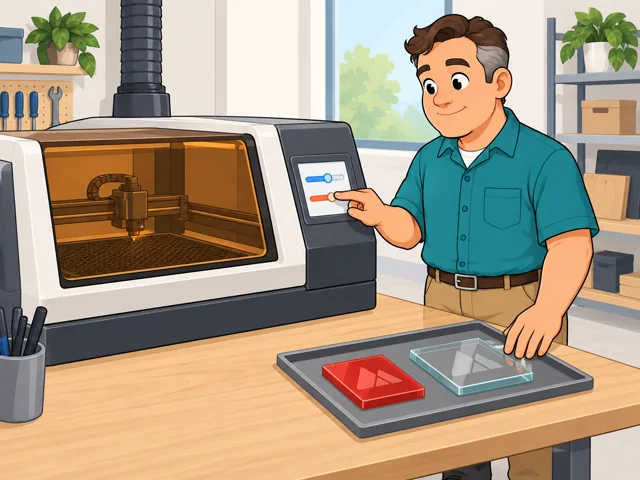
Choose speed and power to suit the material and the machine, because acrylic settings mark glass differently.
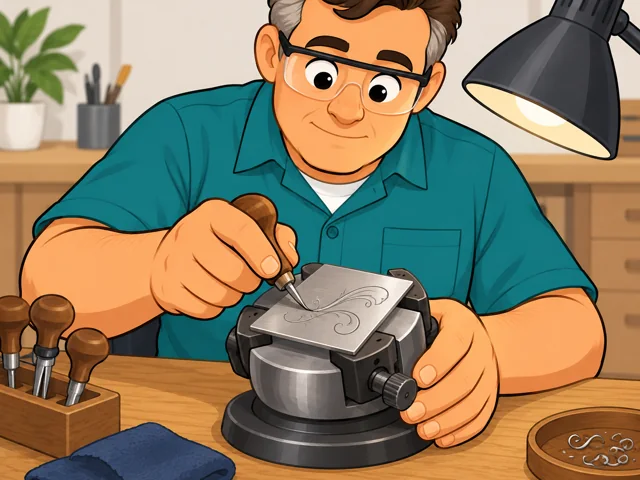
Hold the metal tight, copy the design onto it, then steer the small cutting tool along each line.
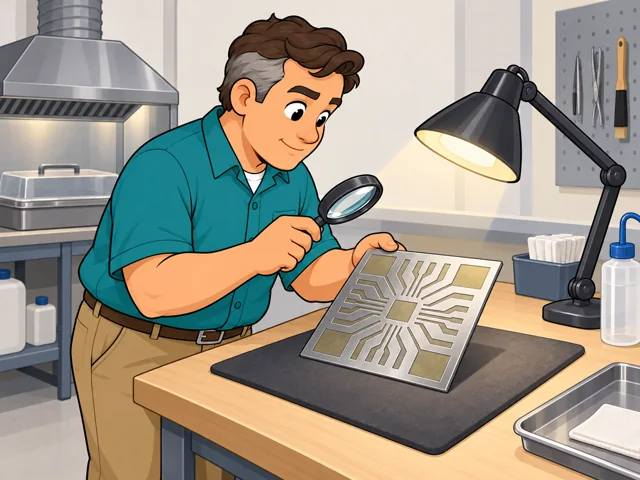
Cover some areas to shield them, apply chemicals, then check depth and evenness with a magnifier or gauge.
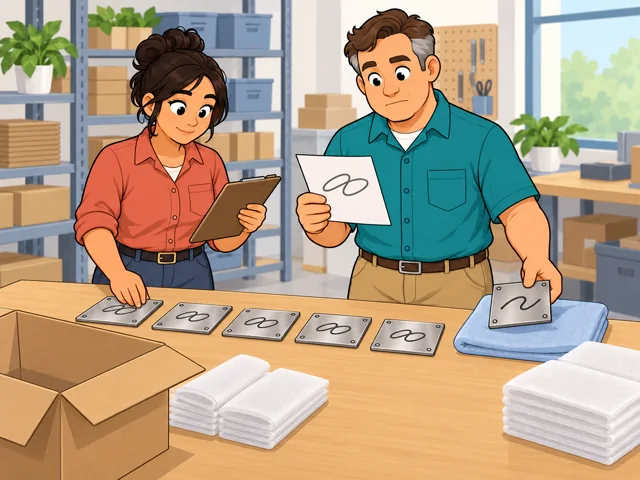
Match each piece to the order, look over its surface and count the items before anything gets packed.
United States
United States · May 2025
United States · 2025–2035
Quick orientation
Typical entry education; individual employers set their requirements.
National median for etchers and engravers, equivalent to $20.82 an hour.
Employment is projected to decline 0.7%, with about 800 openings a year.
Laser software can duplicate layouts, position artwork with a camera view and load saved material settings.
You still check the proof, judge the finished surface and adjust settings when a material responds differently.
How much setup becomes automatic remains uncertain, especially when jobs change materials or use unfamiliar objects.
Pay in context
The national median is $43,310 a year, or $20.82 an hour. That is a midpoint across employed etchers and engravers, not a promised starting wage.
The 10th-percentile wage is $32,210 a year ($15.49 an hour); the 90th-percentile wage is $63,360 ($30.46 an hour). These describe the wage distribution, not beginner and expert pay levels.
Employment is projected to fall 0.7% from 2025 to 2035. About 800 openings are projected annually, so nearly flat employment does not mean no hiring.
Workplace training and hands-on engraving study offer different starting points.
After entry
This starts where the entry routes leave off: early work, growing capability, and advancement or specialization.
Learn to carry an order from proof through inspection and packing without missing a detail.
Build confidence with different materials. Compare results and refine the settings instead of treating every object alike.
You could deepen hand engraving skills in shaded designs or metal inlay, then pursue advanced instruction as your control improves.
Work can span proofs, machine setup and packing finished orders. You may help across production tasks, and some shops require overtime.
Personalize metal pieces with initials or decorative lettering. Hand engraving puts more emphasis on individual cuts; machine methods repeat established lettering styles.
Try it
Draw a small nameplate on paper. Fit a name and date inside it, then trace the lettering onto a second copy. Compare spacing, alignment and consistency. Notice whether you enjoy checking tiny details as much as making the design.