
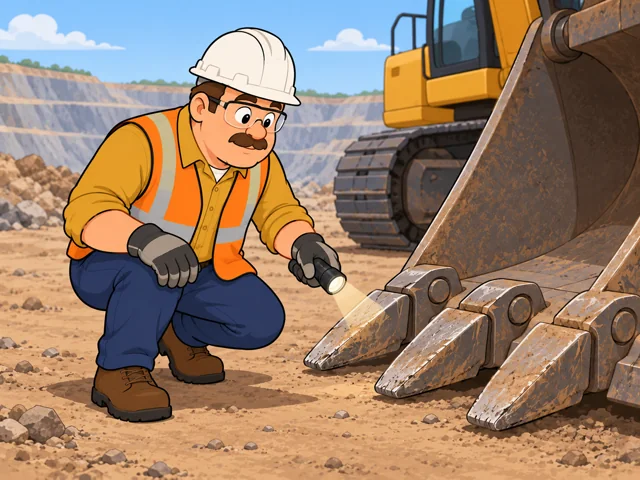
Inspect the machine for wear
You look the machine over before running it, hunting for worn or damaged parts that need attention.
Career profile
Surface mining machine operators dig and move material with excavators, loaders and draglines.
Emptying a bucket of rock calls for care. Your hands work the controls while your eyes track the loading area and coworkers close by.
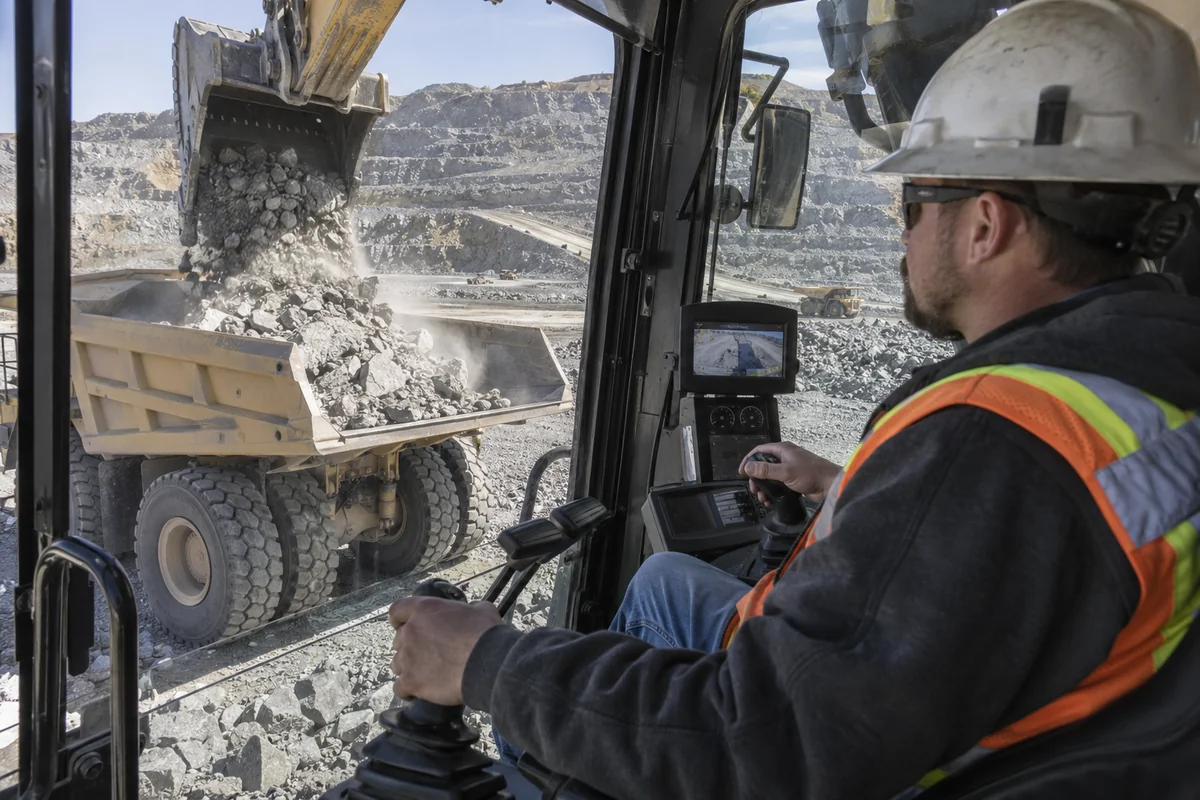
You look the machine over before running it, hunting for worn or damaged parts that need attention.
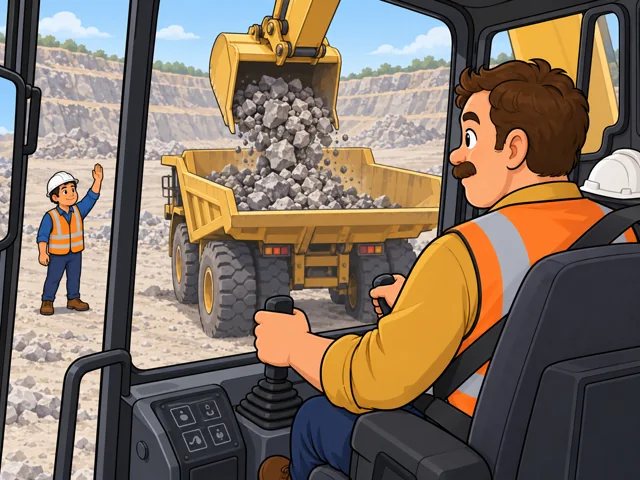
Fill a truck with rock, watching the loading spot and following hand signals as you work the bucket.
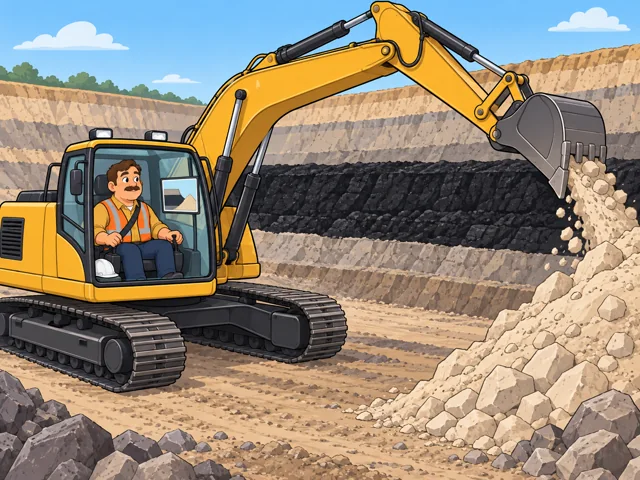
For certain coal mining roles, you follow a dig plan to recover coal and set waste aside.
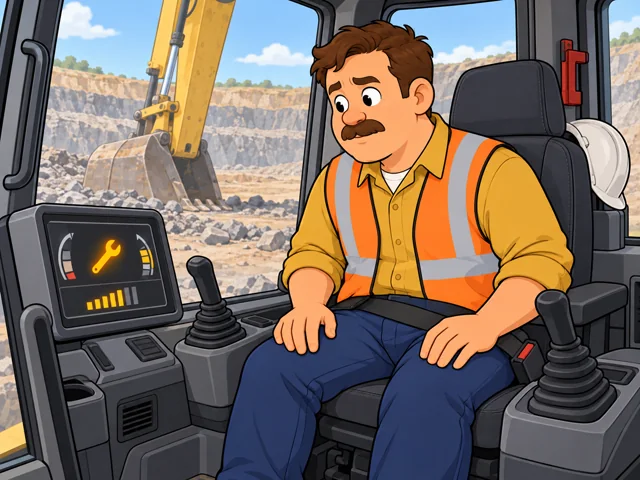
Keep glancing at the machine's panel for trouble or service signs so issues get handled mid-shift.
United States · 2025
United States · 2025
United States · 2025–2035
Quick orientation
A diploma or equivalent, related experience, and on-the-job training are typical. Hiring requirements vary.
National annual median in 2025; the hourly median was $27.61.
About 2,400 openings a year are projected nationally over 2025–2035.
Some hydraulic mining shovels combine camera views around the machine and automatically soften the movement of the digging arm near its limits.
You still plan the digging, watch changing conditions, and respond when the machine shows trouble.
More of the dig, swing, and dump cycle may become automated. How much control moves away from the cab will vary with equipment and mine operations.
Pay in context
Use the national figures as a reference when comparing offers, not as a starting-pay promise.
The 2025 median was $57,430 a year, or $27.61 an hour, for surface-mining excavating, loading-machine, and dragline operators.
The lowest-paid 10% earned $41,600 or less annually; the highest-paid 10% earned $82,400 or more. These are wage percentiles, not beginner and experienced-worker rates.
Employment is projected to grow 1% during 2025–2035, with about 2,400 openings a year nationwide. Openings include replacement needs as well as growth.
Check which Mine Safety and Health Administration (MSHA) training applies before choosing a course: stone, sand, and gravel mines generally use Part 46; surface coal and other mines fall under Part 48.
After entry
This starts where the entry routes leave off: early work, growing capability, and advancement or specialization.
Make inspections and controlled loading dependable habits.
In quarry work, broaden into feeding the processing plant and handling different sizes of stone without mixing up stockpiles.
Experienced production operators may take on training junior workers, explaining how they plan a dig and recognize equipment problems.
Your loader may serve customer trucks and feed crushing or screening equipment. Some jobs also include plant upkeep, so the shift reaches beyond the cab.
Digging focuses on recovering coal and putting waste in the right place. Large operations can require rotating shifts, including nights and holidays.
Try it
Watch a video of an excavator loading a mine haul truck. Sketch the bucket’s route through three loading cycles and note what the operator must watch besides the bucket. Does that mix of repetition and attention appeal to you?
Stay safe: Keep this an observation exercise; do not enter a mine or try operating equipment.