
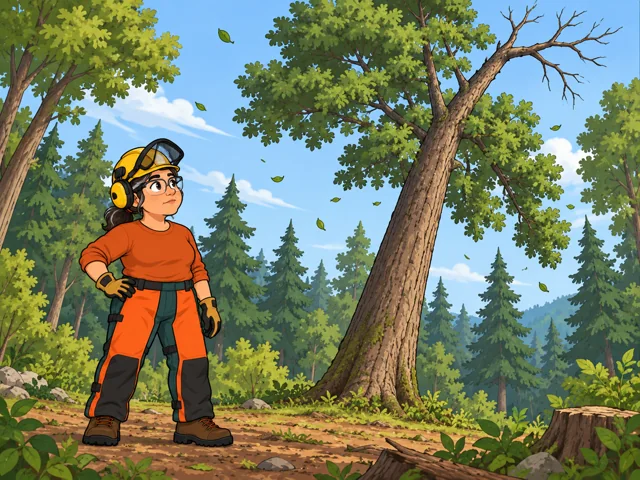
Size up the tree before cutting
Weigh the tree's lean, dead limbs, nearby trees and wind to decide whether and how to fell it.
Career profile
Fallers cut down trees with a chainsaw, following a plan they choose carefully.
Before any cut, fallers study the tree and its surroundings. Patient, watchful people who like hands-on labor may enjoy the thinking behind every cut.
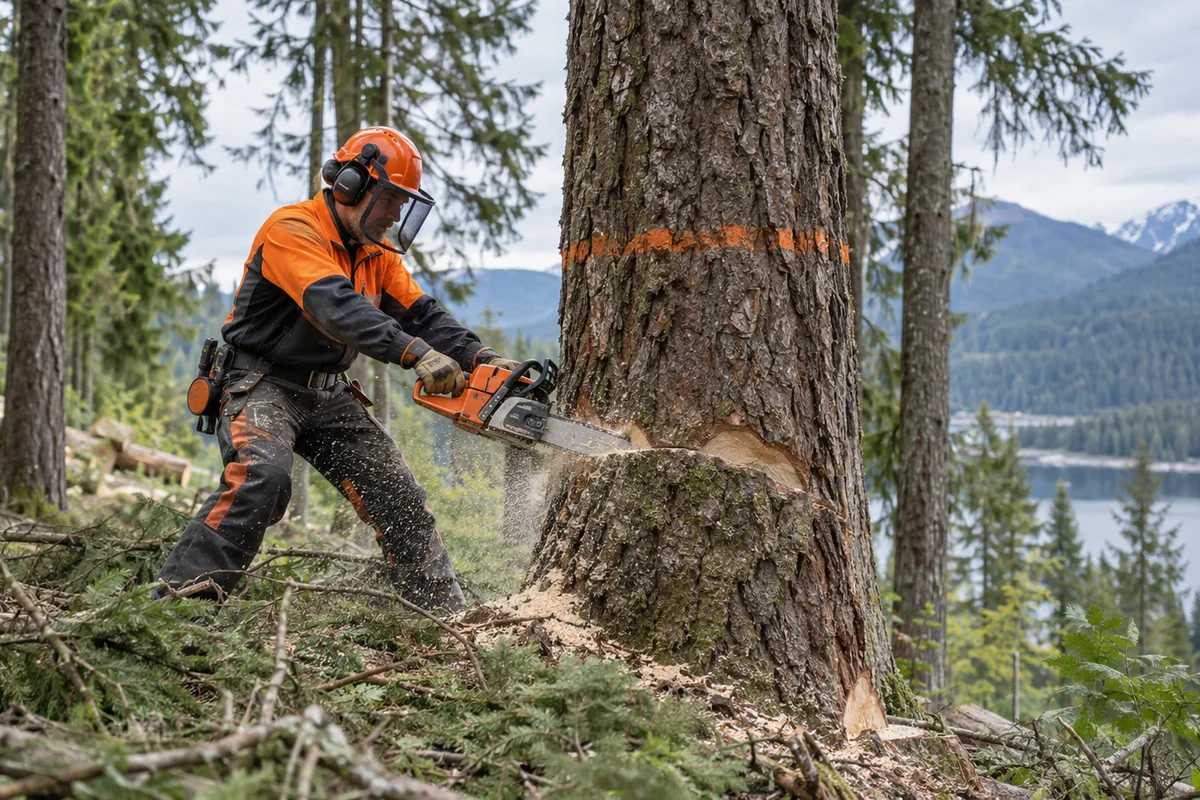
Weigh the tree's lean, dead limbs, nearby trees and wind to decide whether and how to fell it.
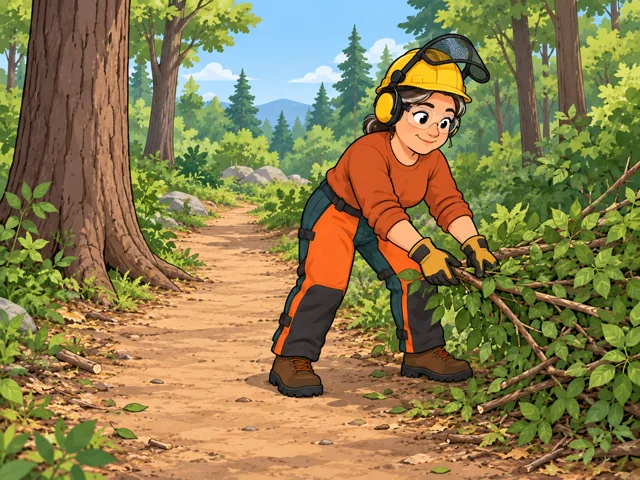
Clear brush from your work spot and escape route so it does not get in your way.
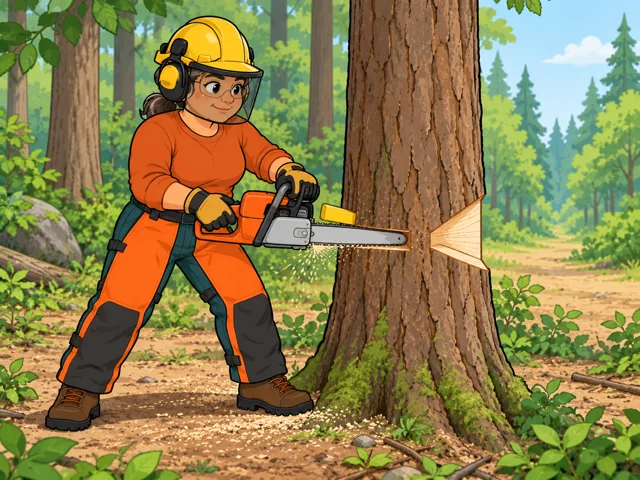
Use the chainsaw and wedges to bring the tree down in the direction you chose beforehand.
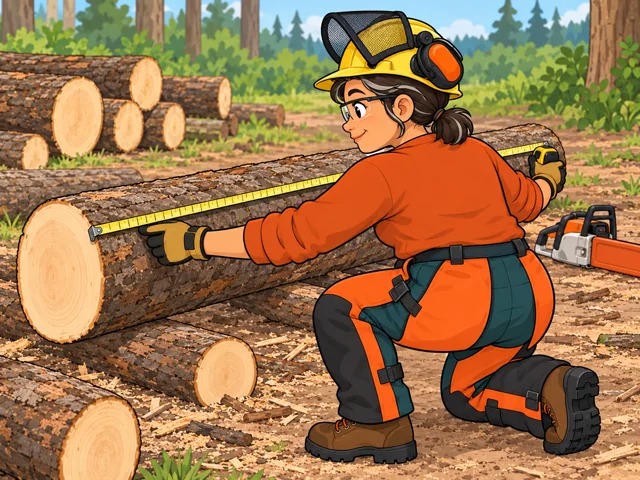
Some positions have you measure the downed trunk, saw it into set lengths and inspect the logs.
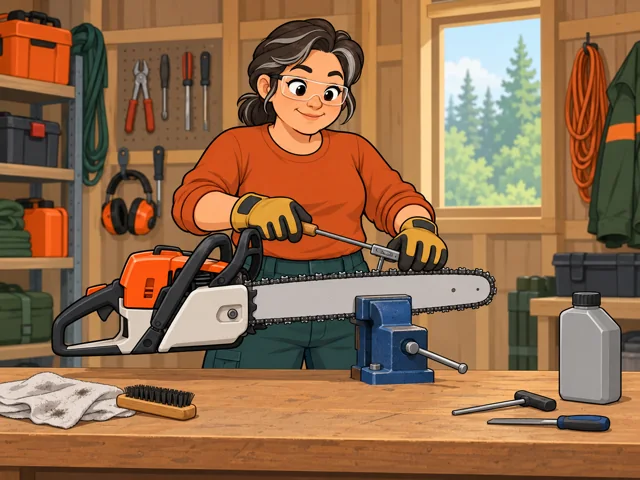
Clean and oil the chainsaw, sharpen the chain and fix it when needed so it keeps running.
United States · 2025–2035
United States · May 2025
United States · 2025–2035
Quick orientation
Typical entry preparation, followed by training on the job.
National median for fallers, equivalent to $25.05 an hour.
Faller employment is projected to shrink, with about 500 openings a year on average.
Large harvesting machines can cut trees, remove limbs, and cut logs to length, reducing some manual work across logging crews.
Manual fallers often work where large equipment cannot reach. You still assess the tree and surrounding hazards before cutting.
How much cutting shifts to machines will depend partly on the terrain they can handle. The balance between chainsaw work and equipment work may change from site to site.
Pay in context
Use the national faller figures as a comparison point when you look at an actual job offer.
The median was $52,100 a year, or $25.05 an hour. The 10th–90th percentile range was $35,180–$82,360 annually, or $16.91–$39.60 hourly. These are wage percentiles, not starting and senior pay levels.
Logging schedules can be seasonal or include extended shifts. Ask about expected hours and months of work alongside the pay rate.
Employment is projected to fall 9.9% from 2025 to 2035. About 500 openings a year are still projected on average; openings can occur as workers leave even while total employment declines.
A high school diploma or equivalent is typical preparation. You can learn through a logging employer or build relevant field skills in a training program first.
After entry
This starts where the entry routes leave off: early work, growing capability, and advancement or specialization.
Build consistent habits for checking each tree, keeping the work area clear, and maintaining your saw.
Get better at recognizing how lean, rot, and heavy limbs affect a felling decision. Compare what you noticed with what happened.
With additional equipment training, learn to operate a skidder—the machine that drags logs. Some crews rotate workers between felling and moving timber.
Here, cable systems pull felled timber toward a collection area. Your work fits around moving lines and loads, with clear signals between crew members before lines move.
Skidders drag logs out of the woods. On some crews, you rotate between chainsaw work on foot and operating a skidder, so equipment skills become a larger part of the day.
Try it
Compare two photographs of standing trees. Mark visible lean, uneven limb growth, and neighboring trees, then list what the photos cannot tell you. Notice whether you enjoy studying those details before making a decision.
Stay safe: Keep this exercise on paper. Do not cut a tree or enter an active logging site to try it.