
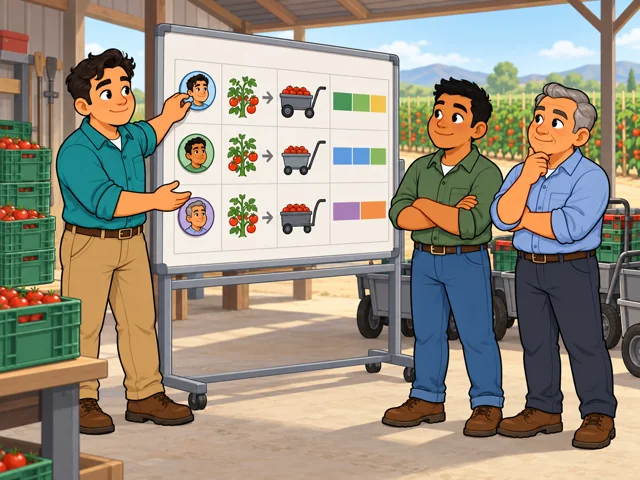
Match the crew to today's jobs
Pair each worker, along with whatever machinery you have on hand, with a task due today.
Career profile
Farming, fishing, and forestry supervisors lead crews on crop farms, fish farms, or logging sites.
You decide who does which job each day. Then weather, a broken-down machine, or the work itself can force you to reshuffle those assignments.
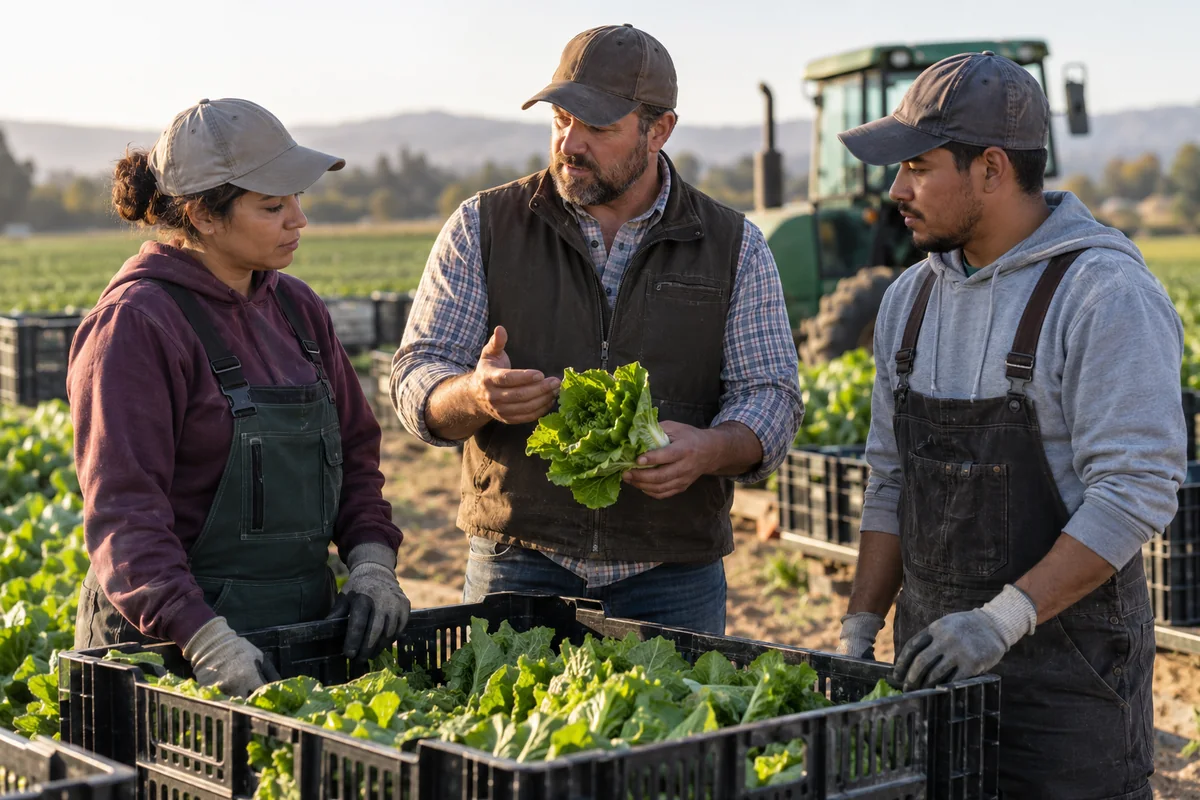
Pair each worker, along with whatever machinery you have on hand, with a task due today.
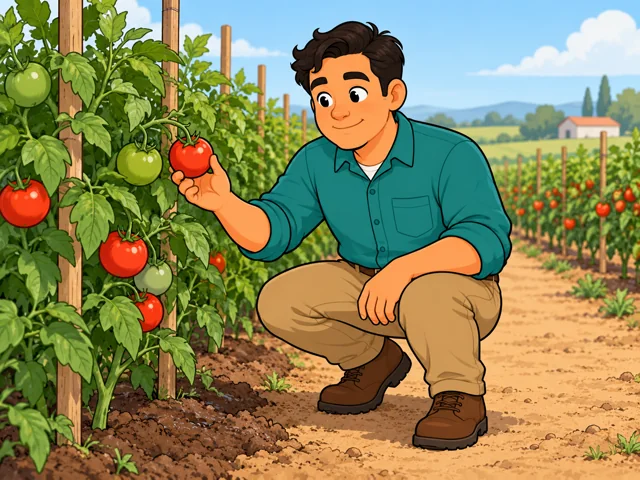
On farms, you size up ripeness and soil condition before sending anyone out or picking where harvest starts.
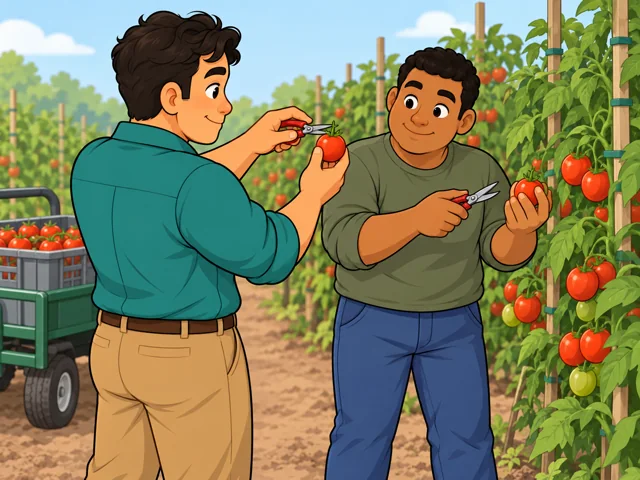
Demonstrate a harvest task, then watch a worker take a turn and fix any handling that isn't safe.
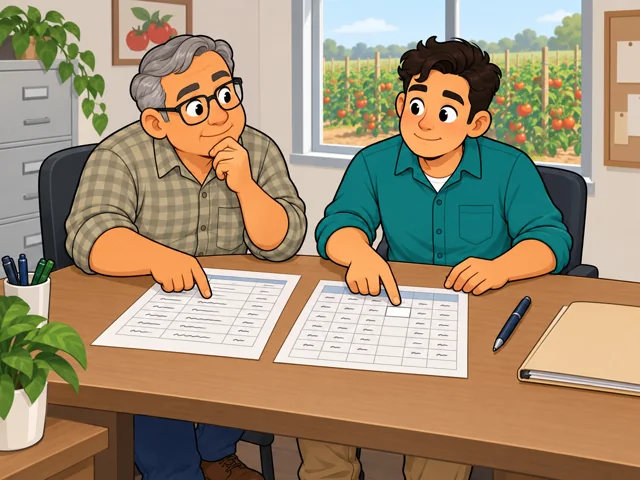
Review the hours log and resolve an entry missing its hours before you finish the pay paperwork.
United States
United States · 2025
United States · 2024–2034
Quick orientation
Learn the production work before leading it; education requirements vary.
National median in 2025; $28.52 per hour.
Projected nationally for 2024–2034.
Scheduling and payroll software help organize crew time. On farms, automated tractors and harvesting machines also change the work you coordinate.
You still explain tasks, assess conditions, and address unsafe work.
How much farm machinery takes over will shape whether you spend more time organizing manual crews or coordinating equipment and its operators.
Pay in context
Pay varies across workplaces. Compare both the wage and the months and hours you would work.
The 2025 median was $59,320 a year, or $28.52 an hour. This is not a starting-pay promise.
In May 2025, the 10th-percentile annual wage was $38,990 and the 90th-percentile wage was $91,770. These are wage percentiles, not starting and senior salaries.
In May 2023, supervisors in crop-production support averaged $57,040 a year ($27.42 an hour); logging supervisors averaged $72,160 ($34.69). These historical averages describe different industries, not current job offers.
About 8,500 openings per year are projected for 2024–2034, including replacement needs.
Build experience in the kind of operation you want to lead. A farm crew and a fish hatchery can have different entry requirements.
After entry
This starts where the entry routes leave off: early work, growing capability, and advancement or specialization.
Learn your crew's capabilities and build reliable daily schedules.
Build skill beyond daily assignments. In a hatchery, that can mean coordinating pump repairs and planning spending before equipment fails.
In agriculture, a later direction is farm or ranch management, taking responsibility for the whole operation rather than one crew.
Planting and harvest create busy seasons. Field conditions and crop readiness shape where you send the crew each day.
Sites may be isolated, with long trips from home. You coordinate workers, heavy equipment, and log movement as harvesting locations change.
Work centers on rearing ponds, fish health, and dependable water systems. Some supervisory jobs include standby coverage for problems outside regular hours.
Try it
On paper, plan a morning harvest for four workers: two experienced and two new. Assign picking, sorting, and moving filled containers. Then imagine one experienced worker is absent. Revise the plan and explain who teaches the newcomers. Notice whether coordinating people interests you as much as doing the task.