
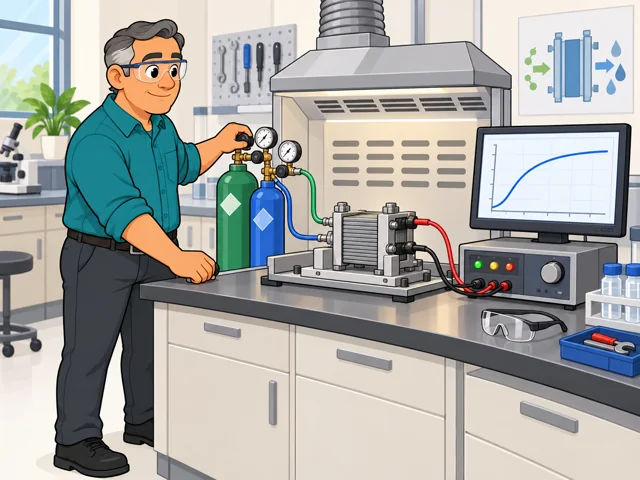
Prepare the test station
Get the test station and measuring gear ready first, then check how well a fuel cell performs.
Career profile
Fuel cell engineers design and test fuel cells, which make electricity from fuel through chemistry.
A fuel cell can make power yet wear out too soon. Part of your work is finding which changes could help it last longer.
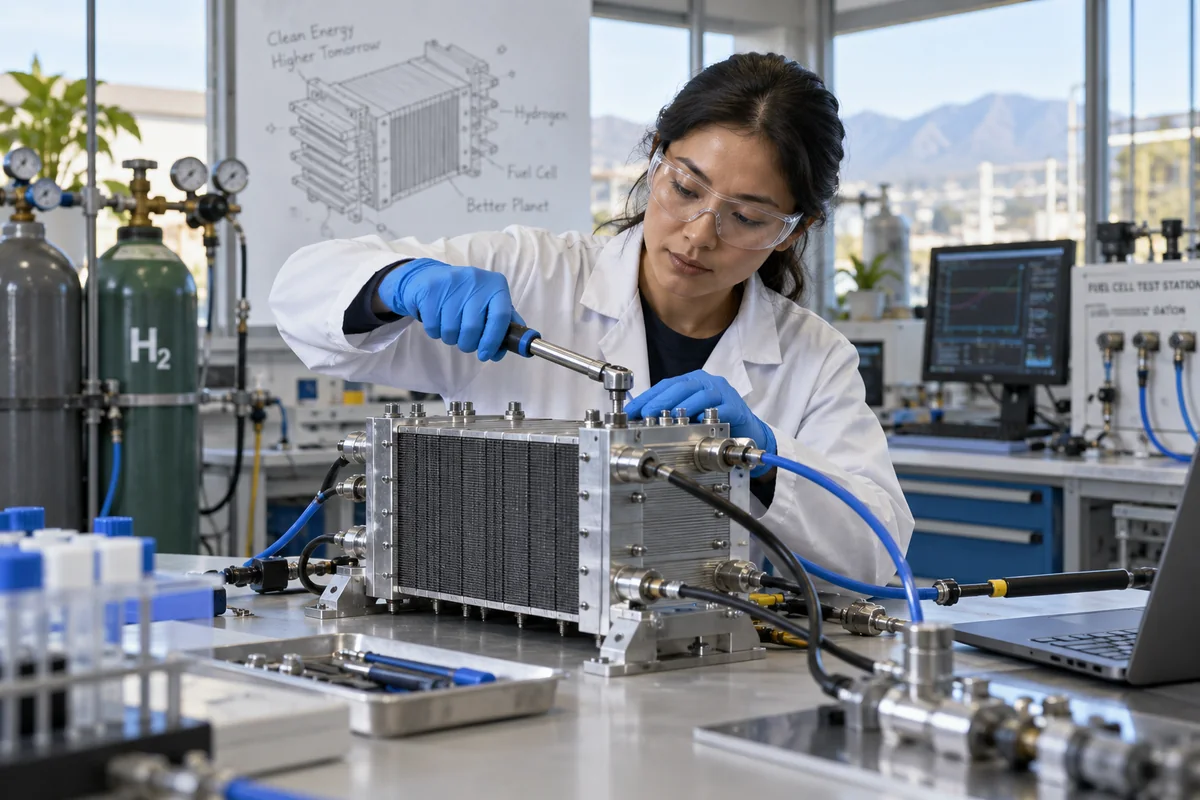
Get the test station and measuring gear ready first, then check how well a fuel cell performs.
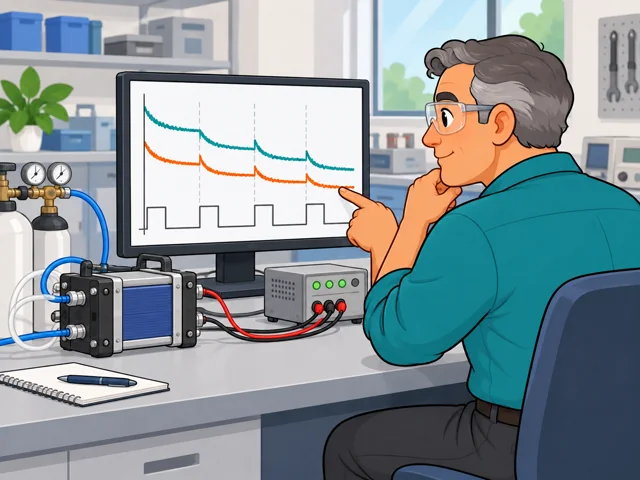
For portable power designs, compare output before and after many on-off cycles to catch hidden drops.

Weigh how well a part handles a running cell's heat against its cost and expected lifespan.
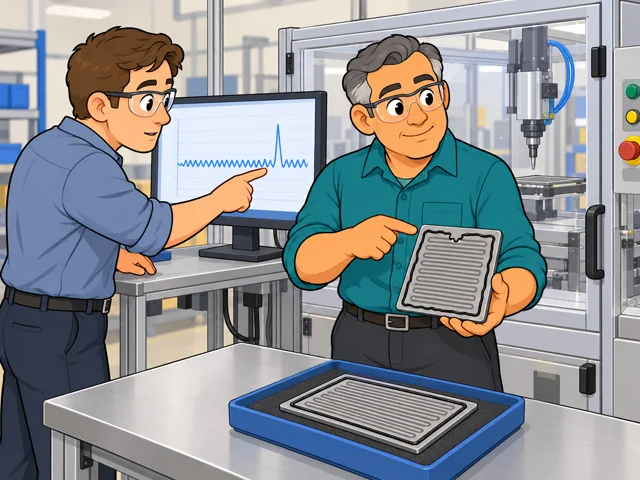
In factory jobs, match machine readings to rejected parts, pin down the cause, and help stop repeats.
United States
Pay depends on the particular engineering role and employer.
Explore openings by specialty, including stack testing, materials, and system design.
Quick orientation
Relevant engineering study is a common start; some roles require a master's degree.
Pay depends on the particular engineering role and employer.
Explore openings by specialty, including stack testing, materials, and system design.
In vehicle development, simulation software can build and compare fuel cell powertrain models before engineers commit to hardware.
You choose the test conditions and decide whether the evidence supports a design change.
How much physical testing models can replace will depend on how well they capture wear and changing operating conditions.
Pay in context
The range below is for an experienced fuel cell design role, not starting pay or a national average.
At Redwire Defense Tech in Ann Arbor, Michigan, the anticipated annual salary for a Senior Mechanical Engineer, Fuel Cells is $105,000–$135,000. The role develops solid oxide fuel cell power systems and requires 4–7 years of relevant experience.
For this position, your qualifications and experience, location, and the employer's internal pay alignment can affect actual compensation.
Build an engineering foundation, then develop fuel cell skills through projects or graduate study.
After entry
This starts where the entry routes leave off: early work, growing capability, and advancement or specialization.
Learn the test station and produce measurements another engineer can reproduce.
Take responsibility for investigating recurring component problems, using data to recommend a change and check its effect.
Advance toward leading the transfer of a new stack design—a group of connected cells—into manufacturing, coordinating equipment, quality, and supplier decisions.
You investigate materials and small-scale designs before they are ready for production. The central question is whether a change improves performance, durability, or cost.
Production problems set immediate priorities. You work with equipment and product data to keep problems from recurring; some positions cover evening or weekend operations.
Try it
Read the Department of Energy's Types of Fuel Cells page. Compare polymer electrolyte membrane fuel cells with solid oxide fuel cells: list one advantage and one limitation of each, then choose which you would investigate for a vehicle. Explain what you would test before deciding. Notice whether weighing imperfect options interests you.