
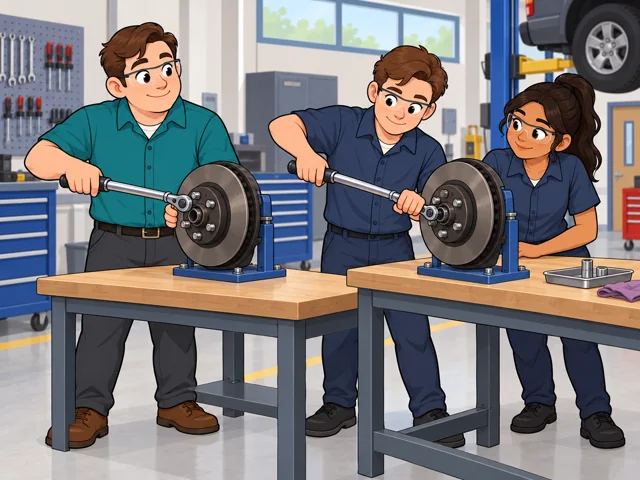
Demonstrate a tool safely
Show the safe way to handle a tool first, then watch while students practice the method themselves.
Career profile
Career and technical education teachers teach teens job skills, from car repair to culinary arts.
First you show how a job is done, then you watch students try it and help them see why each step matters.
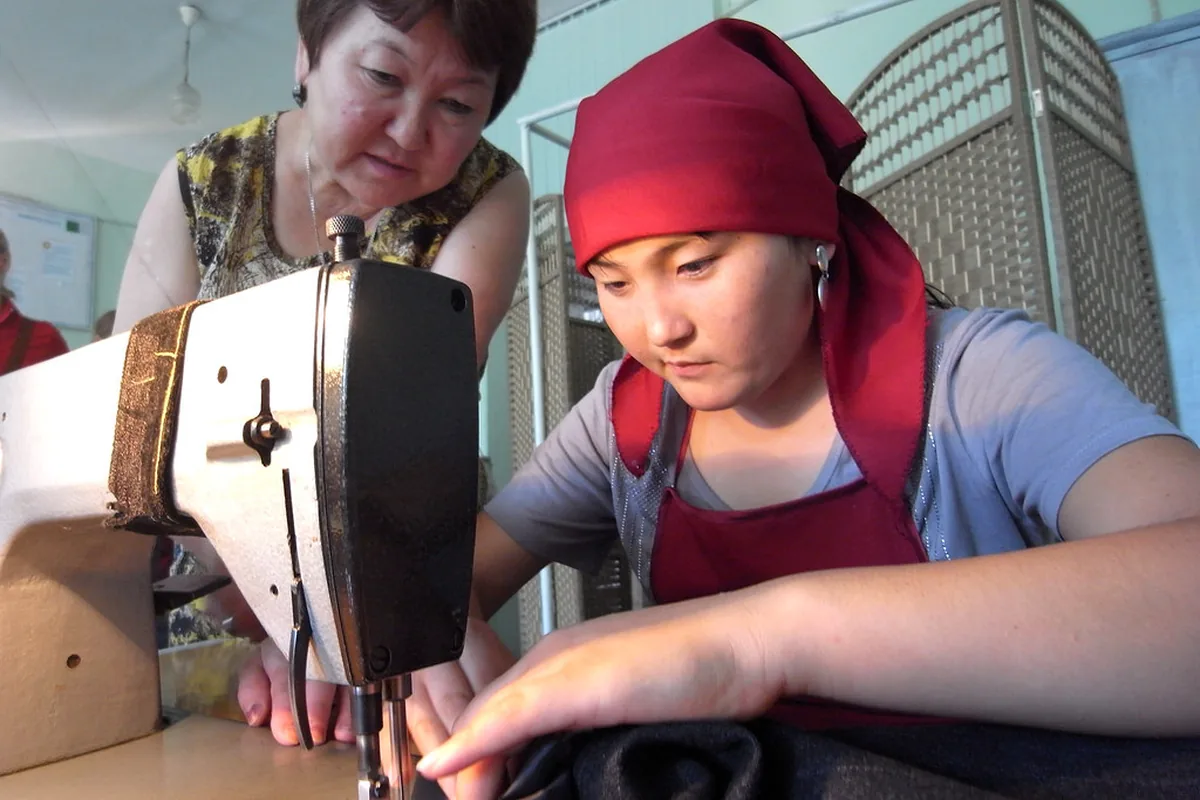
Show the safe way to handle a tool first, then watch while students practice the method themselves.
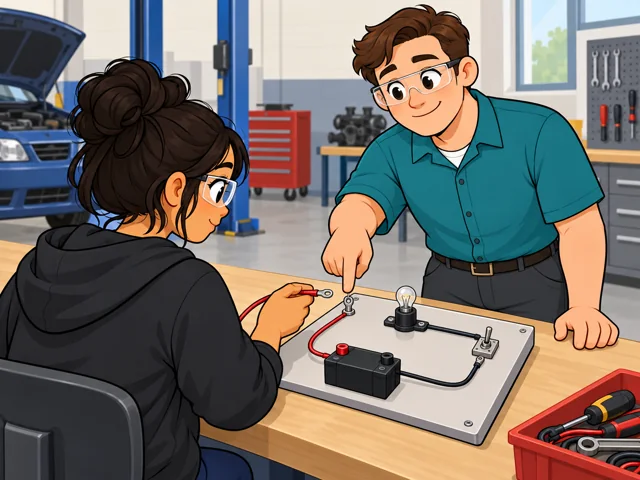
When a student's project fails, watch how they work through it, then teach the problem step again.
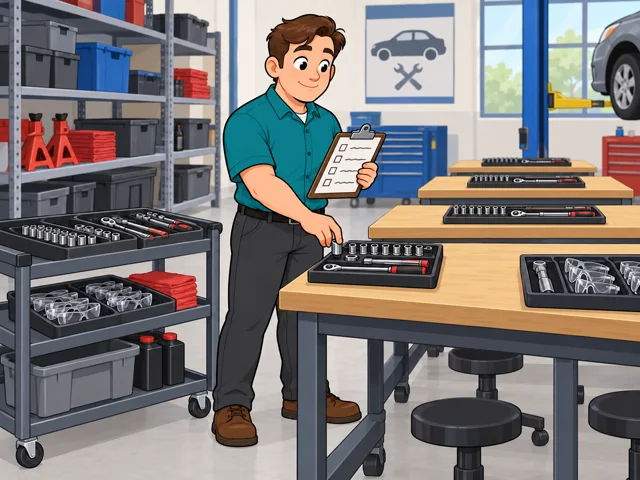
Set out supplies and go through the inventory list before the next class walks in.
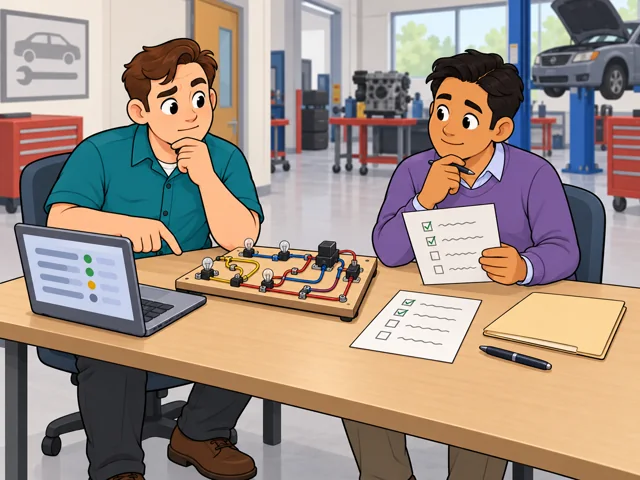
Grade finished projects, update student files, and talk with either a parent or a counselor about stalled progress.
United States
United States · May 2025
United States · 2025–2035
Quick orientation
A bachelor's degree and related experience are typical. Some states offer an industry-experience route without a bachelor's degree.
National median for secondary-school career and technical education teachers; not a starting salary.
Secondary-school employment is projected to decline 0.4%, with about 6,400 openings annually.
Online lesson systems and presentation software help you organize instruction.
You watch practical performance and decide when a student needs another demonstration.
How much practice moves onto screens will depend on the specialty and the skills students must demonstrate physically.
Pay in context
The national median gives you a reference point; an individual school's offer can differ.
The May 2025 median was $66,270 for secondary-school career and technical education teachers. Dividing by 2,080 gives about $31.86 an hour for comparison only; it is not a measured hourly rate or a teacher work-year estimate.
In May 2025, the 10th-percentile annual wage was $50,040 and the 90th-percentile wage was $101,340. These are wage percentiles, not starting and senior salaries.
In May 2023, annual pay averaged $71,110 in elementary and secondary schools and $60,090 in technical and trade schools. Both figures cover teachers working at the secondary-school level. These are historical averages, not medians or a guaranteed gain from changing workplaces.
New York City Public Schools bases salary placement on experience and education. Some career and technical education teachers can receive credit for qualifying industry work. Ask the district to evaluate your records before assuming those years will count.
Choose the field you want to teach, then check your state's career and technical education (CTE) requirements.
After entry
This starts where the entry routes leave off: early work, growing capability, and advancement or specialization.
Build reliable routines for demonstrations, practice time, and cleanup.
Learn how employers' methods are changing and use that knowledge to improve projects and workplace learning.
With experience, you may become a mentor or lead teacher.
Your career courses sit alongside academic classes. Coordinate student progress with counselors and other teachers.
At some centers, students split the day with their home high school. You plan career projects around their scheduled time on your campus.
Try it
Teach a friend to build a simple spreadsheet that totals a pretend shop's supply costs. Demonstrate once, then watch them try without taking over. Notice which instruction you need to change—and whether you enjoy helping them figure it out.