
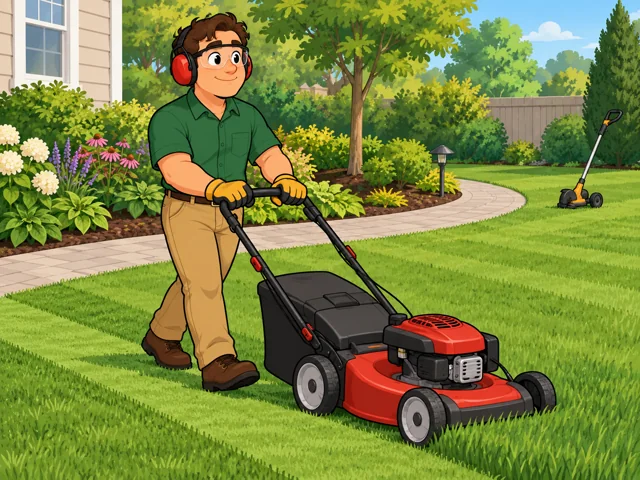
Mow first, then edge
Run the mower over the grass first, then take an edger along sidewalks, paths, and garden beds.
Career profile
Landscaping and groundskeeping workers plant newly designed areas and maintain lawns, garden beds, and grounds.
The payoff is right in front of you: a bed newly filled with plants, a hedge just cut, a lawn with a crisp edge.
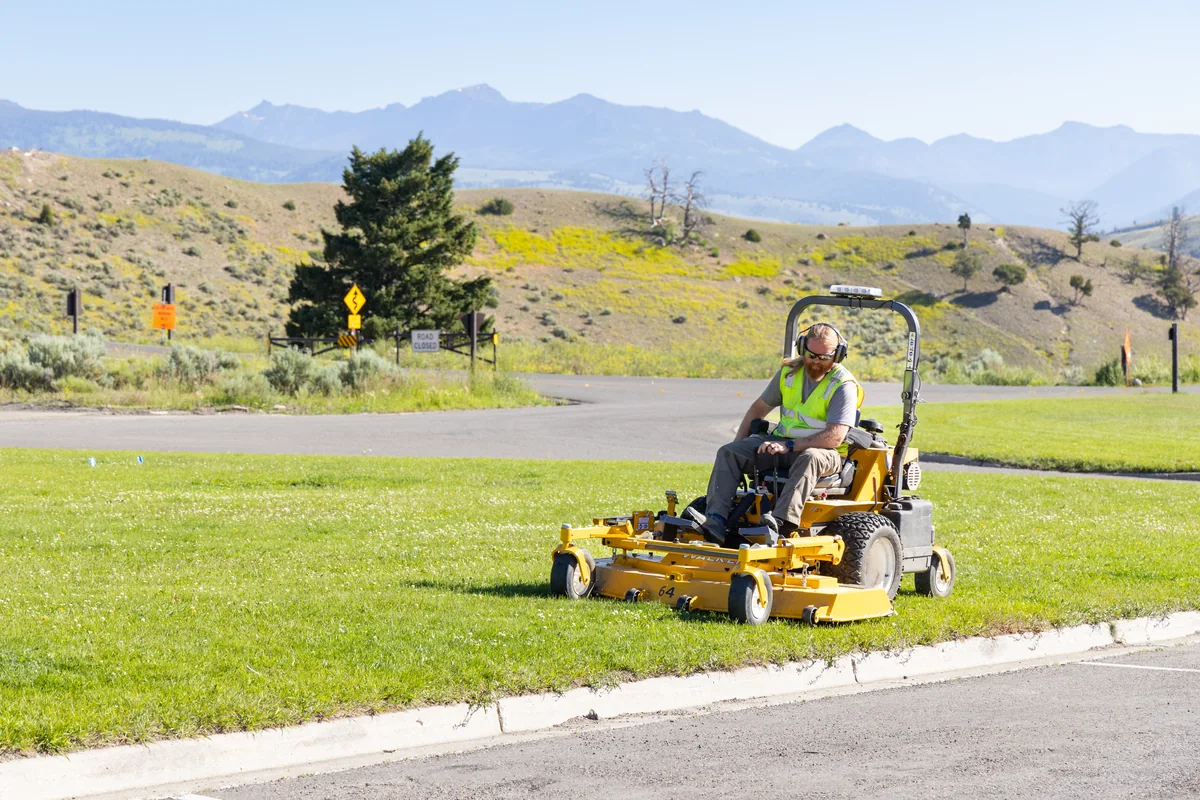
Run the mower over the grass first, then take an edger along sidewalks, paths, and garden beds.
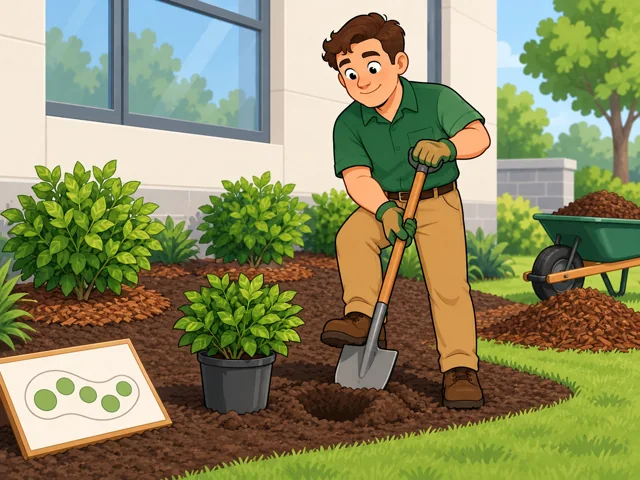
Work from the planting plan, digging with a shovel and spreading mulch around each new plant.
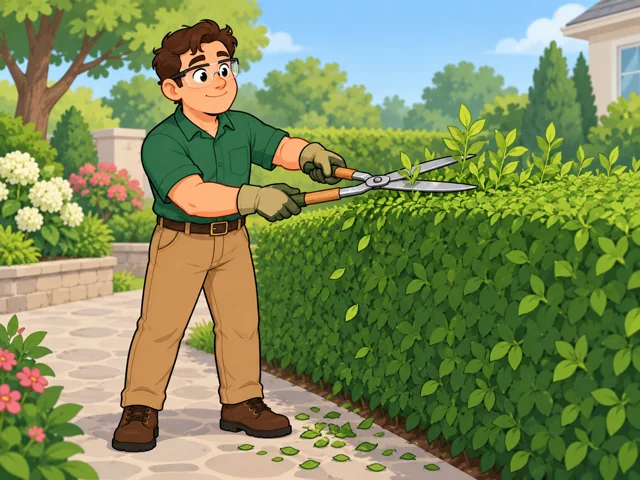
Clip extra growth off the shrubs with hand shears or a hedge trimmer, shaping them as you go.
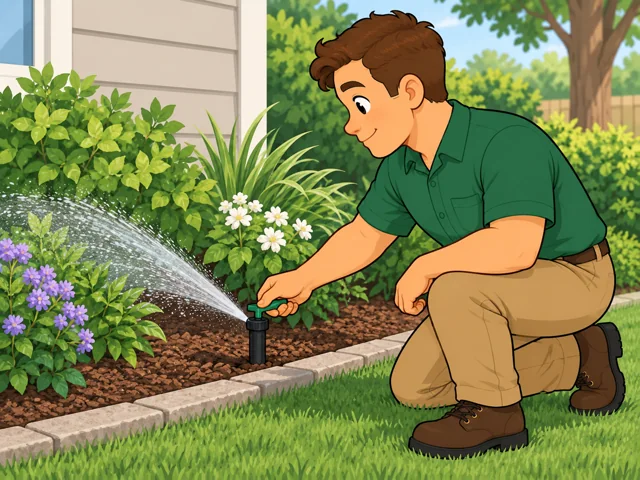
In some jobs, you set irrigation timing and fix small problems, like a sprinkler missing its bed.
United States
United States · 2025
United States · 2025–2035
Quick orientation
Usually no formal education requirement; some employers prefer a high school diploma.
National median: $39,150 annually in 2025.
Landscaping and groundskeeping employment, 2025–2035.
Commercial robotic mowers can cut within set boundaries, and an app can help workers monitor them.
You still plant, prune, and care for areas beyond the mower’s job.
How much mowing becomes automated will depend on the property and equipment. Slopes, obstacles, and satellite reception can affect the setup.
Pay in context
Compare the wage with the hours and months you would actually work.
In 2025, the national median was $18.82 an hour and $39,150 annually. The 10th and 90th percentiles were $14.98 and $27.28 an hour, or $31,150 and $56,730 annually. These describe the wage distribution, not starting and experienced pay.
In May 2023, this occupation averaged $19.46 an hour ($40,480 annually) in services to buildings and dwellings, versus $20.08 ($41,770) in local government excluding schools and hospitals. These are historical industry averages, not current offers.
Employment is projected to grow 5% during 2025–2035. A separate, older 2024–2034 projection estimated 158,200 openings annually from growth and worker replacement.
Choose between learning in an entry job and a structured apprenticeship.
After entry
This starts where the entry routes leave off: early work, growing capability, and advancement or specialization.
Learn to load the right tools and keep equipment ready for the next job.
Learn plant identification and irrigation adjustments so you can handle more of a property’s care.
Related experience and additional qualifications can help you advance to crew leader.
Your work extends beyond plants to litter, picnic areas, playgrounds, and other public spaces.
Prepare turf and mark boundaries before events. Natural fields need mowing and drainage care; artificial turf needs cleaning and repair.
Try it
Take a 15-minute maintenance walk around a park. Sketch one lawn and planting bed, then list what needs mowing, edging, pruning, or cleanup. Decide what you would tackle first. Notice whether looking closely and planning hands-on care interests you.
Stay safe: Stay on public paths and away from operating equipment; this is an observation exercise.