
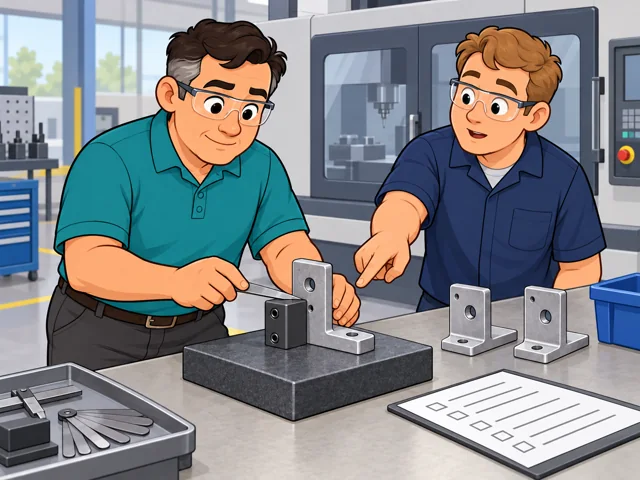
Trace a defect that keeps returning
Compare rejects with process records, ask the operator what differed, and test your hunch before changing the method.
Career profile
Manufacturing engineers plan how a plant makes things reliably and improve methods that fall short.
A sound drawing can still be hard to make repeatedly, so this job means helping choose the process, testing changes and writing instructions workers follow.
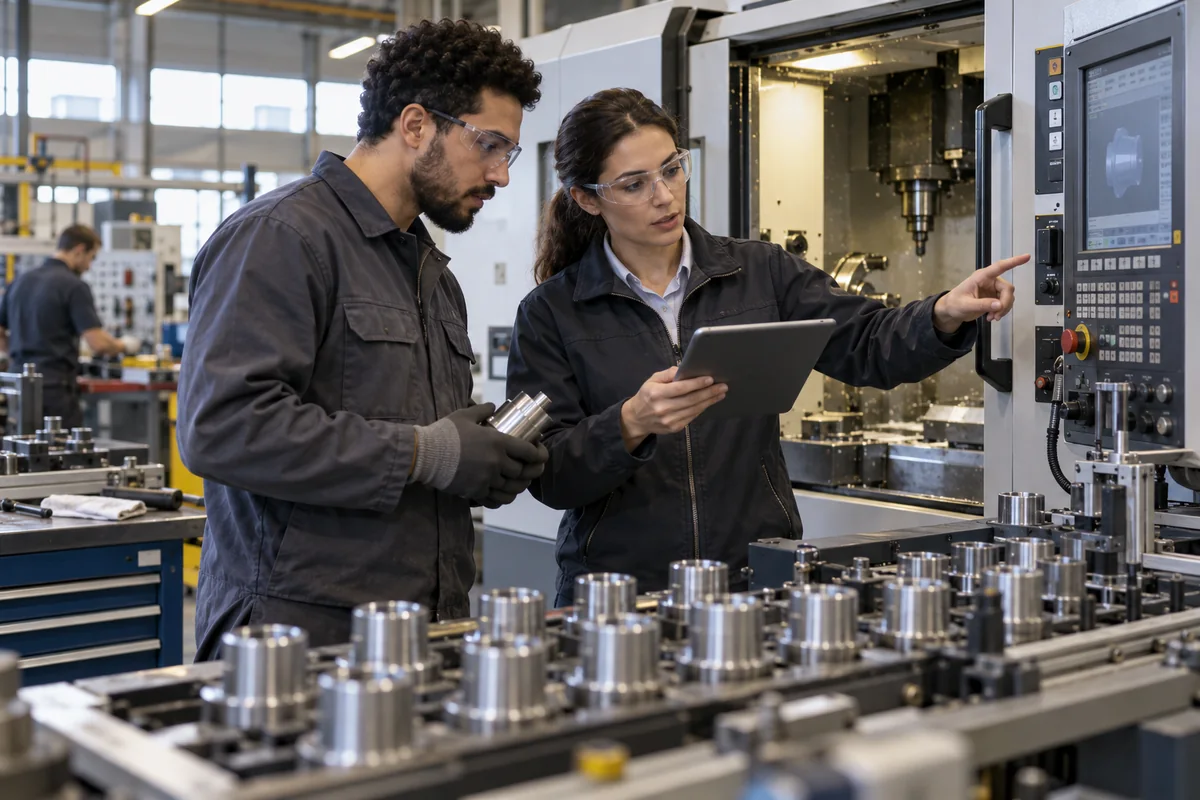
Compare rejects with process records, ask the operator what differed, and test your hunch before changing the method.
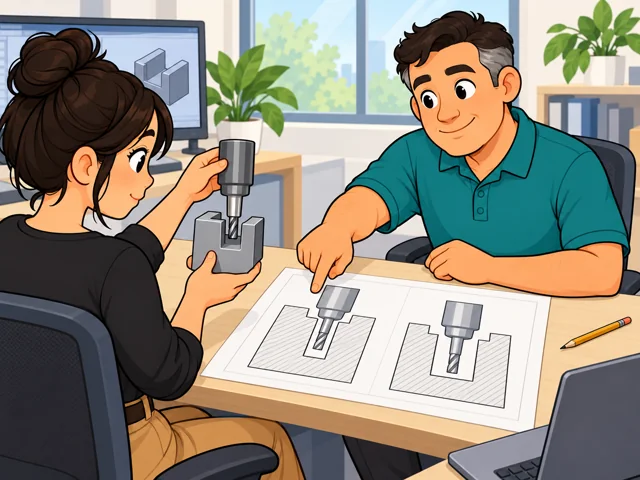
Ask the designer whether the cutter can reach a feature, and propose design or process changes if not.
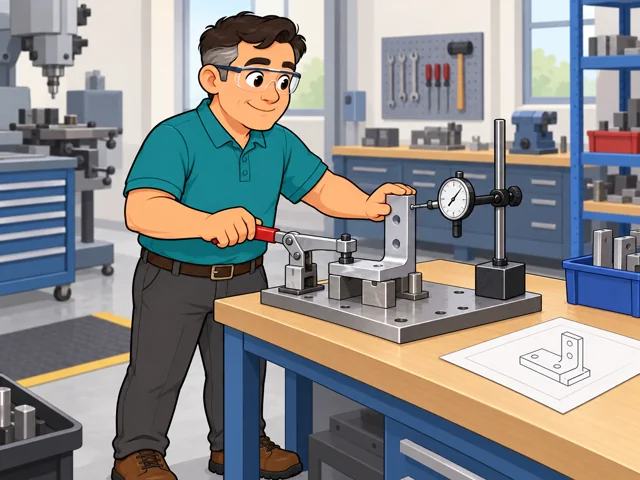
In equipment-development roles, design a fixture to steady parts, then test whether it cuts defects or time.
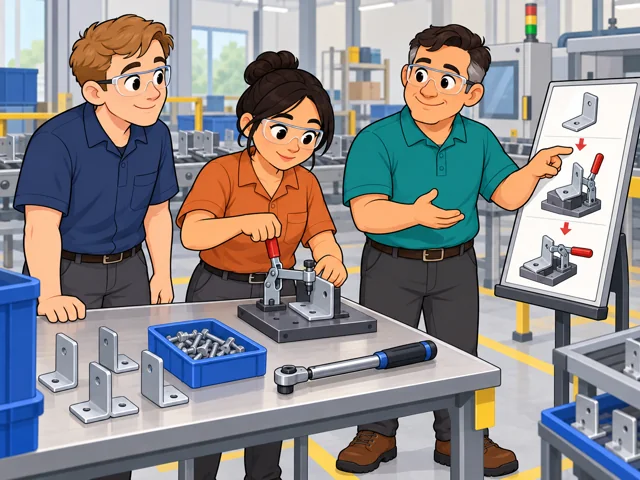
Rewrite the assembly steps and their pictures, then show production workers how the new method runs.
United States
United States · May 2025
United States · 2025–2035
Quick orientation
Manufacturing engineering is a direct route; related engineering degrees can also fit.
Median pay for the broader industrial-engineer group, which includes manufacturing engineers: $49.25 an hour.
The broader industrial-engineer group, including manufacturing engineers, has about 23,100 openings projected annually on average.
Computer-aided design software helps you lay out tooling; analysis software helps you spot patterns in production measurements.
You set the requirements, investigate what is happening on the floor, and decide whether test results justify a change.
How far automated systems will take over diagnosis and process adjustments remains uncertain, especially when materials or products change.
Pay in context
These national figures cover the broader industrial-engineer group, including manufacturing engineers. Your pay can vary with experience, responsibilities, and location.
Median pay was $102,440 a year, equivalent to $49.25 an hour. Half earned more and half less; this is not a starting salary.
The lowest-paid tenth earned below $74,370 a year; the highest-paid tenth earned above $159,860. These describe the pay distribution, not career stages.
Annual medians were $105,370 in computer and electronic product manufacturing, $102,390 in transportation equipment manufacturing, and $93,170 in fabricated metal product manufacturing.
Build an engineering foundation and get practice with real production methods through laboratories, projects, and internships.
After entry
This starts where the entry routes leave off: early work, growing capability, and advancement or specialization.
Follow the parts through the plant, learn its drawings and work instructions, and help investigate recurring production problems.
Develop a process improvement, analyze trial results, and document the method that production will use.
Move toward staff-level work defining equipment requirements, coordinating projects, and mentoring engineers. Automation can become a technical specialty.
Expect formal testing and detailed records when introducing a process. You may work with quality and regulatory colleagues, and some equipment operates in controlled environments.
Work onsite with electrical and electronic assemblies. Customer drawings and three-dimensional models feed detailed build instructions, while inconsistent production results send you back to troubleshoot the process.
Try it
Fold five identical paper sleeves around the same small book. Compare their fit, then make a cardboard guide to position each fold and repeat. Write the steps for a friend to try. Notice whether you enjoy improving consistency and explaining the method.