
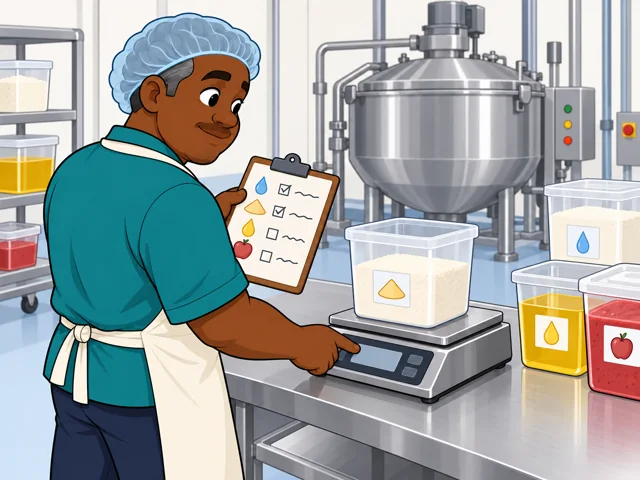
Match ingredients to the batch sheet
Compare each ingredient and its amount with the batch sheet before anything goes into the blender.
Career profile
Mixing machine operators run large factory mixers that blend weighed or measured materials evenly.
Each batch begins with confirming every input, then watching the mixer while it runs. It suits people who like both machines and exact formulas.
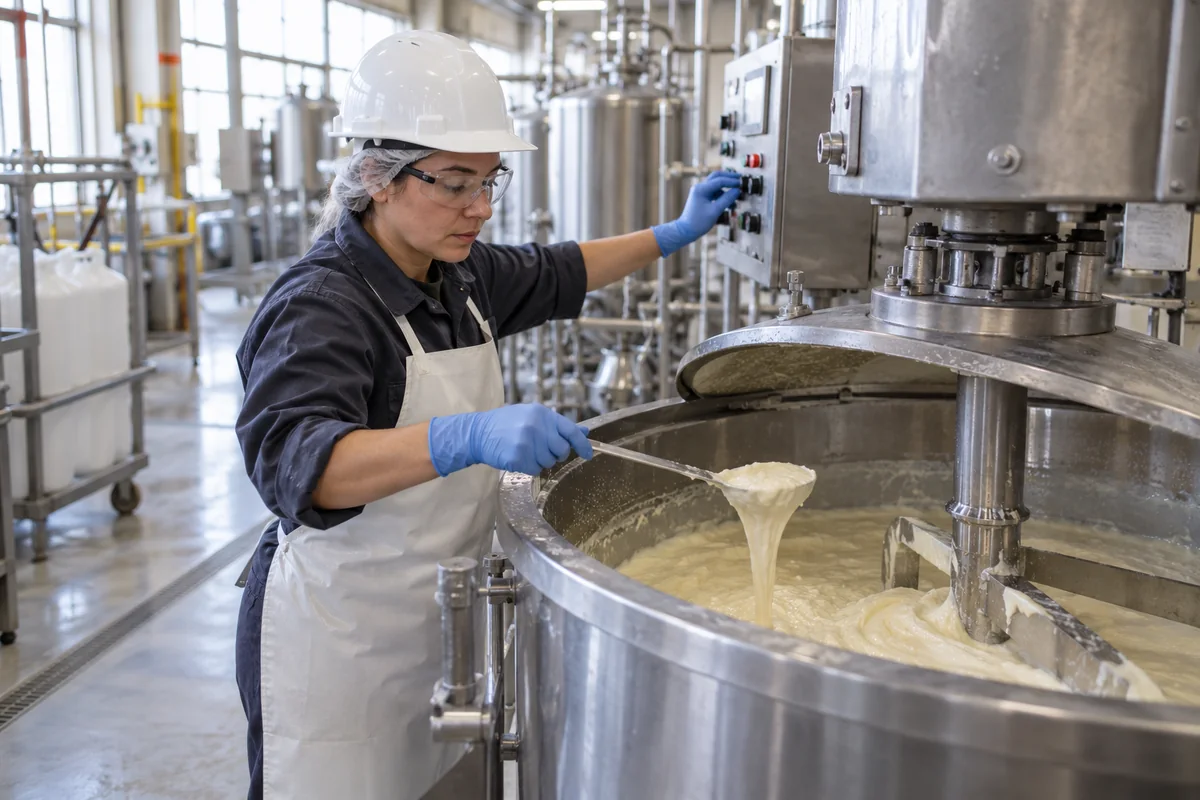
Compare each ingredient and its amount with the batch sheet before anything goes into the blender.
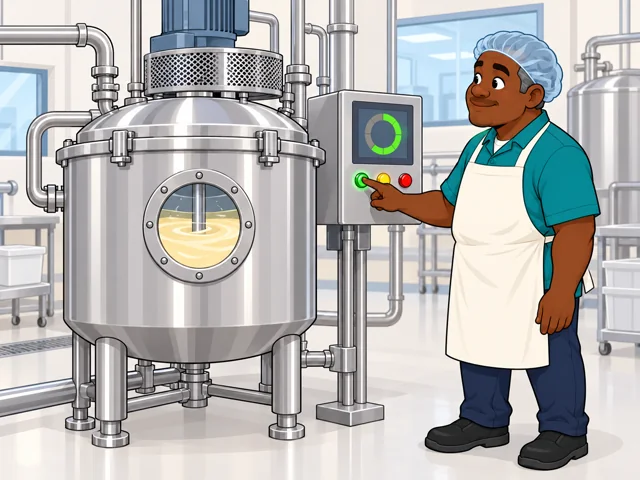
Switch on the mixer, time it for the set run, and watch the machine the whole time.

If testing shows a quality problem, tell the production supervisor and work with quality staff to fix it.
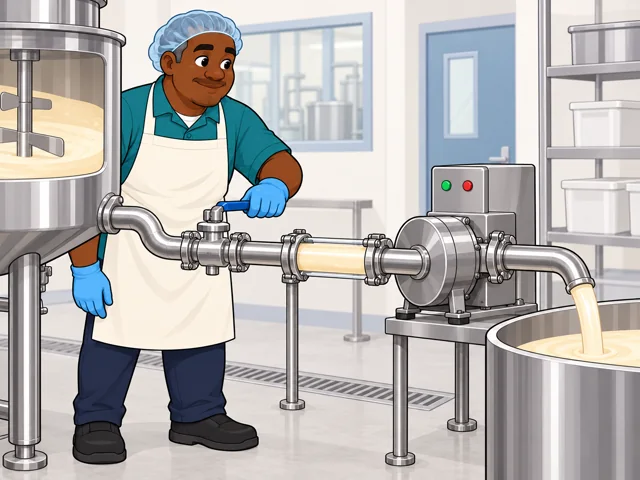
In liquid-processing jobs, once the mixture hits the required state, you send it onward with pumps and valves.
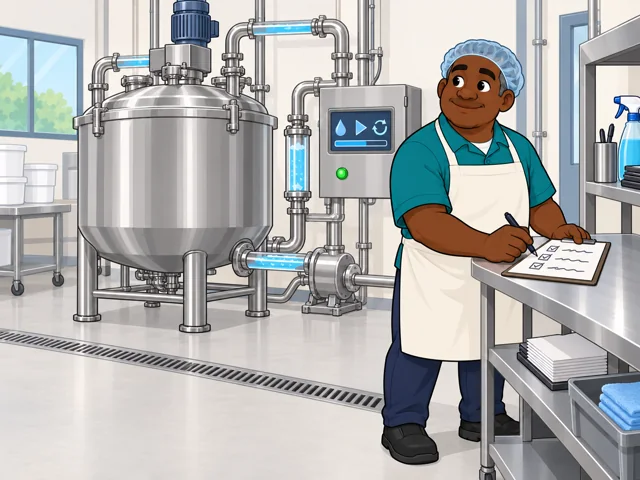
At food plants, you sanitize the equipment using the plant's set cleaning steps and fill out batch records.
United States
United States · 2025
United States · 2025–2035
Quick orientation
Some employers accept beginners; others require manufacturing or equipment experience.
National median in 2025, equivalent to $23.55/hour, for mixing and blending machine setters, operators, and tenders together.
For setters, operators, and tenders together, employment is projected to fall 6.1% from 2025 to 2035, with about 7,900 openings a year as workers leave the occupation.
Some bakery mixers use automatic measuring systems to feed ingredients into the process.
Operators still check equipment, collect samples, and bring problems to maintenance or quality staff.
How much loading and checking becomes automatic will depend on the plant's equipment and products.
Pay in context
These wage figures cover mixing and blending machine setters, operators, and tenders together.
The 2025 U.S. median was $48,990 a year, or $23.55 an hour. The lowest-paid 10% earned $36,790 or less annually; the highest-paid 10% earned $70,200 or more. These are wage percentiles, not starting and experienced-worker rates.
In May 2023, average hourly pay was $20.40 in animal food manufacturing and $26.36 in petroleum and coal products manufacturing. These older industry averages show differences between settings; they are not current offers or starting rates.
Look at experience requirements before paying for a program. Entry expectations differ between food and chemical plants.
After entry
This starts where the entry routes leave off: early work, growing capability, and advancement or specialization.
Get reliable at ingredient checks, timing, and complete batch records.
Recognize equipment problems and explain what happened to maintenance technicians.
Ask about teaching new operators and coordinating work as your experience grows.
Warehouse-style production can put you beside ingredient supplies and batch blenders. Recipe accuracy and sanitation shape the routine.
Work can involve pumps, filters, and mixing vessels, plus hazardous-waste handling and close contact with quality staff.
Try it
Make a paper batch sheet for a pretend 1,000-gram blend: 60% ingredient A, 25% B, and 15% C. Calculate each weight, then double the batch and check the total. Notice whether you enjoy the careful arithmetic and checking.
Stay safe: Keep this on paper; no chemicals or powered mixer are needed.