
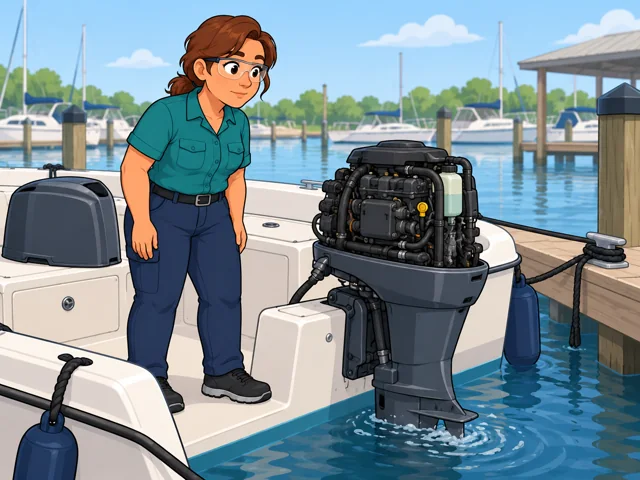
Run the engine and watch
Start the engine and keep it running, watching for shaking or misfires that show where to look closer.
Career profile
Motorboat mechanics find and fix faults in boat engines and in steering and propulsion gear.
An engine that shakes at high speed is a puzzle for you: find the cause, fix it, then make sure it runs properly.
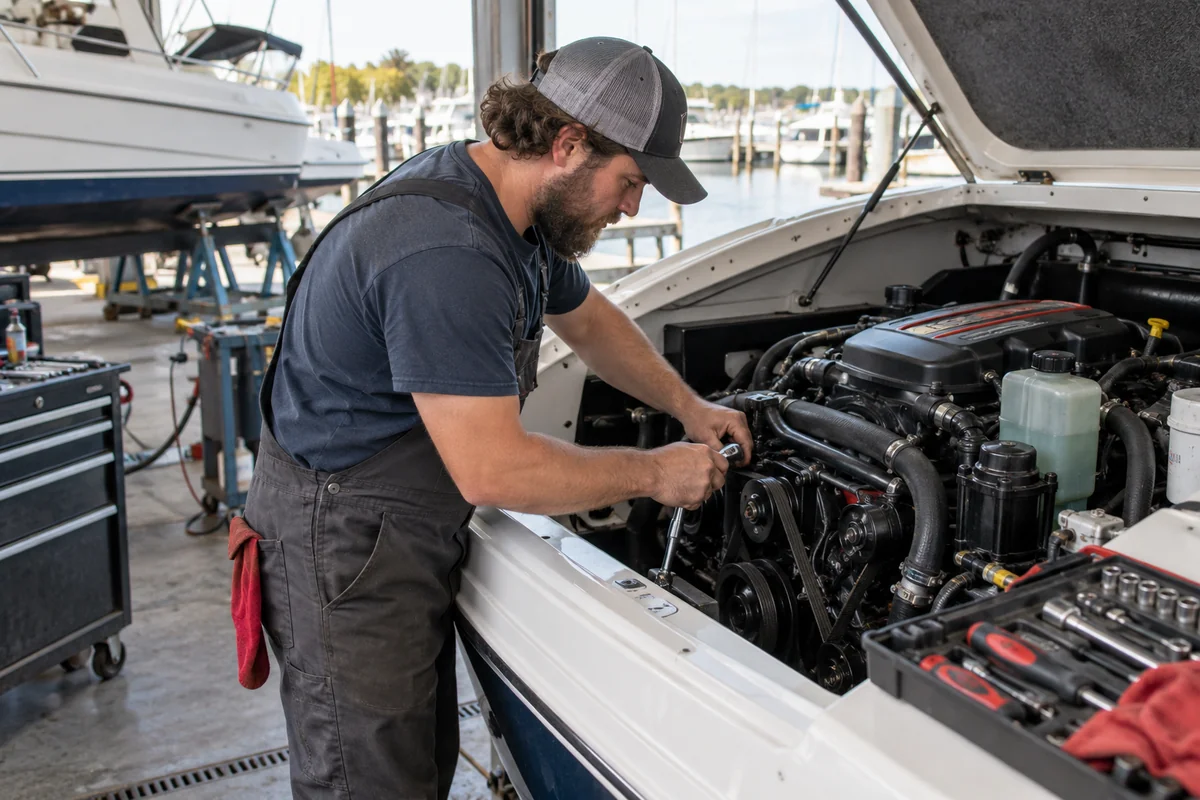
Start the engine and keep it running, watching for shaking or misfires that show where to look closer.
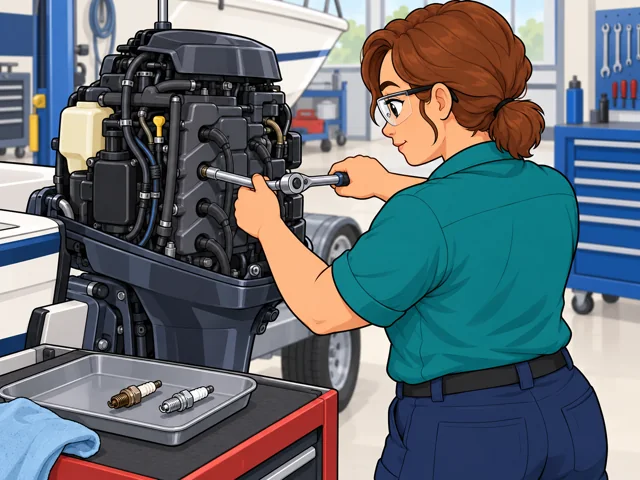
Swap in fresh oil and new filters, or replace spark plugs that have worn down.
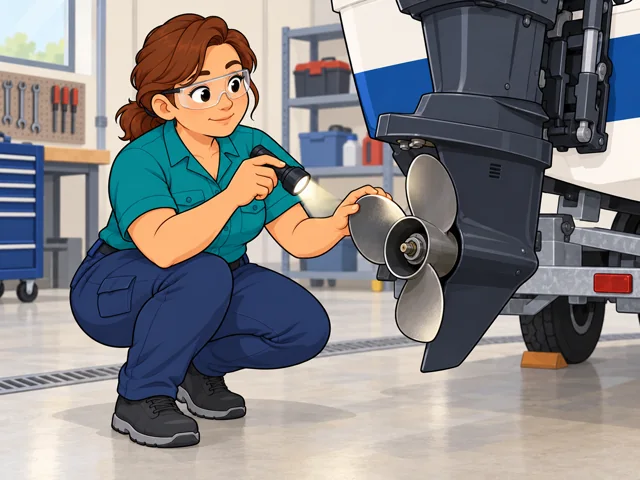
Examine the propeller and use gauges and wrenches to adjust the steering or throttle controls.

Where the job includes it, you drive the boat at several speeds to see how it performs.

Note the test results and repairs on a work order, then walk the customer through what you did.
United States · 2025–2035
United States · 2025
United States · 2025–2035
Quick orientation
A high school diploma or equivalent is typical, followed by long-term training on the job.
National median for motorboat mechanics and service technicians in 2025; the hourly median was $27.67.
About 2,600 openings a year are projected nationally for 2025–2035, including replacement needs.
On compatible engines, diagnostic software displays fault codes and graphs engine readings, helping you investigate an intermittent problem.
You still inspect parts, choose the repair, and check the result.
How far future tools can turn those readings into a dependable repair decision remains uncertain, especially when several faults produce similar symptoms.
Pay in context
The national median was $57,550 a year, or $27.67 an hour, in 2025. Treat that as a comparison point when evaluating an offer.
For motorboat mechanics and service technicians, the 10th-percentile annual wage was $36,950 and the 90th was $79,330. These mark lower and higher earnings across workers, not beginner and expert pay grades.
Ask how much work continues through winter. A seasonal schedule can change your yearly earnings even when the hourly rate looks attractive.
The 2025–2035 projection is 4.9% employment growth and about 2,600 openings annually. Openings include people changing occupations or leaving the workforce, as well as added jobs.
You can enter through a trainee job or prepare in a marine mechanics program. A high school diploma or equivalent is the typical starting point.
After entry
This starts where the entry routes leave off: early work, growing capability, and advancement or specialization.
Become dependable at routine service and basic repairs.
Progress to computerized diagnosis and engine overhauls.
Take manufacturer training for specific engines. These courses may be prerequisites for warranty work.
At a full-service center, you can work alongside parts staff, rigging technicians, and a yard crew. Repairs range from routine service to major work, with parts support at the same site.
Some employers send you to the customer's boat. Your workspace changes between calls, and weather and tight engine access become part of planning the repair.
Try it
Compare labeled pictures of an outboard motor and an inboard engine installed in a boat. Mark where you would need to reach to inspect each engine. Write down which access problem you would want a mechanic to explain. Notice whether figuring out the physical repair interests you.
Stay safe: Keep this exercise on paper; do not start or dismantle an engine.