

Hear what happened
Let a patient tell what happened, pin down the facts, and ask which problem they want help with.
Career profile
Patient advocates help patients understand choices, get services, and settle worries about their treatment.
When a patient keeps getting passed between departments, you find the breakdown, reach someone who can act, and check back once they reply.

Let a patient tell what happened, pin down the facts, and ask which problem they want help with.
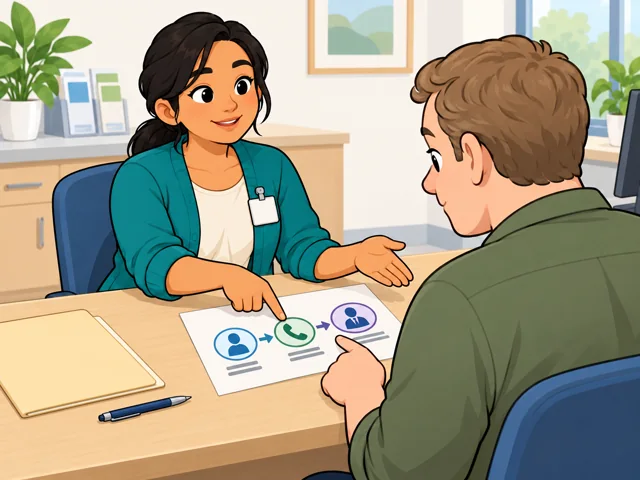
Show a patient each complaint step, including who to reach and how to escalate an unsettled worry.
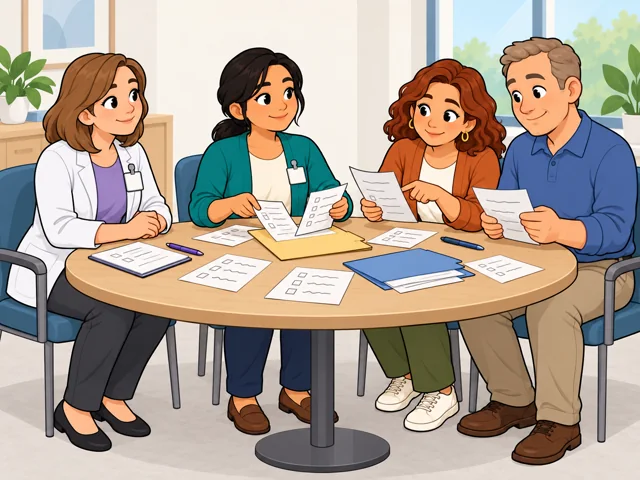
Some hospital roles have you join care conferences and help relatives sort the questions they need answered.

Reach the department handling the concern, explain the patient's request, and follow up if the problem stays open.
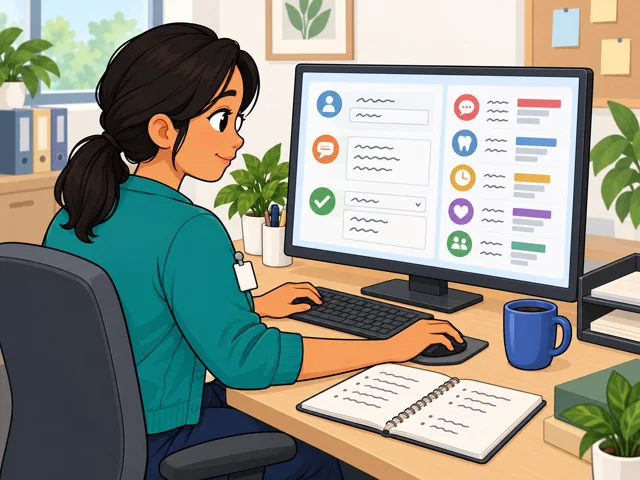
Record contact, problem, and result in the complaint database, and spot repeats that might need a wider fix.
United States
A separate national median is not available for patient advocates. See the role-specific salary ranges below.
National growth and annual openings are not reported for patient advocacy alone.
Quick orientation
Some hospital roles accept high school completion plus customer service experience; others require a related bachelor's degree and experience.
A separate national median is not available for patient advocates. See the role-specific salary ranges below.
National growth and annual openings are not reported for patient advocacy alone.
Complaint-tracking software keeps contact histories and resolution status together. In veterans' health care, reports also reveal recurring concerns across facilities.
You still need to understand what the patient wants and handle personal information carefully.
How much follow-up software can handle without a conversation remains uncertain, especially when a patient's concern does not fit a standard category.
Pay in context
Compare responsibilities and experience requirements alongside pay. These salary ranges describe particular roles, not a national average or a guaranteed starting offer.
A September 2026 Department of Veterans Affairs (VA) role covering three Florida locations listed $74,678–$97,087 a year at General Schedule grade 11. It handled complex complaints and had restricted federal hiring eligibility; it was not a school-leaver opening.
A full-time advocacy role at a bile duct cancer nonprofit carried a $55,000–$60,000 annual salary range in June 2024. It required a bachelor's degree and relevant advocacy experience. Treat this as historical context.
Check the actual duties before choosing a program. Hospital employers differ in how much education and previous customer service they require.
After entry
This starts where the entry routes leave off: early work, growing capability, and advancement or specialization. This path also has a credential or licensing boundary; see the requirements and limits.
Learn the complaint process, practice clear case notes and find out which department can resolve each kind of concern.
Build skill with complaints involving several departments. Review difficult cases with your lead to see where communication or follow-through broke down.
Work toward a lead or supervisor role. VA advocacy programs include positions that guide advocates, review complaint records and bring recurring problems to leadership.
You work inside the hospital, connecting patients with medical staff, administrators and risk management. Some roles include family care conferences.
You take up concerns that frontline staff cannot resolve, coordinate across departments and bring complaint patterns to facility leaders.
Some roles combine phone and video support with support groups, educational events and volunteer training. A home-based position may still require conference travel.
Try it
Imagine a patient has called twice about a concern without an answer. Write a short complaint note separating what happened from what the patient wants. Add two clarifying questions and a follow-up step. Notice whether you enjoy turning a frustrated account into something another person can act on.
Stay safe: Use invented details, not someone's medical information.