
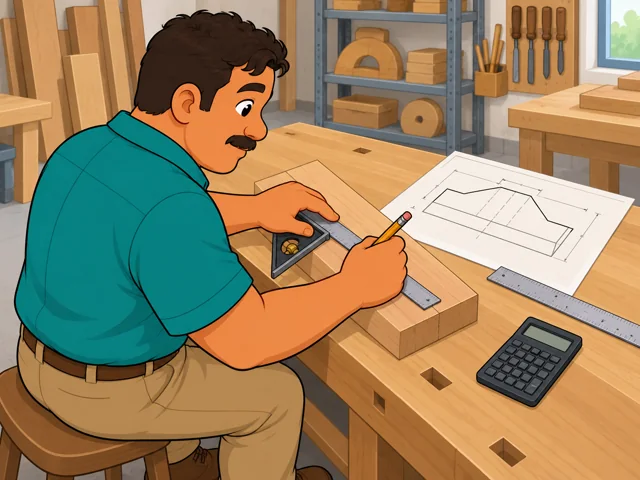
Lay out cuts from the plan
Start with the plan, work out the sizes you need, then pencil cutting lines onto the wood.
Career profile
Patternmakers build wooden patterns that are pressed into sand to shape molds for metal castings.
Each metal casting depends on its pattern. Patternmaking suits people who like using woodworking skill to turn paper plans into exact objects they can hold.
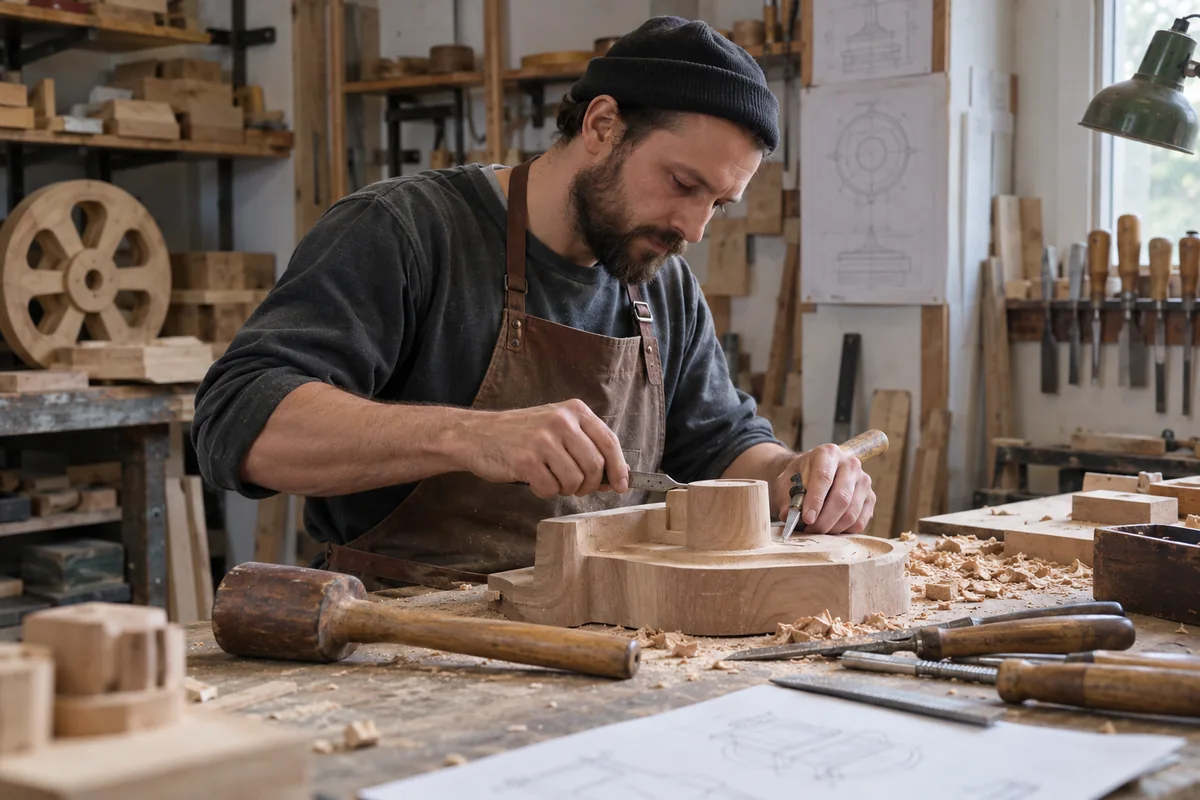
Start with the plan, work out the sizes you need, then pencil cutting lines onto the wood.
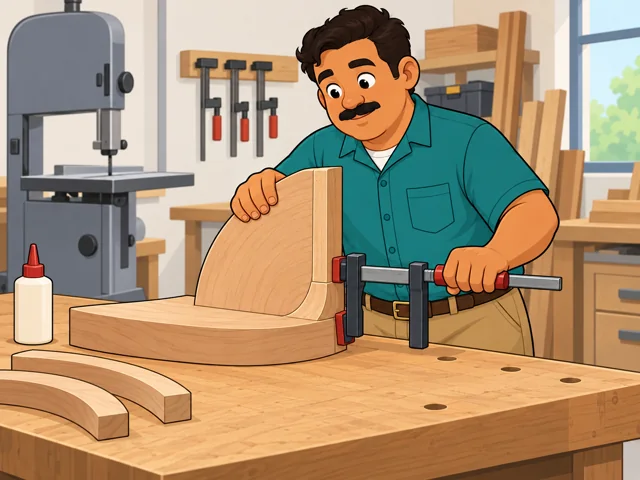
Shape parts on a lathe or saws, then fit them together and fasten them into one pattern.
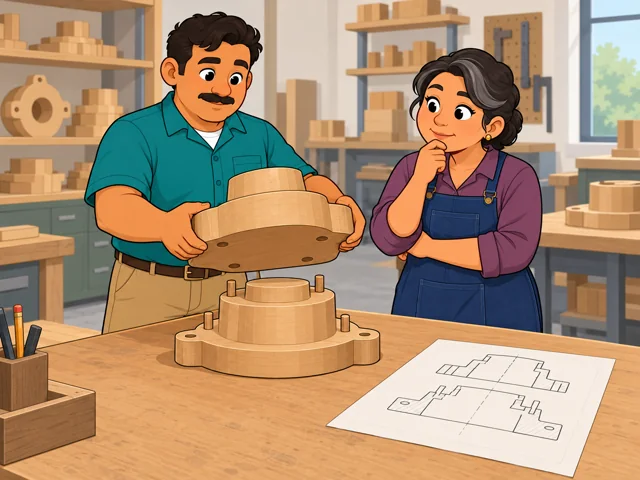
You divide a complicated pattern into sections so it can come out of the mold.
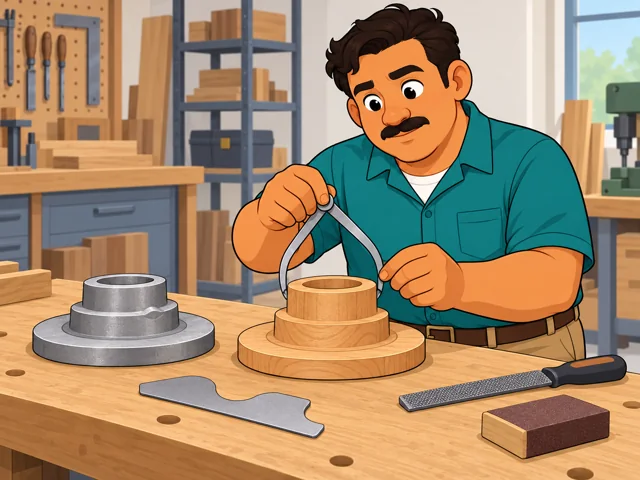
Confirm sizes with templates or calipers, and change the pattern when cast parts come out flawed.
United States · 2025–2035
United States · May 2025
United States · 2025–2035
Quick orientation
The typical education level for entering this occupation.
National median employee wage; equivalent to $23.86 an hour.
Employment is projected to shrink slightly, with about 100 openings a year nationally.
Some shops turn digital models into machine instructions and use three-dimensional printing for prototypes. Computer numerical control (CNC) machines then cut the programmed shapes.
People still choose and approve the design, prepare finished patterns, and repair damaged tooling. A machine-cut shape still has to work in the foundry.
How much hand shaping remains will depend on the parts and materials a shop handles. Mixed-material shops may shift more work toward programming, while retaining fitting and repair work.
Pay in context
Use the national figures as a comparison point when you look at an offer, not as a promised starting wage.
Wood patternmakers had a median wage of $49,630 a year, or $23.86 an hour. Half earned more and half earned less.
The 10th-to-90th-percentile range was $37,600–$83,780 a year, or $18.08–$40.28 an hour. These are positions in the wage distribution, not beginner and experienced pay rates.
Employment is projected to decline 2% over the decade. About 100 openings per year are projected nationally, so openings can exist even while total employment falls.
You learn this trade through shop practice. Apprenticeship can start that training; relevant experience can also count toward it.
After entry
This starts where the entry routes leave off: early work, growing capability, and advancement or specialization.
Learn to select wood and tools, then make simple patterns with sound joints and consistent shapes.
Build larger, unusually shaped or collapsible patterns that require more planning before cutting.
Deepen your computer-aided design and manufacturing skills so you can help turn digital shapes into machine tool paths and finished patterns.
Some foundry shops concentrate on repairing patterns and mounting them for molding, while outside suppliers build complete new patterns. Your work keeps existing tooling usable for casting production.
You help turn customers' drawings into tooling for other companies. Shops may combine wooden patterns with foam, plastic or metal work and digital modeling, so the material and process can change between projects.
Try it
Press a small toy block into modeling clay, then lift it out without disturbing the impression. Sketch a more complicated shape and mark where you would split it to make removal easier. Notice whether planning the removal interests you as much as making the shape.
Stay safe: Use only modeling clay and blunt objects; this exercise needs no cutting tools or molten metal.