
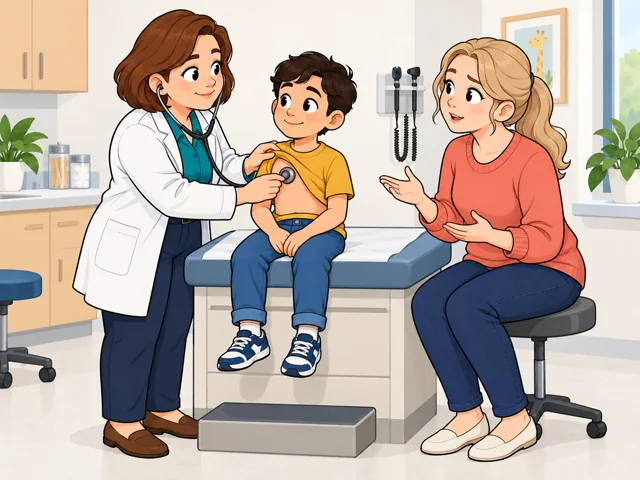
Examine a child who feels sick
Ask when symptoms started, examine the child and listen with a stethoscope, then decide on tests or treatment.
Career profile
Pediatricians care for kids as their bodies, skills, and medical needs change.
A child's own words, a parent's observations and the physical exam findings fit together. You use them to diagnose illness and track development over years.
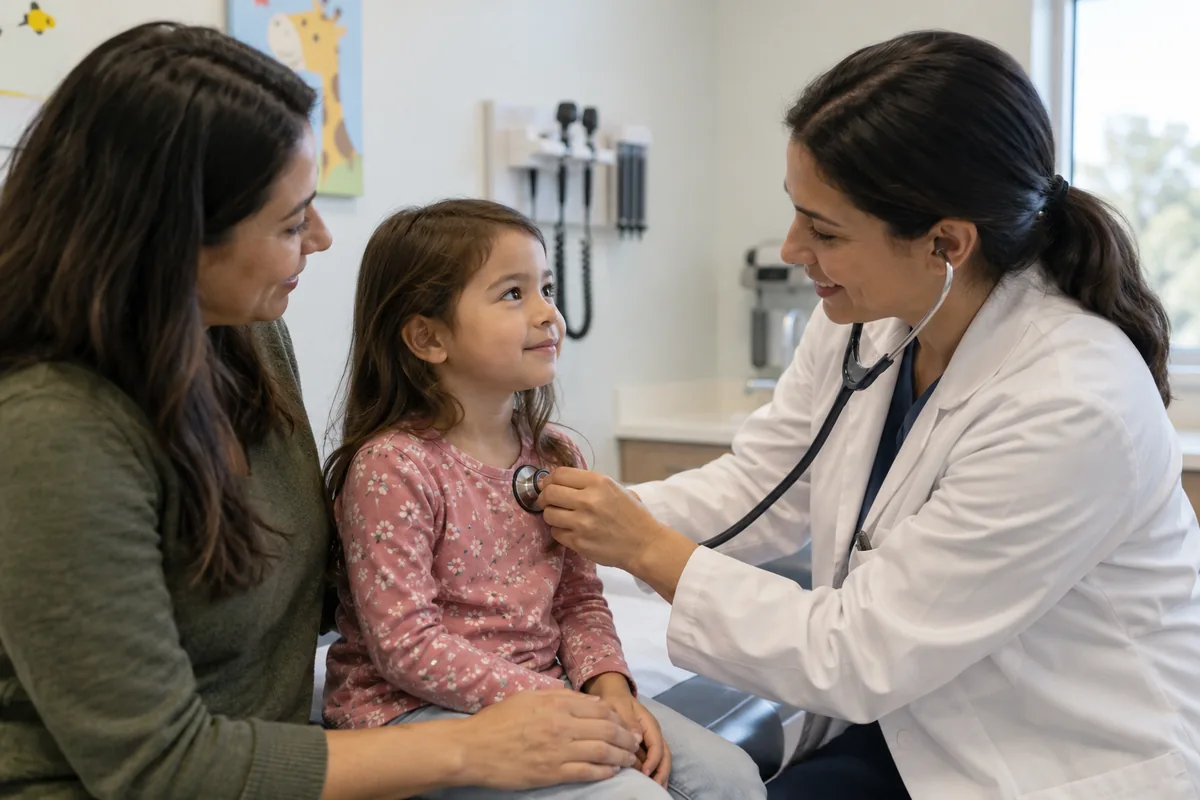
Ask when symptoms started, examine the child and listen with a stethoscope, then decide on tests or treatment.
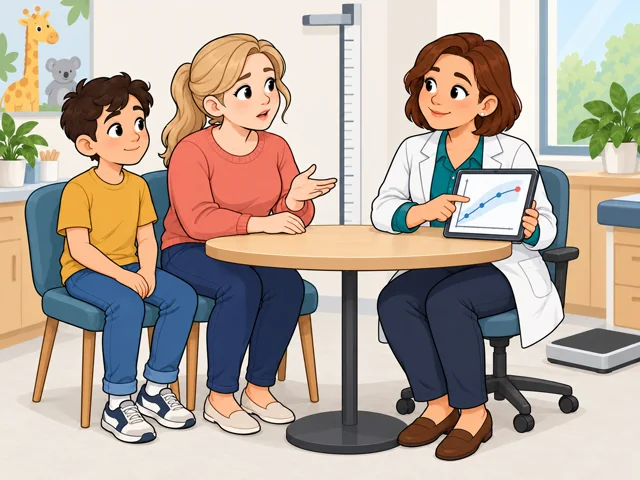
Compare growth numbers with past visits, ask about sleep, behavior and learning, shifting focus if a parent worries.

Talk the child and parent through test results and treatment, and make sure they understand the next steps.
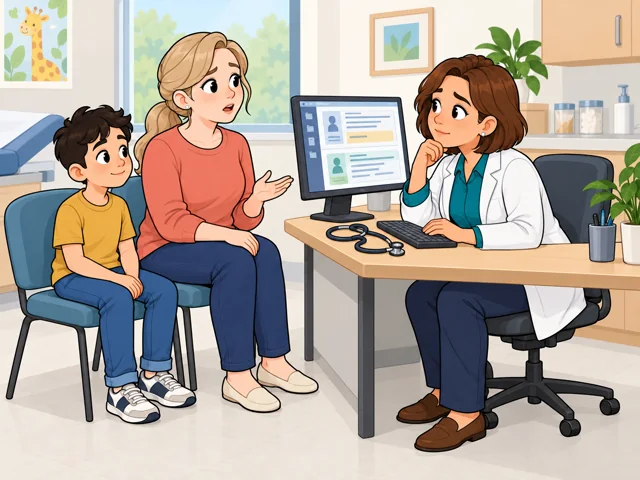
Check progress and update the chart, and if nothing improves, rethink the plan or refer to a specialist.
United States
United States · May 2025
United States · 2025–2035
Quick orientation
A doctoral or professional degree is the entry education level. Pediatric preparation includes medical school and usually three years of pediatric residency.
National median for general pediatricians; equivalent to $100.98 an hour.
General-pediatrician employment is projected to grow 1.5%, with about 1,000 openings a year on average.
Some pediatricians use artificial intelligence (AI) tools to help write visit notes. These tools may reduce time spent documenting a conversation.
You still interpret the child’s condition and explain decisions to the family. A useful note cannot replace an examination or an understanding of the child’s development.
How much documentation and clinical reasoning these tools can safely take over remains uncertain, especially when their answers must fit children of different ages.
Pay in context
Use the national figures as a reference when comparing jobs, then look closely at the hours and compensation terms of an actual offer.
General pediatricians had a median annual wage of $210,040 in May 2025, equivalent to $100.98 an hour. That hourly equivalent is not a promised hourly rate.
The 10th-percentile annual wage was $91,470 and the 90th-percentile wage was $338,500. These describe the wage distribution, not starting and senior salaries. Self-employed income is excluded.
Employment is projected to rise 1.5% from 2025 to 2035. About 1,000 openings per year are expected on average, including growth and replacement needs.
The usual route has two connected parts: qualifying education, then pediatric residency. They are successive steps toward practice.
After entry
This starts where the entry routes leave off: early work, growing capability, and advancement or specialization. This path also has a credential or licensing boundary; see the requirements and limits.
Build reliable habits for reviewing results, arranging follow-up, and consulting colleagues when a child’s needs exceed your expertise.
Use continuing education and reviews of your own practice to improve care—for example, checking whether families complete needed follow-up.
Apply for fellowship if you want deeper work in an area such as pediatric infectious diseases, combining complex patient care with research and teaching.
Repeated visits let you get to know families and compare a child’s development over time. Preventive appointments share the practice with visits for illness and ongoing concerns.
Your focus is children who need hospital care. You coordinate with other physicians, respond to changes during the stay, and pass the care plan back to the child’s regular pediatrician at discharge.
Try it
Read the American Academy of Pediatrics’ public guide to well-child visits. Choose one topic, such as growth or sleep, and write a short explanation for a parent and another for a child. Notice whether adapting the same information to both people interests you.
Stay safe: Use general information only; do not assess a real child or recommend treatment.