

Inspect a shrub for trouble
Look closely at a shrub or lawn for weeds, bugs, or disease before you choose a treatment.
Career profile
Pesticide applicators put products on lawns, shrubs, trees, or crops against weeds, pests, and disease.
Spraying starts with a close look at the plants. It suits people who enjoy solving problems and handling gear carefully, and it uses both.
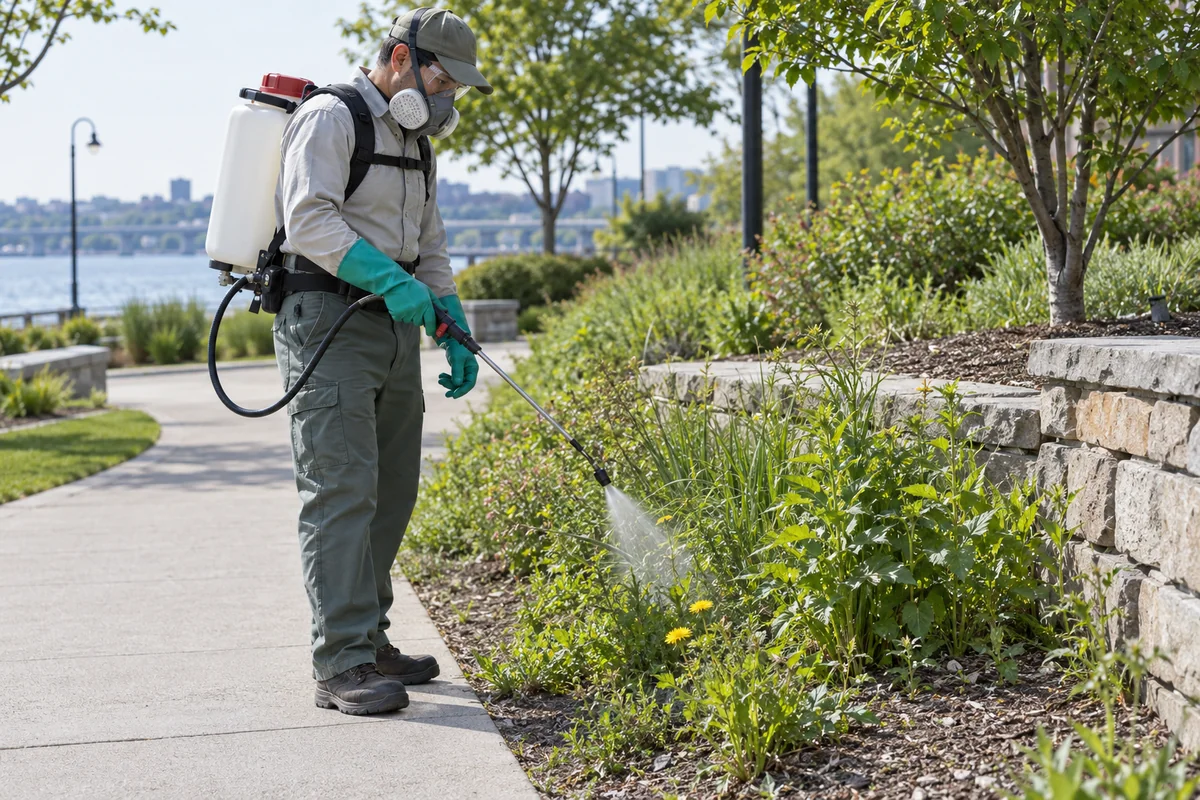
Look closely at a shrub or lawn for weeds, bugs, or disease before you choose a treatment.
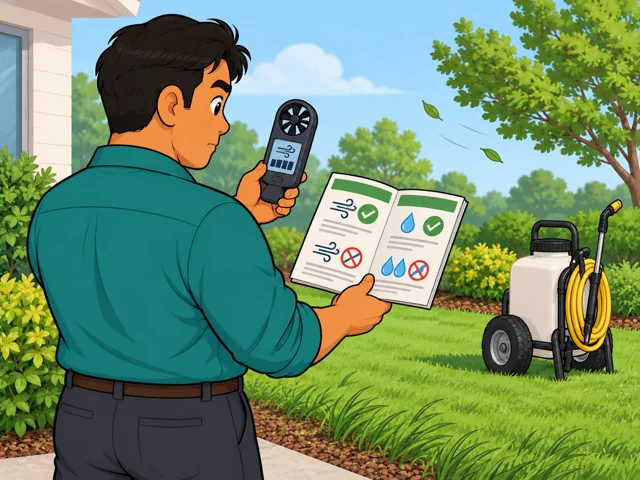
If the weather on site goes past the limits printed on the label, hold off spraying.
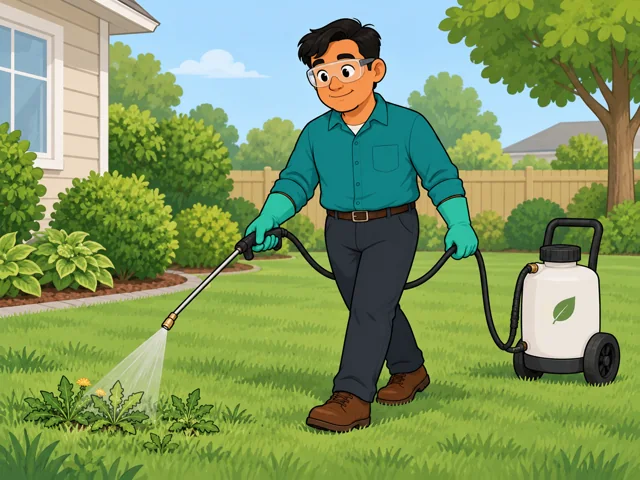
Measure the mix, load it into the sprayer tank, then sweep the hose and nozzle across the area.
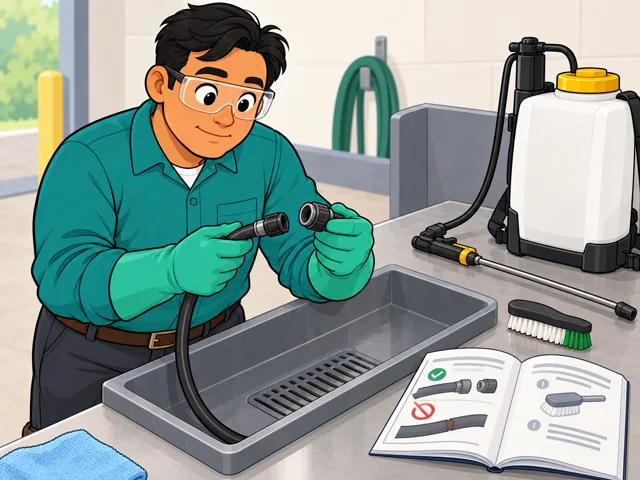
Examine fittings and hoses for leaks or damage, then clean the gear as the product label requires.

Write the product you used and how much went on into the application record.
United States · 2025
United States · 2025
United States · 2025–2035
Quick orientation
Typical entry preparation includes a high school diploma or equivalent and on-the-job training. Certification requirements depend on where and how you apply pesticides.
National median for vegetation pesticide handlers, sprayers, and applicators; equivalent hourly median: $22.28.
About 3,300 openings per year are projected nationwide for this occupation.
Some agricultural sprayers use cameras to locate weeds on unplanted fields and activate individual nozzles automatically.
You still assess the site, check application conditions, and make sure the equipment delivers the intended treatment.
How much automatic targeting can replace manual spraying will depend on the plants, terrain, and equipment that each job can use.
Pay in context
Compare the hourly rate with the paid hours and months of work an employer offers.
In 2025, the median was $46,340 a year, or $22.28 an hour. The annual 10th and 90th percentiles were $35,570 and $61,420. Those describe the pay distribution, not starting and senior salaries.
For historical context, May 2023 average hourly pay was $20.90 in crop-production support and $22.80 in local government, excluding schools and hospitals. These are industry averages for this occupation, not current offers.
For 2025–2035, projected employment growth is 3.9%, with about 3,300 openings annually. Openings include replacing workers who leave the occupation as well as filling additional jobs.
A college degree is not the typical entry requirement. Plan for practical training and the application credentials your work requires.
After entry
This starts where the entry routes leave off: early work, growing capability, and advancement or specialization. This path also has a credential or licensing boundary; see the requirements and limits.
Build a dependable routine for handling the sprayer and completing application records.
Improve plant diagnosis and learn how nozzle choice and equipment setup affect coverage.
With experience and additional qualifications, you may advance to crew leader or another supervisory role.
You work on clients’ lawns, trees, and shrubs, moving equipment between properties and explaining treatments to customers. Driving and customer conversations share the day with spraying.
Herbicide work can sit alongside mowing and erosion control. Trucks and tractors cover roadside areas, while slopes and uneven ground complicate access. Some crews also have night work or emergency callouts.
Try it
From an accessible path, sketch a small lawn or planting bed. Mark weeds or damaged leaves, nearby drains, and places people walk. Write down what you would need to identify before considering treatment. Notice whether this careful observation interests you.
Stay safe: Keep this to observation and paper. Do not handle pesticides, use spraying equipment, or enter a posted treatment area.