

Respond to a call
Get details from dispatch, size up the scene, and decide if you need backup or medical help.
Career profile
Patrol officers watch an area, answer calls for help, and enforce traffic and criminal laws.
One minute you're talking with a resident, the next you're at a crash. You listen closely, act on the facts, and explain your choices later.
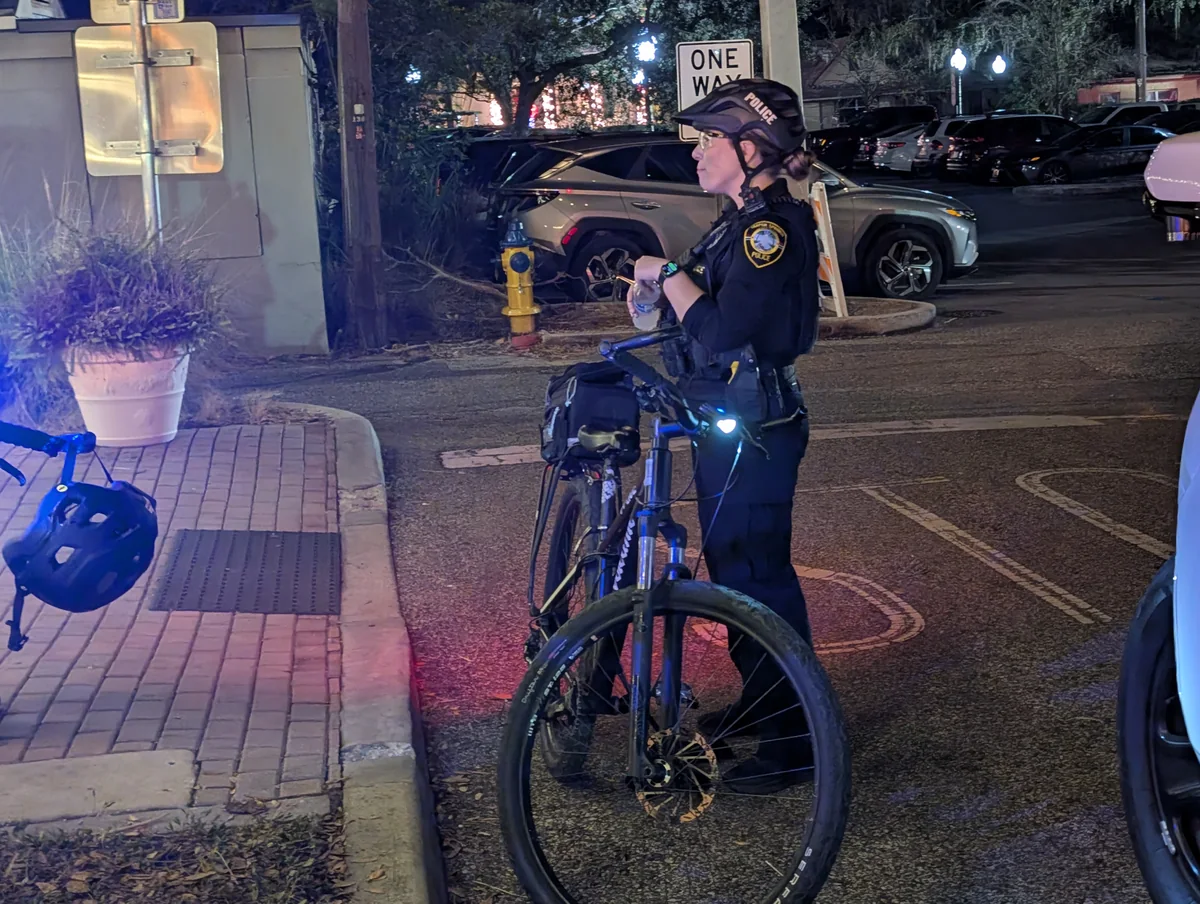
Get details from dispatch, size up the scene, and decide if you need backup or medical help.
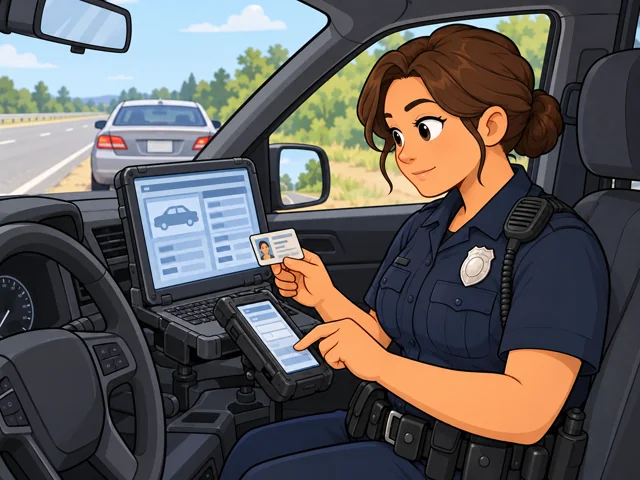
You pull a driver over, look up the car's records on the computer, and write a ticket.
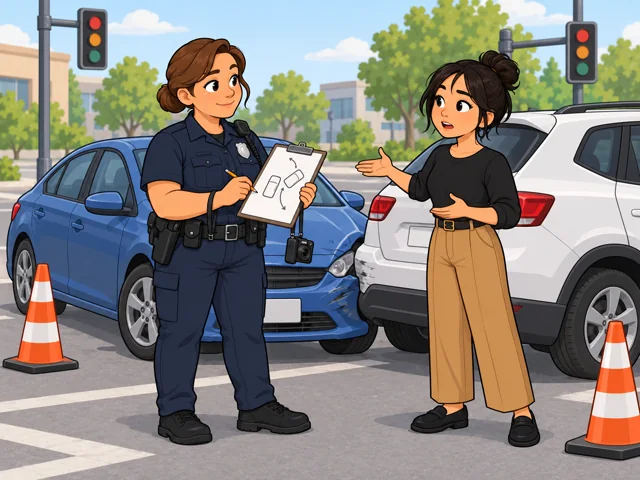
Talk to the drivers and witnesses, take photos, and sketch the scene to work out what happened.
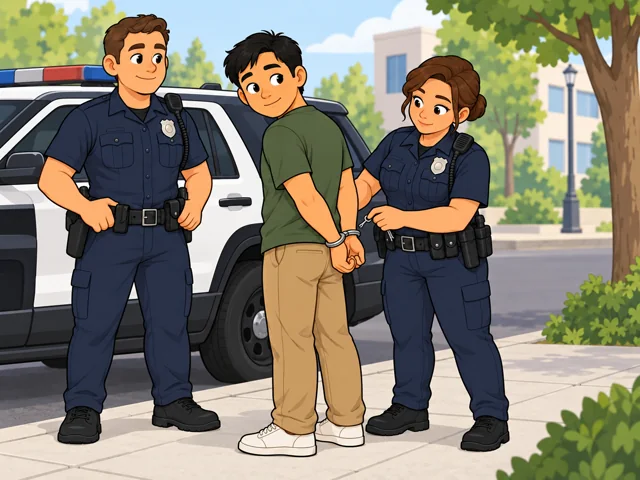
Review the evidence, arrest the suspect if it points to a crime, and check the charges are right.

Put what you saw into a clear report, since you might later testify about it in court.
United States
United States · May 2025
United States · 2025–2035
Quick orientation
Departments set education requirements; some require college. Academy training and practical training usually follow selection.
National median for police and sheriff's patrol officers; equivalent hourly median: $36.64.
About 51,500 openings a year are projected for patrol officers, including replacement openings.
Some departments use artificial intelligence to turn body-camera audio into a draft report, giving officers a starting point for their writing.
The officer must check the draft, correct mistakes, and approve its accuracy. A fluent paragraph can still describe an incident incorrectly.
How much writing these tools will take over remains unsettled: overlapping voices and poor audio can leave substantial checking and rewriting.
Pay in context
The national median is a useful comparison point, not a promised starting salary.
In May 2025, patrol officers had a median wage of $76,210 a year, or $36.64 an hour. The lowest-paid 10% earned $47,510 or less; the highest-paid 10% earned $115,120 or more. These are wage percentiles, not beginner and senior pay grades.
Paid overtime is common. Some departments add pay for college education or bilingual skills; eligibility depends on the employer.
Employment is projected to grow 3.5% from 2025 to 2035, with about 51,500 openings annually. Openings include replacing workers who leave, so they are not all newly created positions.
Applicants usually need to be at least 21 and meet physical and personal qualifications. Rules vary by state and department. California illustrates two different academy sequences.
After entry
This starts where the entry routes leave off: early work, growing capability, and advancement or specialization.
Work with a field training officer, practice handling calls, and use daily feedback to improve your decisions and reports.
Get to know your patrol area and its residents. Use continuing training and experience with recurring calls to build your judgment.
With experience, pursue sergeant, detective, or specialist assignments. Promotion commonly considers examinations and job performance.
Urban patrol can mix vehicle shifts with foot or bicycle beats in dense neighborhoods and parks. You get to know a local area while responding to calls and backing up other officers.
A sheriff's patrol division may serve communities outside city boundaries from several substations. You work a geographic beat in a marked patrol vehicle, with other divisions able to assist during major emergencies.
Sworn campus officers serve students, staff, and visitors with full law-enforcement responsibilities. Walking and bicycle patrol can make everyday conversations easier alongside vehicle patrol and calls for help.
Try it
Ask a friend to stage a harmless scene, such as entering a room and moving a backpack. Watch once, then write a short incident report separating what you saw from what you inferred. Compare notes: did you enjoy being precise enough for someone else to understand?
Stay safe: Use a consenting participant in a private setting; do not follow strangers or stage a crime.