
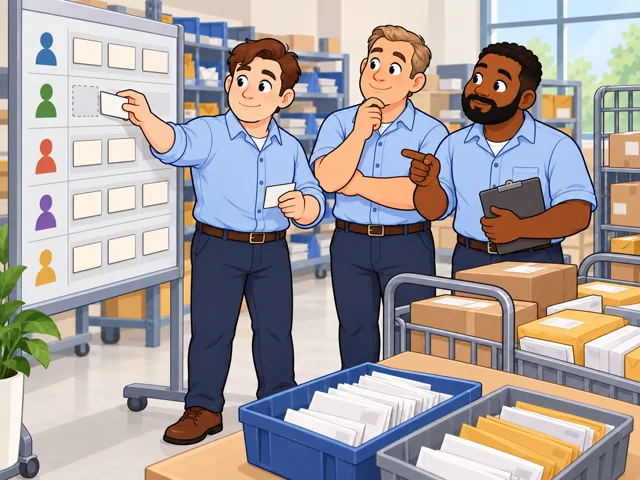
Reshuffle the morning roster
With a worker out, weigh the pending tasks against who is here and redo the morning roster.
Career profile
Postmasters run a post office, including the work that happens behind the service counter.
When the staffing picture changes or a service problem comes up, you choose which issues to handle and help your staff fix them.
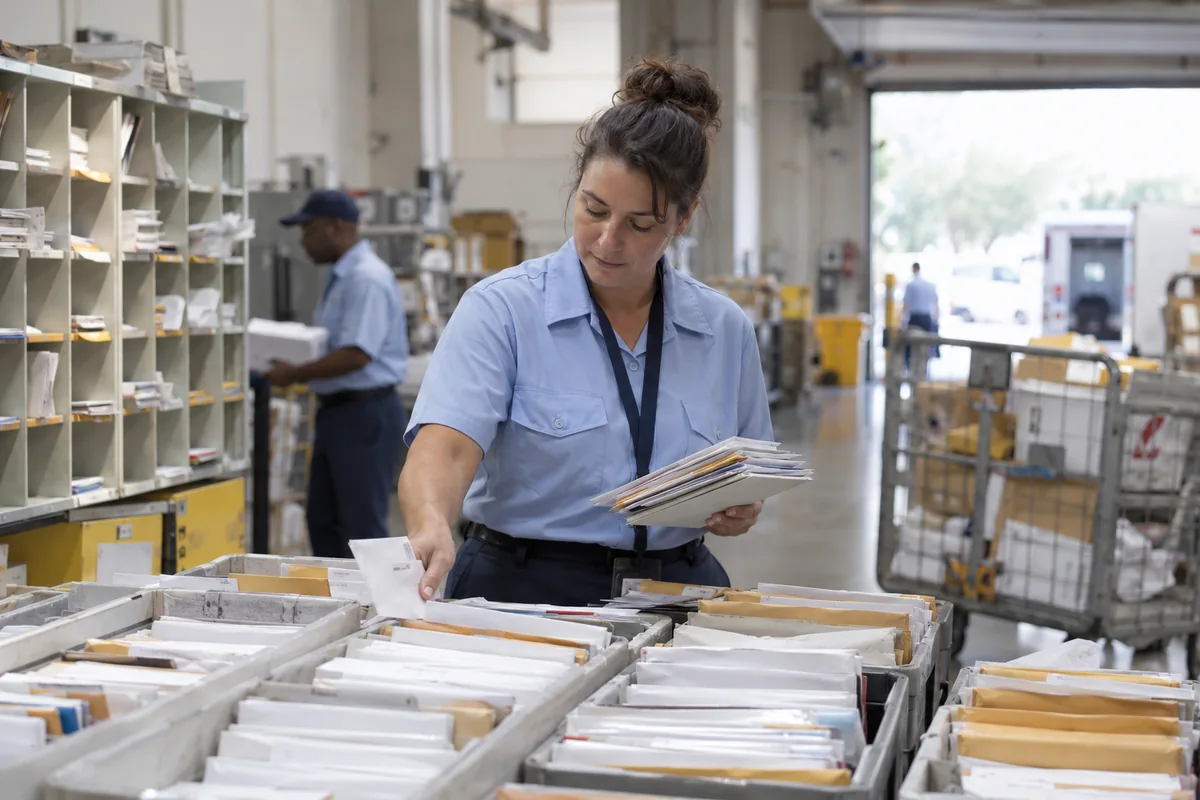
With a worker out, weigh the pending tasks against who is here and redo the morning roster.
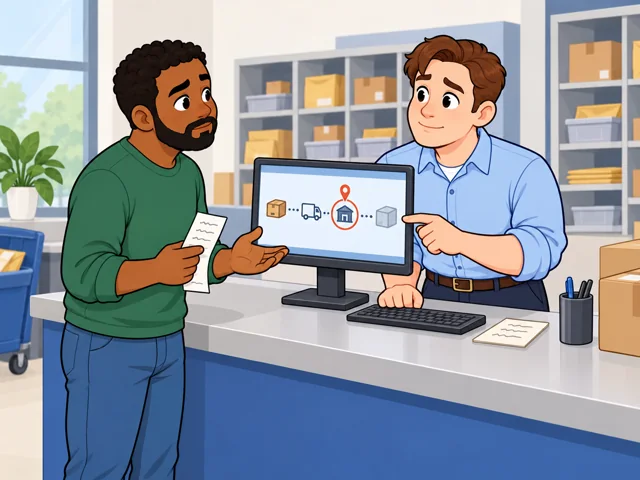
Listen to a customer whose parcel went missing, pull up its tracking data, and decide what happens next.

Go through the office's money records and look into any expense running higher than the plan allows.
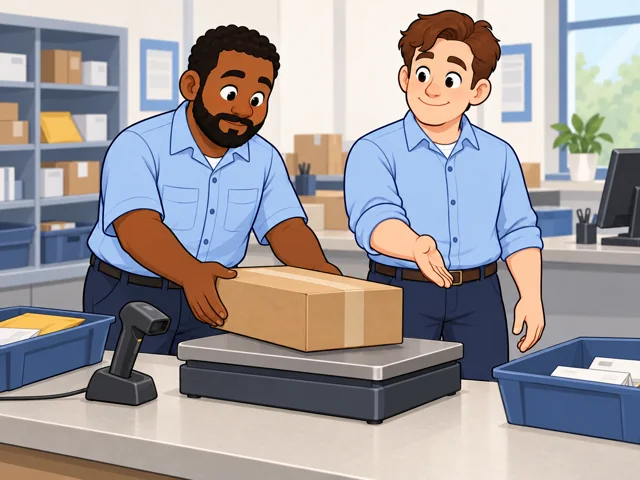
Show a new employee how a postal process works, watch them try it, and correct their mistakes.
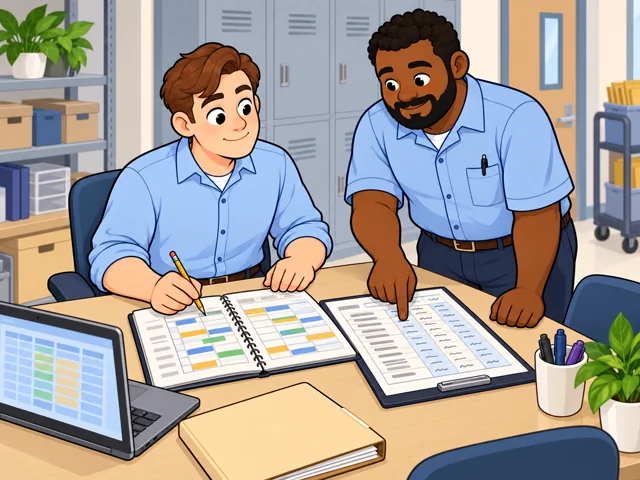
Compare staff schedules with attendance records so each person's pay matches the hours they actually worked.
United States
United States · May 2025
United States · 2025–2035
Quick orientation
Typical education for postmasters and mail superintendents. Management selection also requires demonstrated qualifications.
National median for postmasters and mail superintendents; hourly equivalent: $46.47.
Employment of postmasters and mail superintendents is projected to fall 0.3%, with about 900 openings annually.
Digital dashboards bring revenue, service performance, and customer experience measures together, helping you spot an office that needs attention.
You still decide how to adjust work and coach employees through problems.
As delivery routes move into larger centers, the balance of retail and delivery management can change substantially. Your future responsibilities depend partly on what happens to your office.
Pay in context
Separate national pay figures are not reported here for Postmaster alone; these figures cover postmasters and mail superintendents together.
The May 2025 median was $96,660 a year, equivalent to $46.47 an hour. The 10th-to-90th-percentile range was $85,090–$111,740 annually. These percentiles describe workers across the occupation, not starting and experienced salaries.
Employment is projected to decline 0.3% from 2025 to 2035, with about 900 openings per year on average. Openings can occur even when the total number of jobs barely changes.
Postal experience followed by supervisory work is a practical route toward postmaster selection. General United States Postal Service (USPS) entry requires age 18, or 16 with a high school diploma, eligible citizenship or residency status, and employment screening. Check each posting for its full requirements.
After entry
This starts where the entry routes leave off: early work, growing capability, and advancement or specialization.
Learn your office’s workload and budget, using job training to build confidence with unfamiliar responsibilities.
Use service reports to find recurring problems, coach employees, and check whether your changes improve results.
Postmaster experience can support a later move into district management, with broader responsibility. Further qualifications and competitive selection still apply.
You may move between managing employees and handling window transactions or mail distribution as workload requires.
Carrier routes from several offices come together here. The postmaster manages a larger concentration of delivery work and its staffing demands.
Retail service remains after carriers transfer to a delivery center. Your workload shifts, and coordinating responsibilities with the center becomes part of the adjustment.
Try it
Sketch a fictional post office morning: a counter queue, mail waiting for dispatch, and one absent employee. List what you would check before changing the schedule, then explain your first decision. Notice whether balancing service needs and people interests you.