
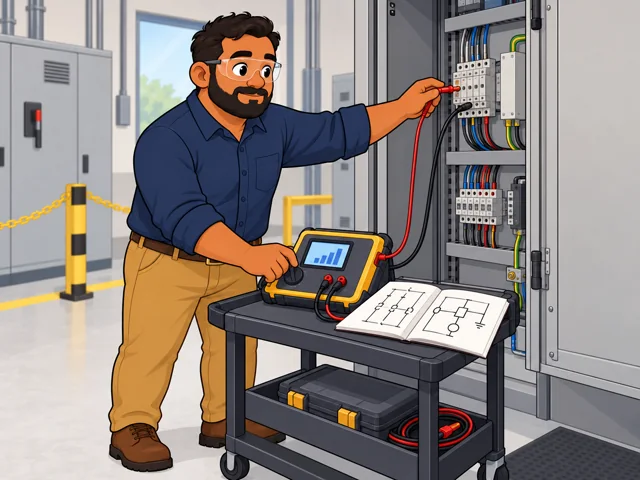
Test relays and cables for defects
Hook test sets and meters to relays, cables, insulation and circuits, using wiring diagrams to spot defects.
Career profile
Substation and relay technicians test, troubleshoot and repair power-control equipment in generating stations and substations.
Enjoy following a fault from a drawing to the actual part, then proving your answer before power returns? Here that methodical logic gets hands-on.
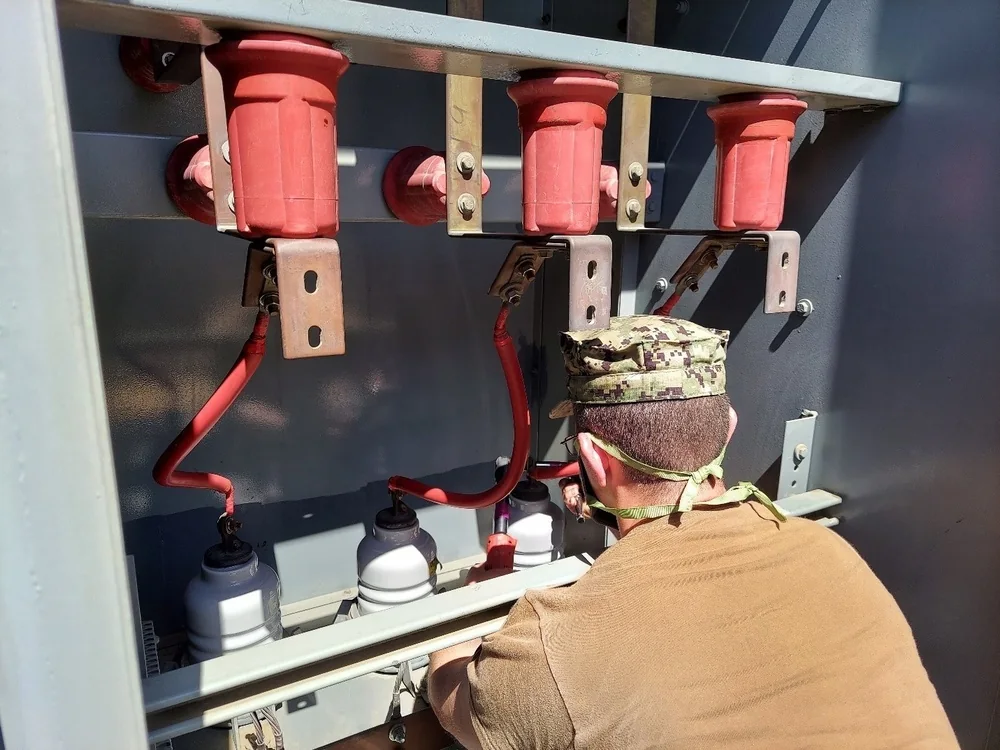
Hook test sets and meters to relays, cables, insulation and circuits, using wiring diagrams to spot defects.
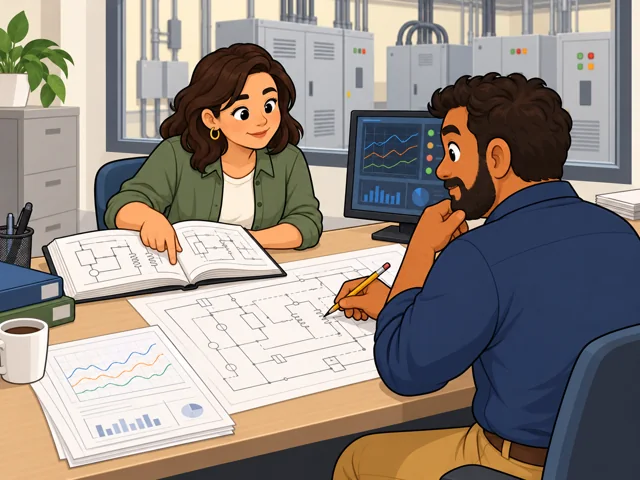
Set your readings against earlier results, operating conditions, manuals and schematics to locate the probable fault.
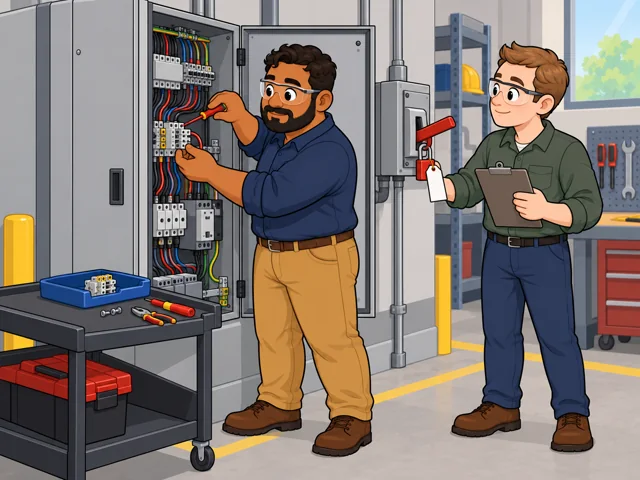
Arrange a shutdown or open switches first when required, then clean, adjust, calibrate, reconnect or replace faulty parts.
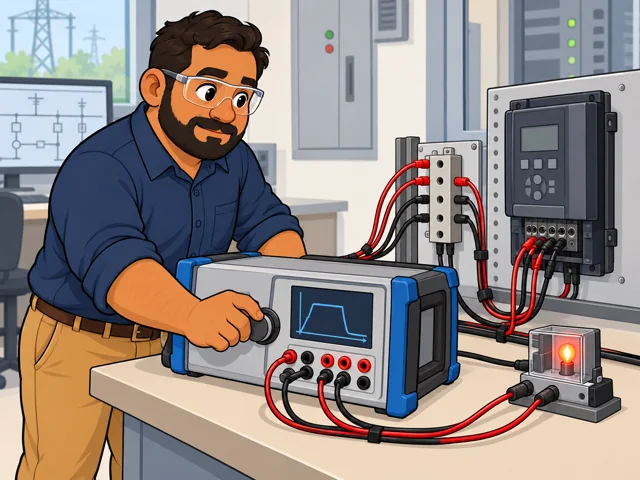
You build, maintain, repair or test the relay and control systems that watch conditions and trigger protective responses.
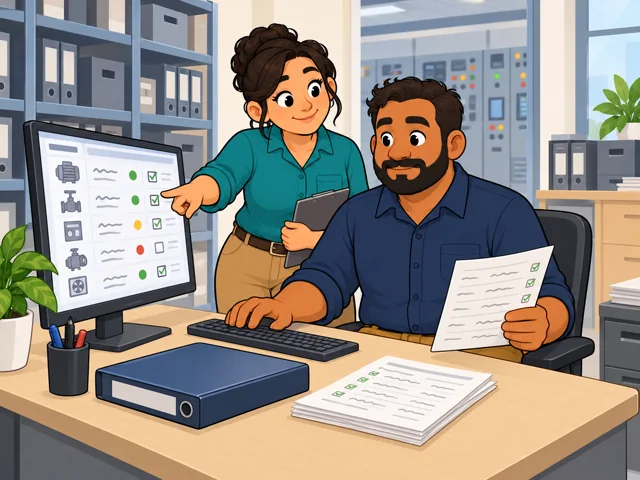
Record test values, cable results, repairs, maintenance and equipment status so later decisions start from trustworthy information.
United States · O*NET updated 2026
United States · May 2025
United States · 2025-2035
Quick orientation
Vocational training, related experience, or an associate degree is common. Specific preparation and post-hire training vary by employer and route.
National median annual wage for powerhouse, substation, and relay repairers; the corresponding hourly median was $49.53. A median is not a starting wage or guaranteed offer.
BLS projects employment in this work to rise from 20,900 to 22,900. Projections describe a national estimate, not local hiring.
Test-analysis software can organize readings, SCADA can show system status, digital records can preserve results, and drones can extend visual inspection to hard-to-reach equipment.
Technicians still plan safe isolation, interpret readings in context, choose and complete repairs, coordinate shutdowns, and verify equipment before return to service.
Tool adoption will differ by employer and equipment. Current BLS projections still show growth for the occupation, but they cannot predict which tools or task mixes a particular workplace will adopt.
Pay in context
The clearest national benchmark is the occupation-specific median, which describes the middle worker—not a beginner's expected offer.
The median was $49.53 an hour, or $103,020 a year. Half of workers in this occupation earned more and half earned less.
In May 2025, the 10th-percentile annual wage was $65,730 and the 90th-percentile wage was $129,920. These are wage percentiles, not starting and senior salaries.
Entry requirements differ by employer. Compare a paid apprenticeship with building an electronics foundation or bringing related electrician experience.
After entry
This starts where the entry routes leave off: early work, growing capability, and advancement or specialization.
After hiring, learn the employer's safety rules, equipment, drawings, test methods, and records through formal instruction, hands-on work, and shadowing an experienced technician.
Take on more testing, fault isolation, component work, and post-repair verification across the systems used at your site.
Deepen your work in protective relays and controls, substation equipment, generating-station systems, calibration, or coordination of complex tests and repairs.
Maintain and test electrical equipment within operating power facilities, where coordination, noise control, protective gear, and precise shutdown procedures matter.
Inspect and repair transformers, breakers, regulators, cables, and related equipment at field sites that may expose you to weather and require travel.
Test protective relays, wiring, control systems, and recorded signals in equipment rooms, shops, or lab-like spaces where detailed diagrams and test data drive the work.
Try the reasoning
Ask an electrical instructor for a beginner circuit or relay worksheet that includes a diagram, labeled readings, and a worked answer. Before viewing the answer, spot the first reading that differs from the expected value, trace its path to the likely fault, and write a two-sentence handoff naming the result and next check. Notice whether you enjoy both the fault tracing and the careful record.
Stay safe: Keep this exercise to paper or simulation. Do not open or test real electrical equipment.