
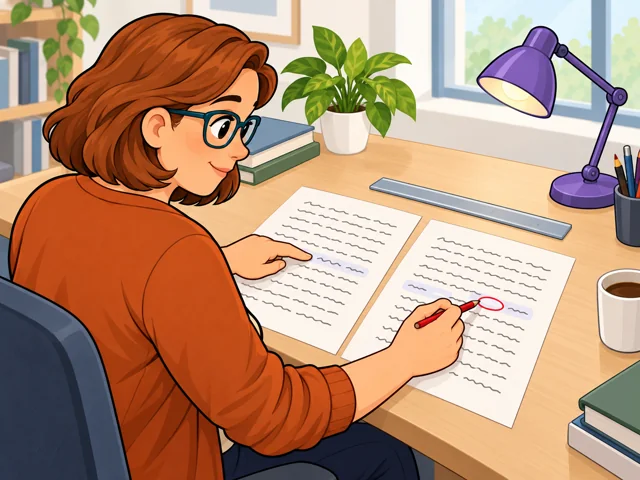
Match the proof to the copy
Lay the proof beside the source copy and flag any dropped word or figure that no longer matches.
Career profile
Proofreaders catch errors left in the wording and page layout before the material reaches readers.
A finished-looking page can still hide one wrong figure. Proofreaders find where things disagree and mark each fix so it is easy to follow.

Lay the proof beside the source copy and flag any dropped word or figure that no longer matches.
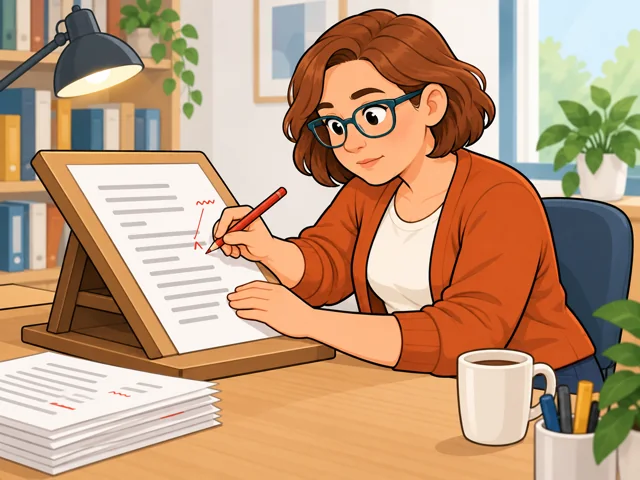
You mark the exact spot where a spelling or punctuation fix goes, with proofreading marks or file comments.
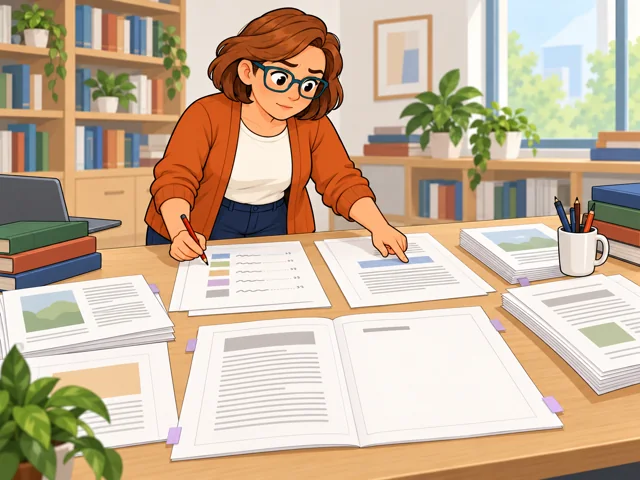
On books, flag bad page breaks and match the contents page against the chapter titles and page numbers.

Open the updated file next to your marked-up copy and confirm each requested fix was actually made.
United States · 2026
United States · May 2025
United States · 2025–2035
Quick orientation
Employer requirements vary; relevant experience can also count.
Median employee wage, equivalent to $24.58/hour, for proofreaders and copy markers.
Employment projection for proofreaders and copy markers; about 1,100 openings annually.
Tools such as Microsoft Editor flag spelling and grammar issues and suggest wording changes.
You decide which suggestions fit the document and check the proof against its source.
How much checking employers will automate, and how much time people will spend reviewing software suggestions, remains uncertain.
Pay in context
The national figures cover proofreaders and copy markers together.
The median was $51,120 a year, or $24.58 an hour. The 10th–90th percentile range was $34,510–$79,290 annually. Those endpoints describe the wage distribution, not starting pay and a promised later salary.
In legal-document services, relevant experience, software skills, location, and shift can influence pay. Compare the actual hours and duties alongside the rate.
Employment is projected to decrease 0.9% from 2025 to 2035, with about 1,100 openings per year on average. Openings can occur as people leave an occupation even when its total employment does not grow.
Plan to demonstrate accurate work as well as meet the employer's education and experience requirements.
After entry
This starts where the entry routes leave off: early work, growing capability, and advancement or specialization.
Learn the correction workflow and return clear, consistent marks.
In publishing, develop skill with illustrated nonfiction, such as cookbooks, where text and visual elements must work together.
With broader publishing experience, you could pursue production editing: coordinating schedules, combining corrections, and assessing freelance proofreaders' work.
Your pages move through a production editorial team toward printing. Freelance proofreaders contribute alongside copy editors and typesetters, with handoffs tied to the book's schedule.
You handle confidential documents with a document-services team and respond to client deadlines. Some jobs have evening shifts.
Try it
Make a copy of a one-page document you wrote. Ask someone to introduce a few errors, including a changed number and a missing word. Compare it with the original, mark corrections, then check the corrected version. Notice whether careful comparison holds your interest.