
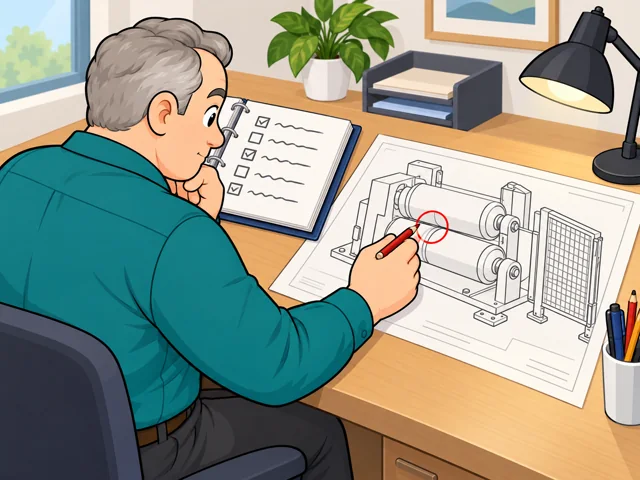
Flag hazards in machine plans
Compare plans for an unbuilt machine with safety rules and flag dangers so the designer can address them.
Career profile
Safety engineers spot injury risks in machines and products, then help change design or use.
Which problems should get fixed? You answer that by combining plans, accident reports and what workers have noticed on the job.
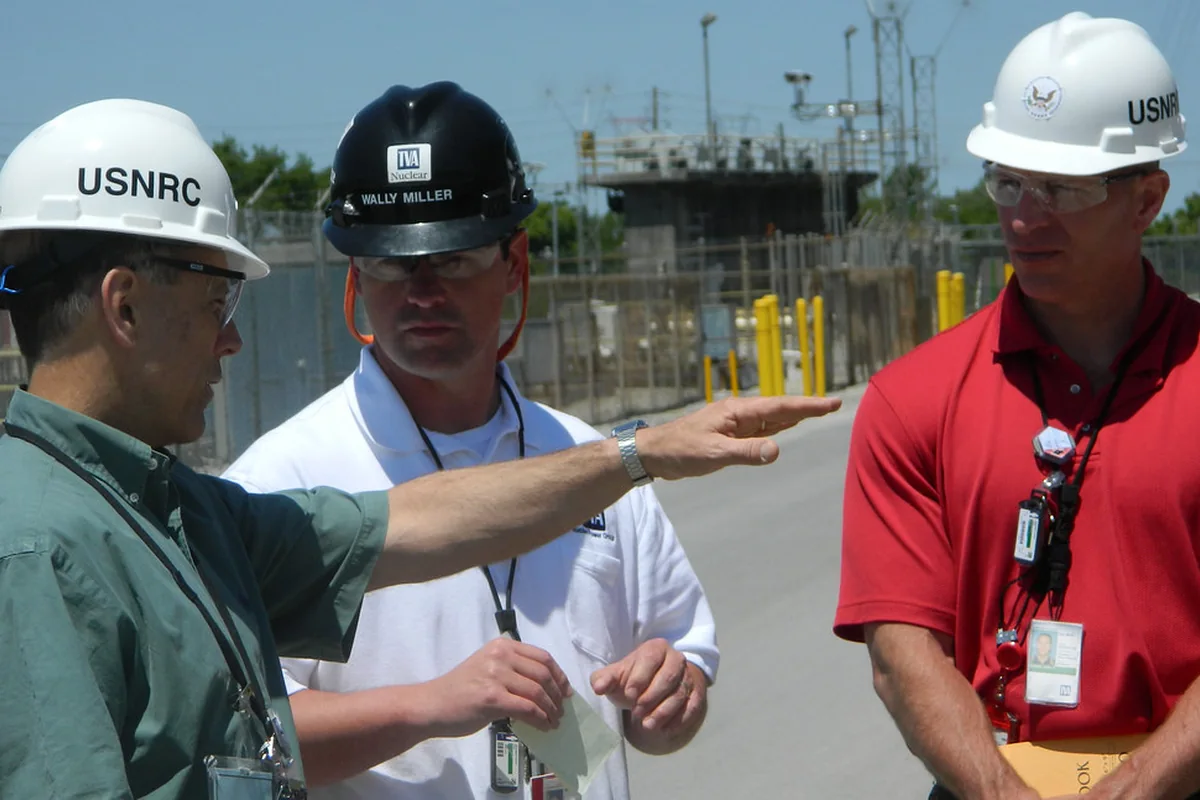
Compare plans for an unbuilt machine with safety rules and flag dangers so the designer can address them.
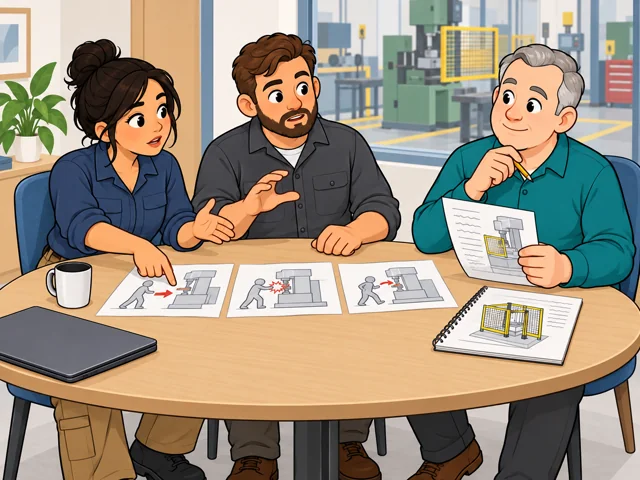
You read the accident report and question staff, then work out causes and changes that prevent a repeat.
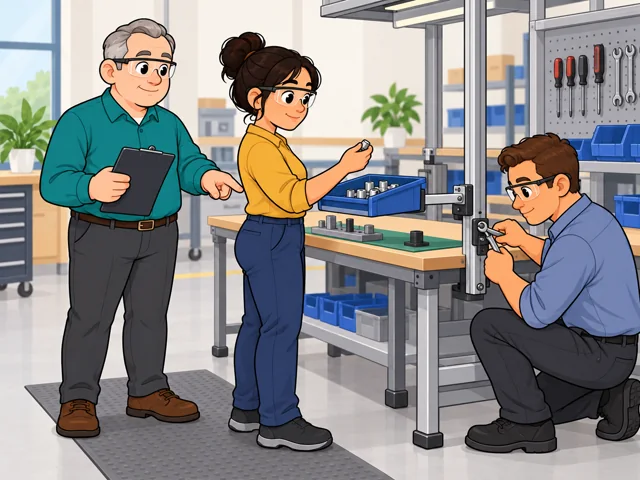
Where a task means awkward stretching, join the repair crew and line workers to make that station safer.

In aviation safety jobs, model linked systems in software to see how one failure could turn dangerous.
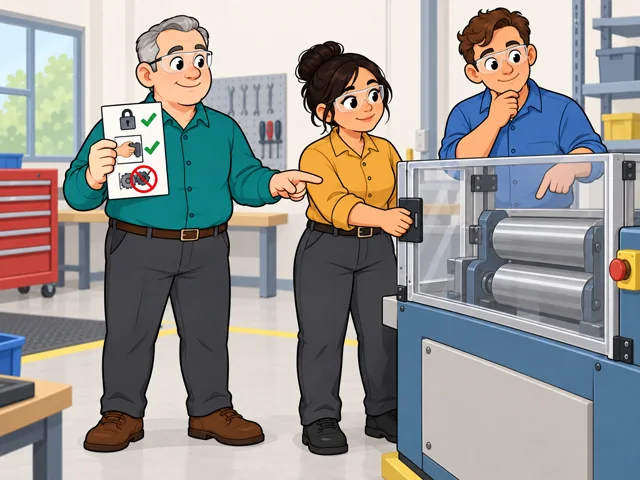
Walk each worker through the updated procedure in turn and talk over which danger the change targets.
United States
United States · May 2025
United States · 2025–2035
Quick orientation
Typically engineering or a related field.
May 2025 annual wages; $55.36 an hour.
About 1,200 openings annually, averaged over 2025–2035.
Software that finds patterns in sensor readings or images—an application of artificial intelligence (AI)—can help flag exposures and unsafe conditions.
Safety professionals still need to evaluate whether a tool's output supports a safe decision, working with developers when the system itself creates risks.
How much monitoring and risk assessment can be delegated depends on whether these tools work reliably in real workplaces. Errors and intrusive worker tracking can introduce new problems.
Pay in context
Your location, experience, and employer can affect your pay.
The May 2025 median was $115,160 a year, or $55.36 an hour. The lowest-paid 10% earned $68,420 or less; the highest-paid 10% earned $171,250 or more. These describe the workforce, not starting and senior salaries.
Annual medians were $116,050 in manufacturing, $113,690 in engineering services, and $103,450 in construction. These compare different groups of workers.
Employment is projected to grow 5.4% from 2025 to 2035. About 1,200 annual openings include jobs left by people changing occupations or leaving the workforce.
Engineering licensure generally is not required for entry-level jobs. Practical experience during college can help.
After entry
This starts where the entry routes leave off: early work, growing capability, and advancement or specialization.
Learn the equipment and work routines at your site. Practice recording hazards clearly enough for someone else to act.
Develop toward handling a safety improvement from the initial assessment through equipment changes, worker training, and follow-up.
With experience, you may lead a factory's safety programs and mentor other safety staff.
You work closely with production and maintenance staff. Equipment modifications and workstation layouts connect your analysis to the factory floor.
The focus is how aircraft systems behave together. You examine models and incident data, then coordinate findings with design teams and safety review boards.
Try it
Sketch a stapler from a photo. Mark where a finger could reach moving parts, then draw a change that blocks that contact while keeping it usable. Explain one drawback of your change. Notice whether you enjoy turning a possible injury into a design question.
Stay safe: Keep this on paper; do not modify or test a stapler.