
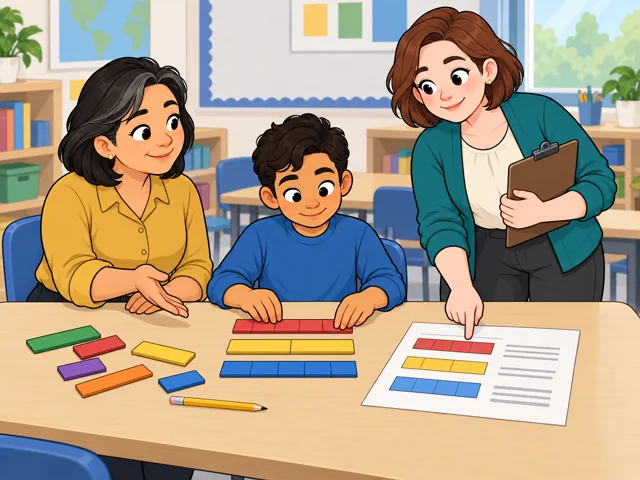
Sit in on a teacher's class
Watch a lesson, look through its materials, and discuss with the teacher what could help students follow it.
Career profile
School administrators run school or district programs, backing teachers and handling money, supplies and staff.
Classrooms short on adults and a budget stretched thin call for a decision. Administrators share in making it and explain it to everyone affected.
Watch a lesson, look through its materials, and discuss with the teacher what could help students follow it.
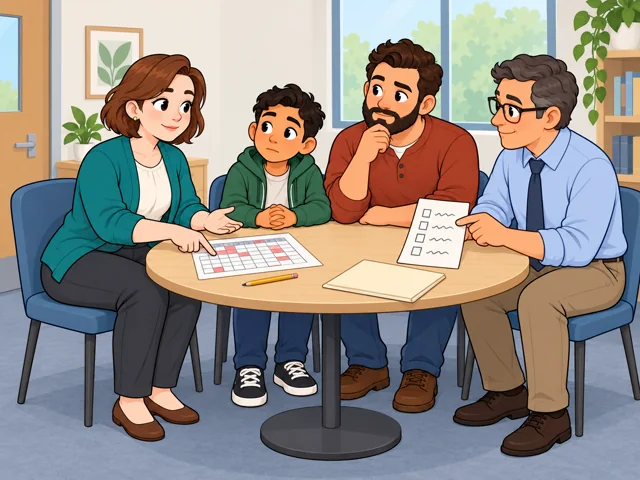
Meet with the student, family and staff, learn why days were missed, and tell everyone what's next.
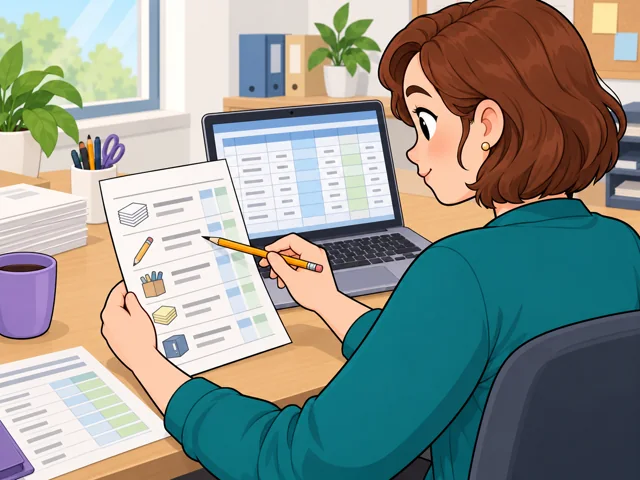
Check a supply request against the budget spreadsheet before you approve it or ask for something cheaper.
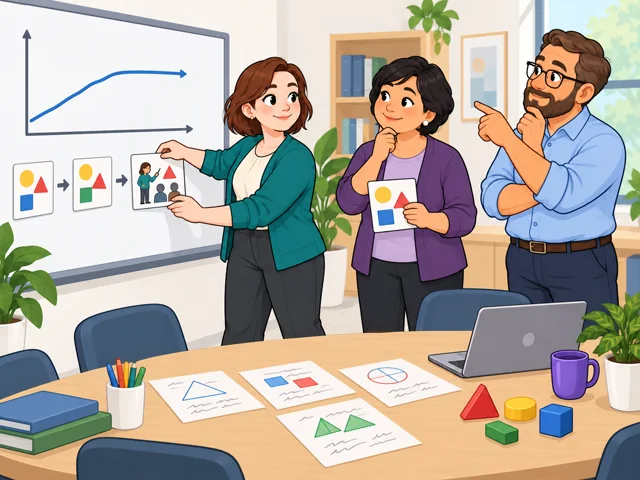
Review progress with teachers, and if students stall, revise the improvement plan and arrange targeted staff training.
United States · 2025
United States · 2025
United States · 2025–2035
Quick orientation
Typical preparation includes a master’s degree and five or more years in related work.
2025 median for kindergarten through secondary education administrators. Pay is reported annually, without an hourly rate.
Employment is projected to decline 0.3% from 2025 to 2035, with about 20,600 openings annually.
Student-record software organizes attendance and results. Tools that generate content or recognize patterns—artificial intelligence (AI)—can also support instructional planning.
You decide which tools fit the school, involve teachers in their use, and judge whether changes help students learn.
How much AI will reduce planning work depends on its reliability and the checking it requires. New tools may also add work: choosing them, training staff, and revising school practices.
Pay in context
The national median is $105,870 a year, not a starting salary. The principal figures below show how widely earnings can vary.
The lowest-paid 10% earned under $76,280; the highest-paid 10% earned over $167,770. These are wage percentiles, not beginner and veteran salaries.
Principal median annual pay was $107,860 in local-government elementary and secondary schools and $98,020 in private schools.
Across kindergarten through secondary administration, projected employment falls 0.3%, but about 20,600 openings are expected annually. Openings include replacement needs, not just new positions.
This is usually a later step in an education career. Build experience before moving into responsibility for other staff and school operations.
After entry
This starts where the entry routes leave off: early work, growing capability, and advancement or specialization.
Learn the school’s routines and records. Make staff assignments, spending checks, and promised follow-ups dependable.
Take an improvement effort from student results to staff learning, then check whether the changes are working.
Move from assistant principal to principal, or toward district leadership supporting several schools. Further education may be required.
You work close to classrooms and families, while coordinating custodians, office staff, and after-school activities. Building problems compete with instructional priorities.
Some administrators support and evaluate principals across several schools. You work with finance, curriculum, and student-support staff to coordinate budgets and programs beyond one building.
Try it
Sketch a fictional after-school schedule: four clubs, two rooms, and three staff members, with one room unavailable on Tuesday. Allocate space and coverage, then write a short explanation for the club that must change days. Notice whether balancing needs and explaining the tradeoff interests you.