
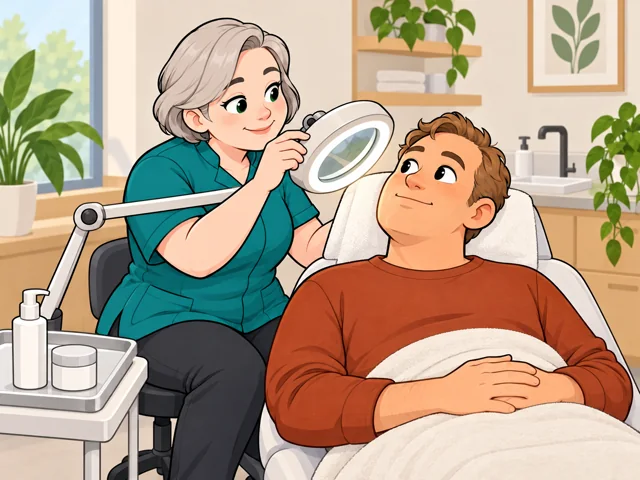
Study skin under a magnifying lamp
Look over the client's skin under a magnifying lamp, then talk through which products would suit it.
Career profile
Skincare specialists give facial treatments and teach clients how to care for their own skin.
Working close to a client, you spot tiny details. Afterward, you turn them into plain advice the person can follow at home.
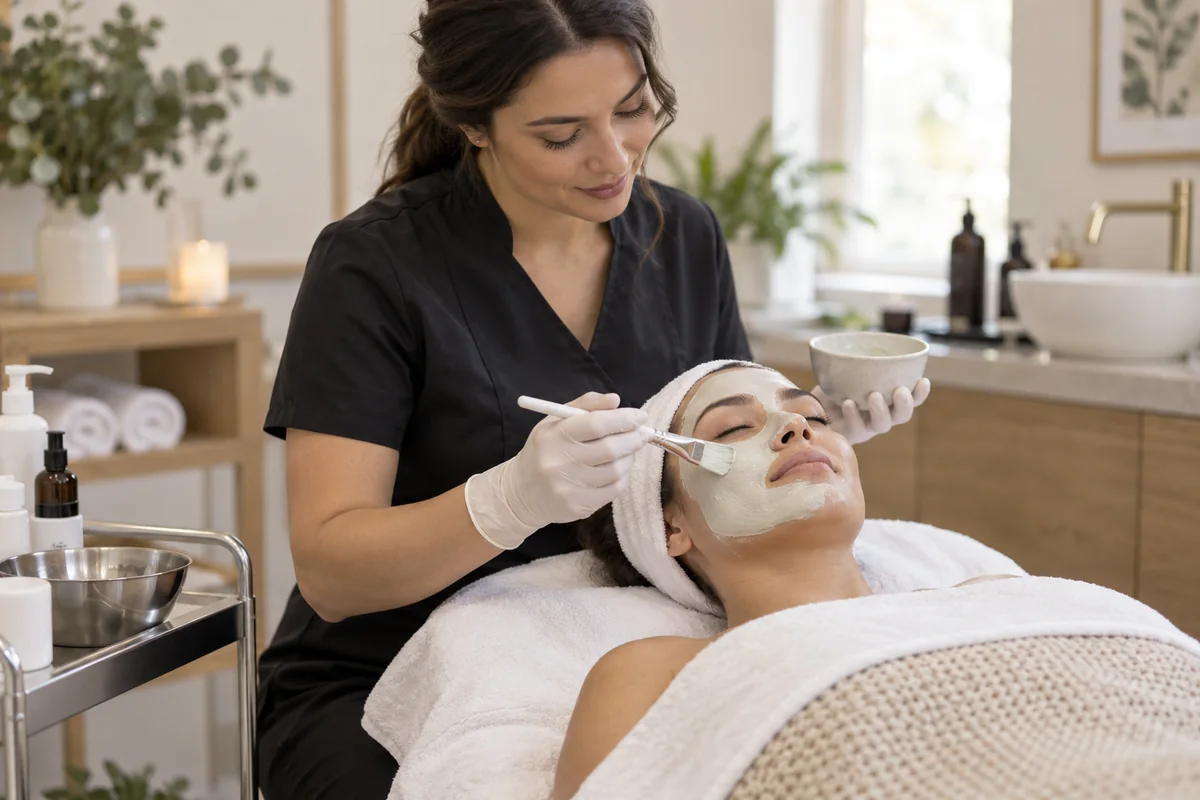
Look over the client's skin under a magnifying lamp, then talk through which products would suit it.
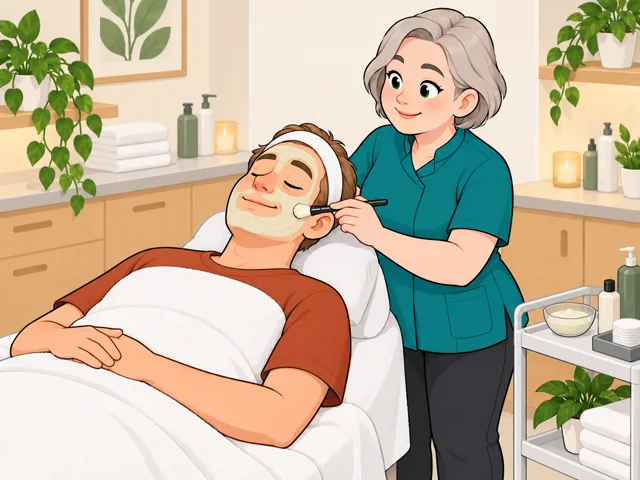
Wash the client's face first, then apply a mask chosen to match their skin.
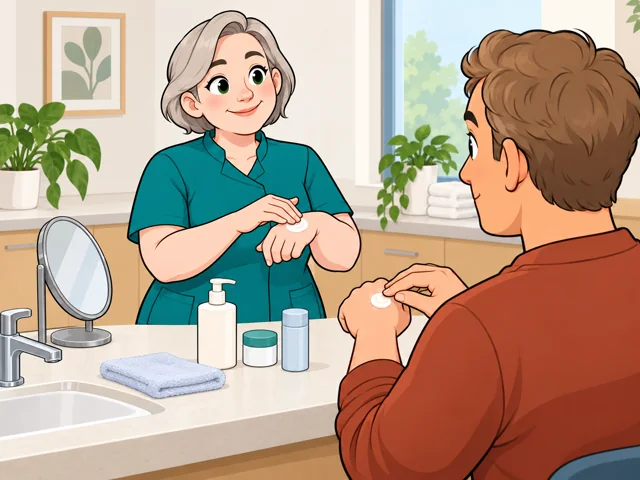
Show the client how to wash their face and put on the products you recommend.
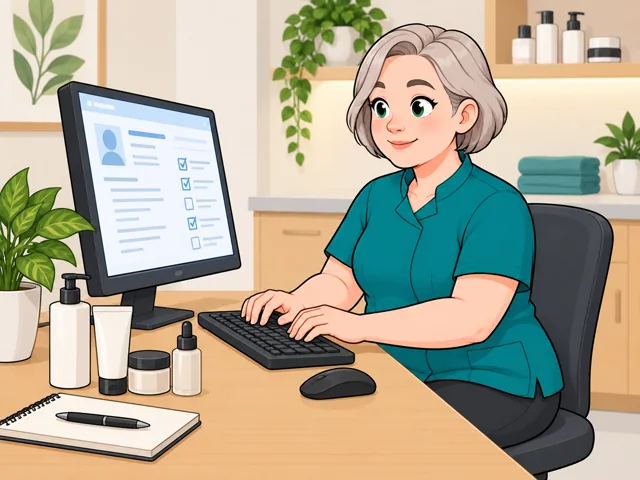
Write down which products you used and what the client likes, ready for their next appointment.
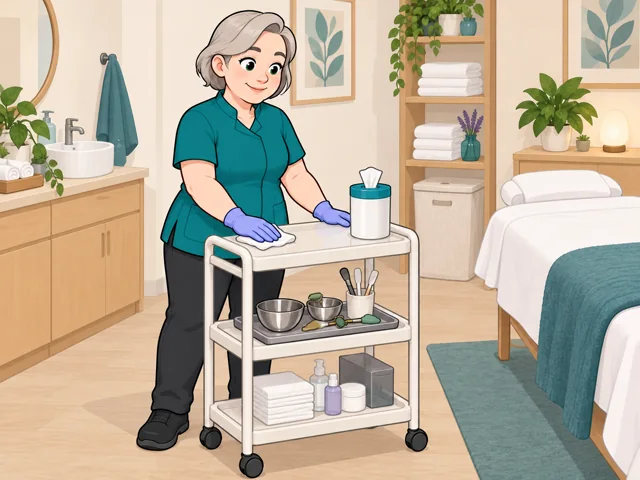
Wash and disinfect your instruments and work areas and swap used linens before another client arrives.
United States
United States · May 2025
United States · 2025–2035
Quick orientation
Usually, you complete an esthetics program and pass state licensing exams.
National median; about $45,330 at a full-time, year-round schedule.
About 14,200 openings annually, including replacement openings.
Spa software helps store and retrieve client records.
You examine skin, choose products, and perform the hands-on treatment.
How much software will take over personalized product advice remains uncertain.
Pay in context
Compare the hourly rate and paid hours together. An annual equivalent assumes 2,080 hours of work.
The median was $21.79 an hour, or $45,330 annually. The 10th and 90th percentiles were $14.22 and $39.45 hourly—$29,580 and $82,050 annually. These are wage percentiles, not beginner and experienced pay rates.
Hourly medians were $24.81 in physicians' offices, $21.75 in traveler accommodation, $21.10 in personal care services, and $20.15 in health and personal care retail.
Some spas combine base pay with tips and commissions. Ask what you earn during unbooked time. National wage estimates include tips and commissions but exclude self-employed business income.
Check your state's licensing board before choosing training. Required hours, exams, and accepted routes vary.
After entry
This starts where the entry routes leave off: early work, growing capability, and advancement or specialization. This path also has a credential or licensing boundary; see the requirements and limits.
Build a reliable appointment routine: consultation, treatment, cleanup, and a useful client record.
Use post-license courses to learn new products and refine treatments.
Ownership adds finding clients, ordering stock, advertising, and keeping business records.
Some locations provide supplies and mentorship while expecting you to sell products and encourage rebooking. Sales targets can be part of the job.
You handle appointments and treatments while also finding clients and managing supplies and business records.
Try it
Choose a cleanser label you already have. Explain its directions in plain language, then make a mock client card with questions about their current routine and preferences. Notice whether you enjoy both explaining and recording details.
Stay safe: Keep this a paper exercise; do not diagnose skin problems or test treatments on someone.