
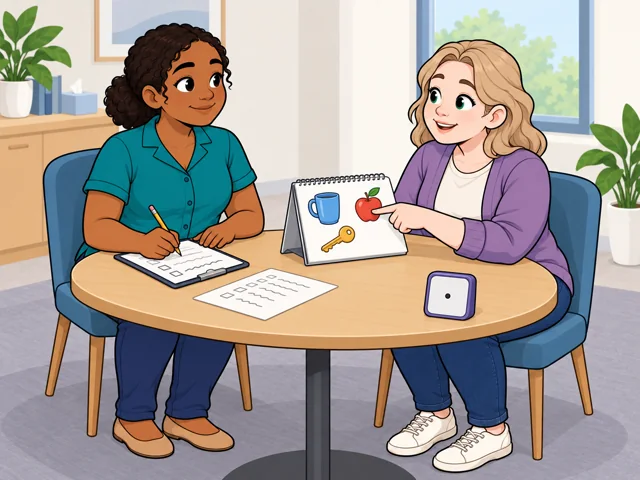
Evaluate a client's communication
Gather their history, listen and watch closely, give fitting tests, then pull findings into a diagnosis and advice.
Career profile
Speech-language pathologists find and treat trouble with speech, language, voice, fluency, communication and swallowing.
One day might mean assessing a child's language, helping an adult communicate after a stroke, or studying someone's swallowing trouble. The mix isn't fixed.
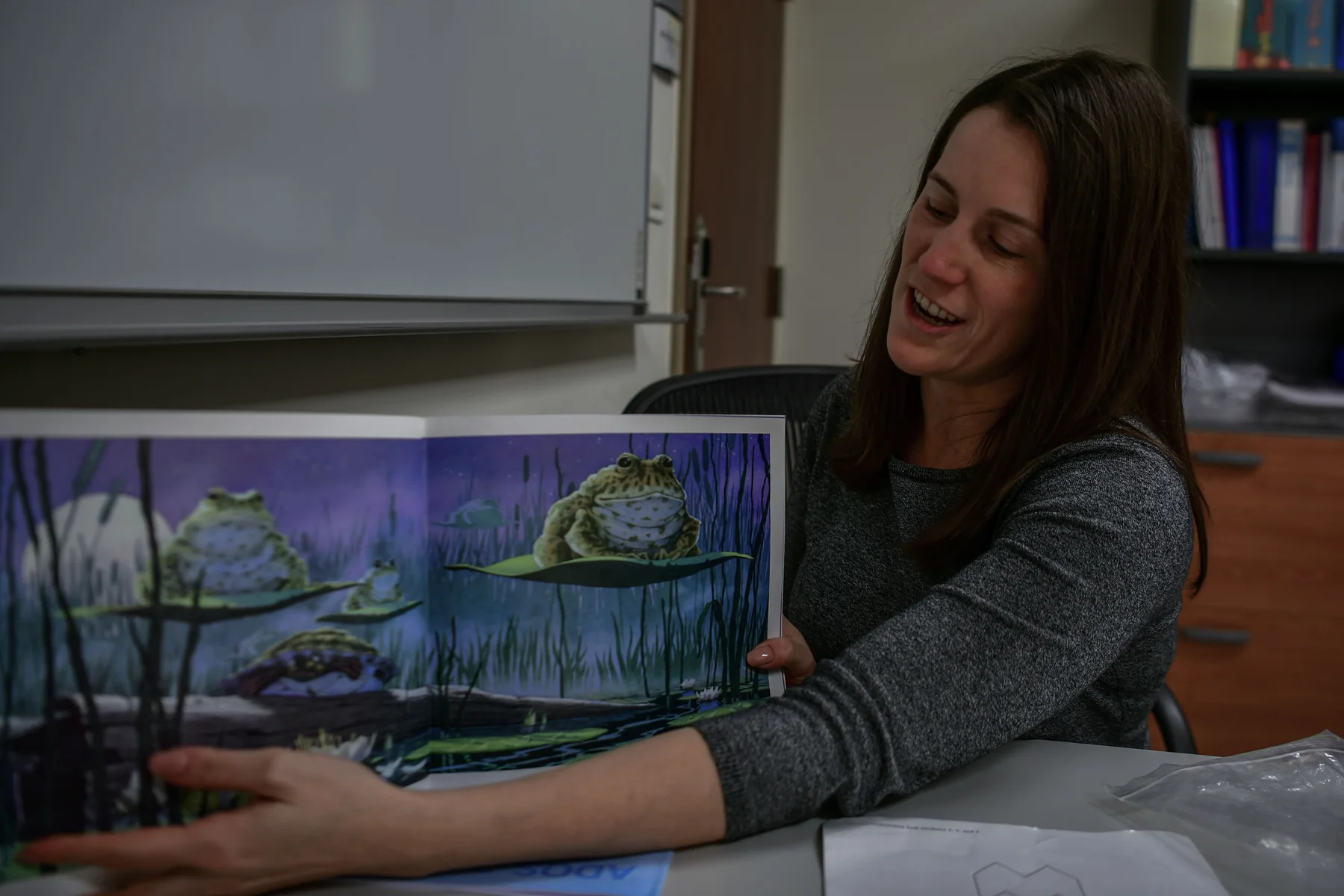
Gather their history, listen and watch closely, give fitting tests, then pull findings into a diagnosis and advice.

Model a sound, word, sentence or conversation skill, then swap the prompt or exercise if progress stalls.
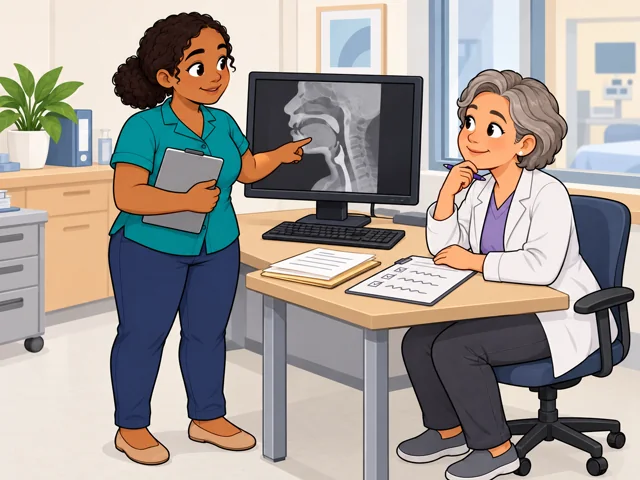
Some roles have you read medical records and swallow tests, then plan care with medical staff.

Teach the client and caregivers, reworking the setup if reaching or using it fails or messages get lost.
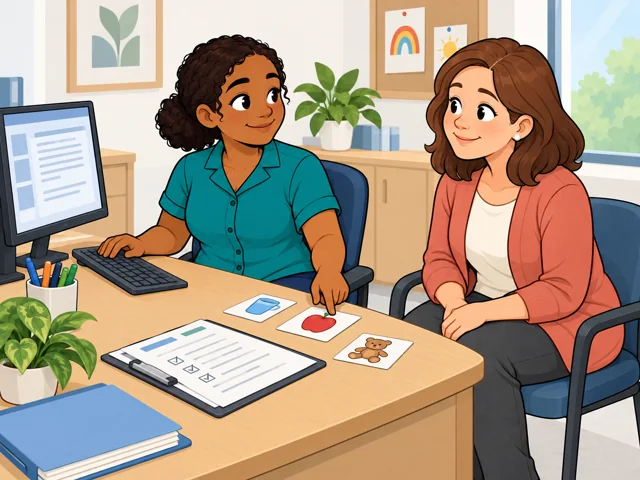
Write evaluation and progress notes, revise the treatment plan, and share next steps with families, clinicians or teachers.
United States
United States · May 2025
United States · 2025–2035
Quick orientation
Typical entry preparation includes a master's degree, supervised clinical work, and a state license; exact requirements vary by state and setting.
National median annual wage for speech-language pathologists in May 2025.
Projected employment growth from 2025 to 2035, with about 12,500 openings per year on average nationwide.
Communication apps, digital records, and video platforms can support alternative communication, documentation, remote sessions, and the sharing of practice activities.
The SLP still decides which assessment or treatment fits the person, interprets performance, changes the plan, and coordinates with families and other professionals.
Remote tools do not fit every client or task. Technology access can be a barrier, and some goals need in-person or hands-on support.
Pay in context
Pay varies with setting, location, schedule, experience, and responsibility. National figures are useful reference points, not promised offers.
The median annual wage was $97,870: half of workers earned more and half earned less. This is not an entry-level figure. The median hourly wage was $47.05.
In May 2025, the 10th-percentile annual wage was $62,900 and the 90th-percentile wage was $134,160. These are wage percentiles, not starting and senior salaries.
Among industries BLS listed, median annual wages were $83,120 in educational services and $109,660 in nursing and residential care facilities. These industry medians do not adjust for different calendars, hours, benefits, or experience.
The usual path combines graduate education and supervised clinical practice. Professional certification and state permission to practice are related but separate.
After entry
This starts where the entry routes leave off: early work, growing capability, and advancement or specialization. This path also has a credential or licensing boundary; see the requirements and limits.
During the Clinical Fellowship, use your mentor's observations and record reviews to strengthen evaluations, treatment decisions, documentation, and case management.
Once authorized for your role, take fuller responsibility for choosing assessments, interpreting results, managing a caseload, and knowing when to consult or refer.
Develop deeper experience with an age group or area such as child language, fluency, voice, alternative communication, or swallowing; experienced SLPs may also supervise students or assistants.
Serve students individually, in groups, or in classrooms while coordinating with teachers and families. The schedule also includes evaluations, IEP work, progress records, and sometimes travel between schools.
Work with medical teams on communication, cognition, and swallowing problems connected with stroke, injury, surgery, developmental conditions, or other diagnoses.
See scheduled clients in an office or through suitable telepractice services. Practice owners also handle records, billing, regulations, and other business work.
Try it
Make a six-picture communication board for one simple request, such as choosing a snack or activity. Ask a willing partner to communicate only with the board, note where the choices or meanings fail, and revise it. Notice whether close observation and redesign hold your attention.
Stay safe: Treat this only as a design exercise, not as an assessment or therapy activity.