
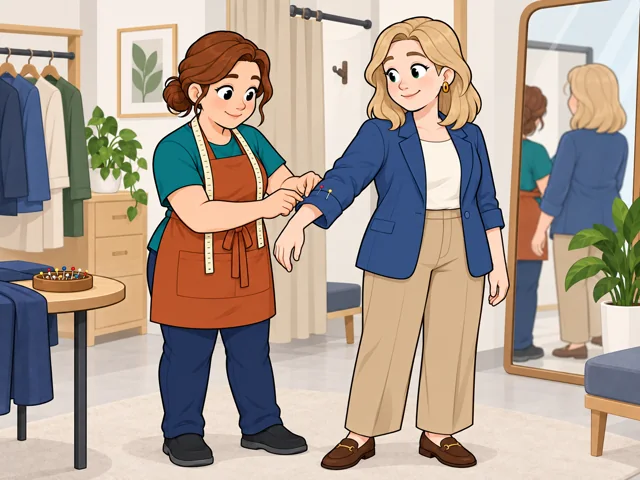
Measure and pin new lengths
Take the customer's measurements with a tape measure, then pin sleeves or trouser legs at the new length.
Career profile
Tailors make new clothes, mend existing ones and alter each piece to fit its wearer.
Change a hem even slightly and the whole garment can hang differently. So you settle on the alteration first and stitch it afterward.
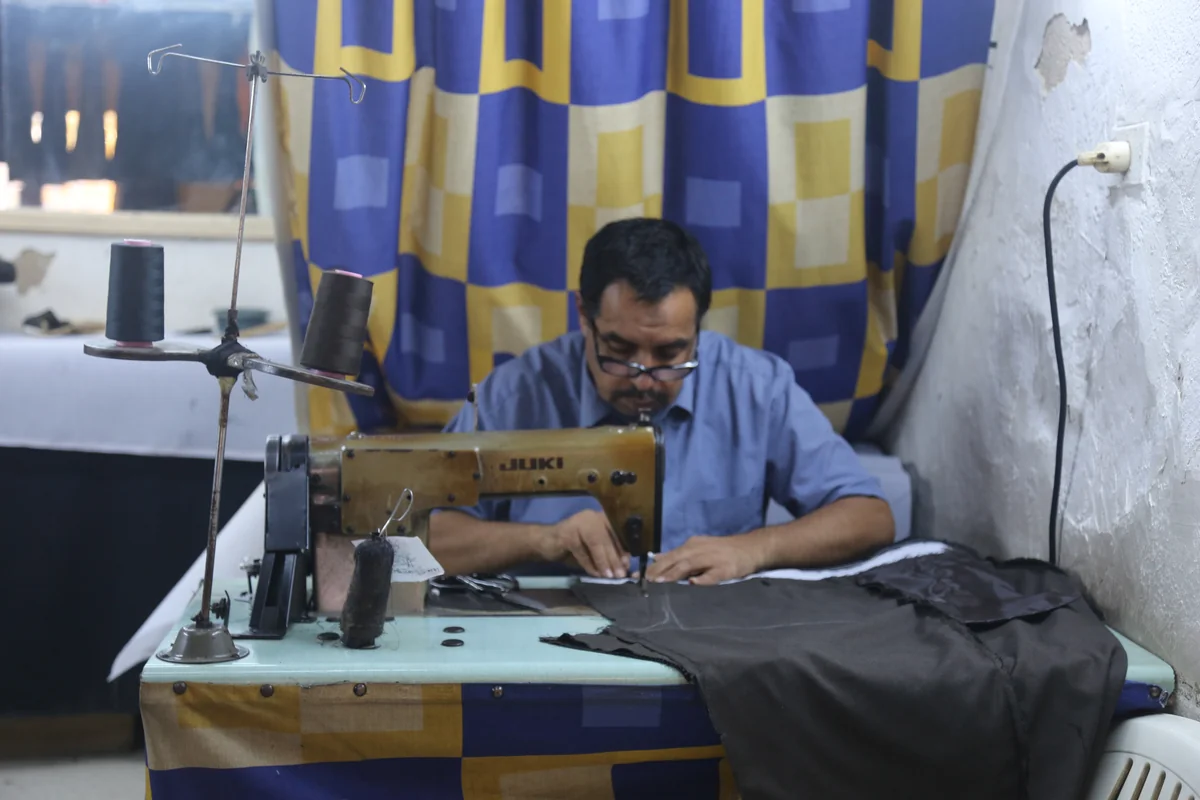
Take the customer's measurements with a tape measure, then pin sleeves or trouser legs at the new length.
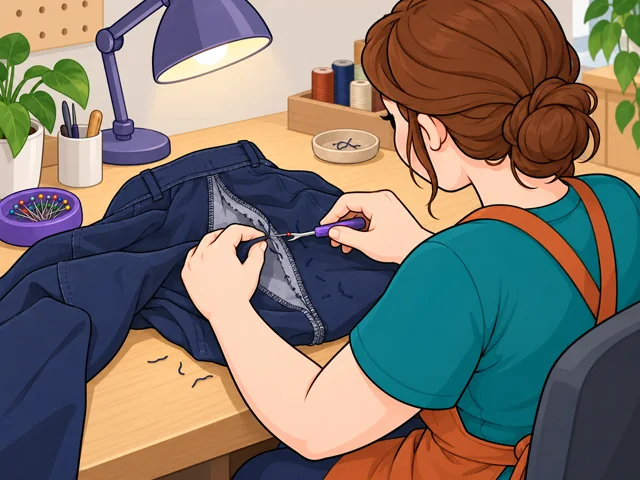
Before taking a garment in or letting it out, pull out the old stitching with a seam ripper.
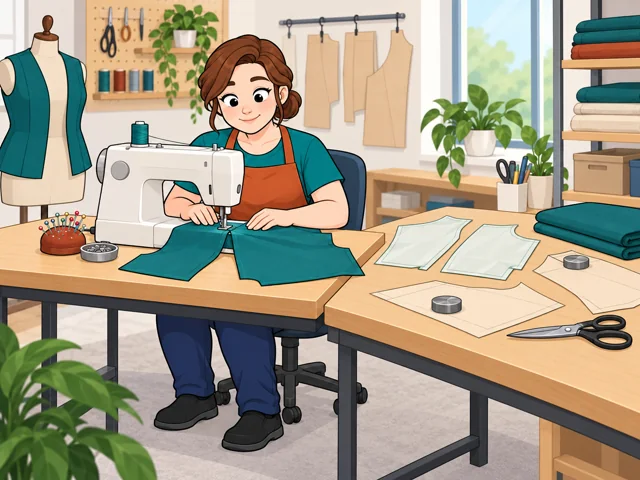
In custom jobs, cut pieces from a pattern and machine-sew them, minding the order for linings and edges.
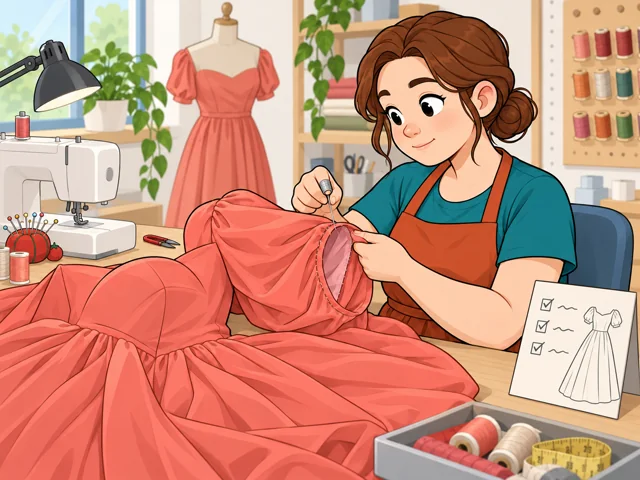
Following the fitting's alteration card, resize a dress or add sleeves, switching between machine sewing and hand finishing.
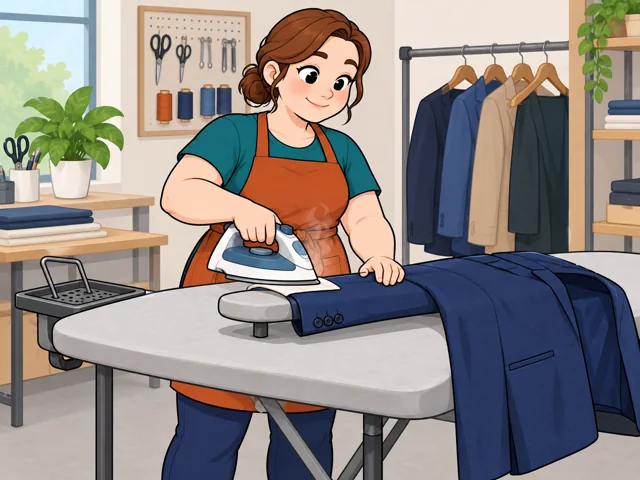
Press the garment flat with an iron or pressing equipment, finishing the sewn areas for a smooth look.
United States · 2025
United States · 2025
United States · 2025–2035
Quick orientation
Typical entry requires no formal educational credential, followed by on-the-job training. Employers can set additional requirements.
The national median for tailors, dressmakers, and custom sewers is about $20.02 an hour.
Employment is projected to shrink, with about 3,700 openings a year across the occupation.
Garment-design software can help with designs; shop software can organize customer records and orders.
You still judge fit and carry out detailed changes in fabric.
How much future equipment can take over one-off fitting and fabric handling remains uncertain.
Pay in context
Use the national figures for orientation, then compare the actual role, location, and experience requirements.
In 2025, the national median was $41,640 a year—about $20.02 an hour using 2,080 hours. The lowest-paid 10% earned $29,920 or less; the highest-paid 10% earned $63,670 or more. These are wage percentiles, not beginner and expert rates.
Walt Disney World costume construction in Florida lists $19.25 an hour to start. Monique Lhuillier's New York luxury alterations role lists $25–$30 an hour and requires at least five years of relevant sewing experience. These are specific employer rates, not averages for either setting.
Employment is projected to fall 8.8% from 2025 to 2035. About 3,700 openings a year are still projected as workers leave the occupation. That is a national annual average, not a count of jobs available today.
Workplace training is a usual route. A focused sewing program can also prepare you for tailoring work.
After entry
This starts where the entry routes leave off: early work, growing capability, and advancement or specialization.
Make your stitching and pressing reliable, and learn to turn alteration instructions into a neatly finished garment.
Build from trousers and vests toward jackets and coats, learning how different fabrics behave during construction.
Build expertise in bridal alterations, including lace and beadwork, or move toward constructing and repairing performance costumes.
In a luxury gown workroom, delicate lace, silk, and beadwork require careful handling. A fitting manager may specify the changes while you concentrate on completing each garment.
You work with patternmakers and specification sheets to build and repair costumes, sometimes using foam or vinyl alongside fabric. Industrial machines, physical handling, and shifts covering nights or holidays can shape the day.
Try it
Try two hem lengths on an old pair of trousers. Fold each leg to a different length, secure the folds with sewing clips, and compare how they hang in a mirror. Notice whether you enjoy spotting small differences and adjusting them.
Stay safe: Use a garment you own, and leave the fabric uncut so you can undo the experiment.