
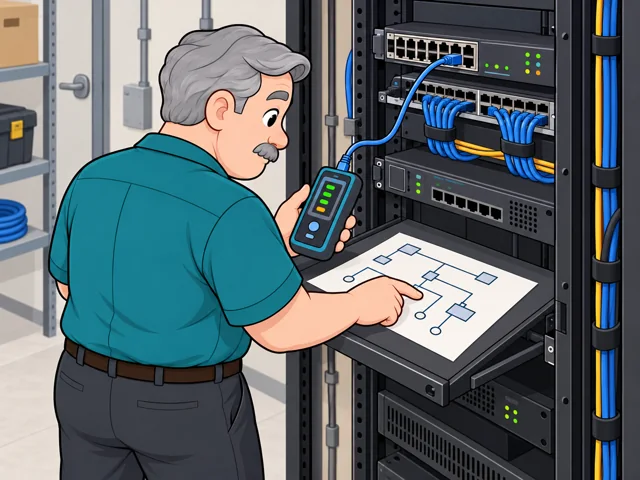
Match meter readings to schematics
Hold your test meter's readings up against the wiring schematic to find exactly where the fault sits.
Career profile
Telecommunications technicians set up and repair the equipment behind television, phone, and internet service.
A dropped link is where the job begins. From there, you trace backward until you find the piece of equipment at fault.
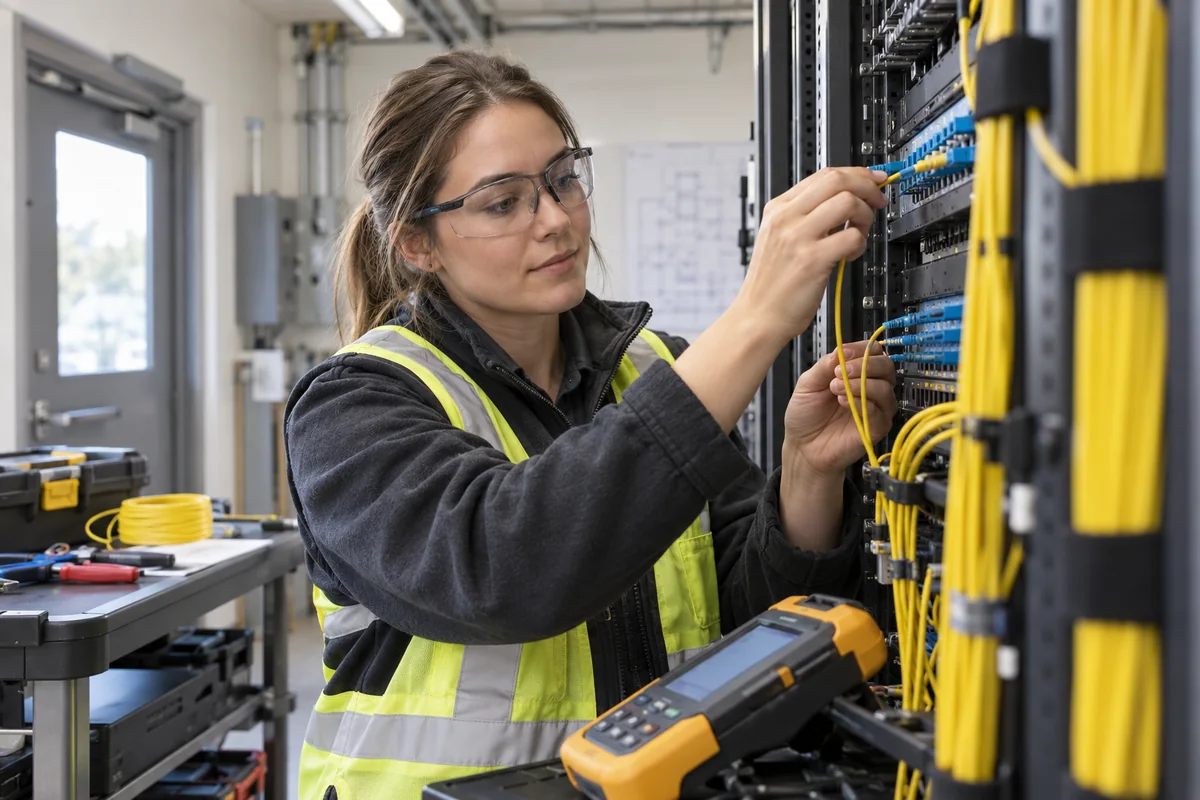
Hold your test meter's readings up against the wiring schematic to find exactly where the fault sits.
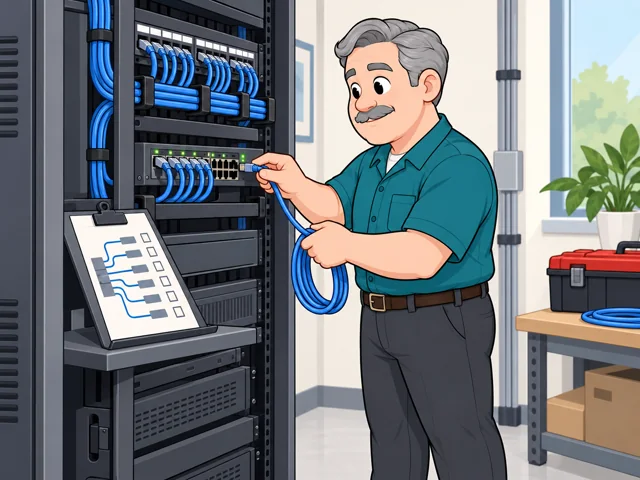
Connect cables to the switches for new equipment as your work order lists, and check each hookup.
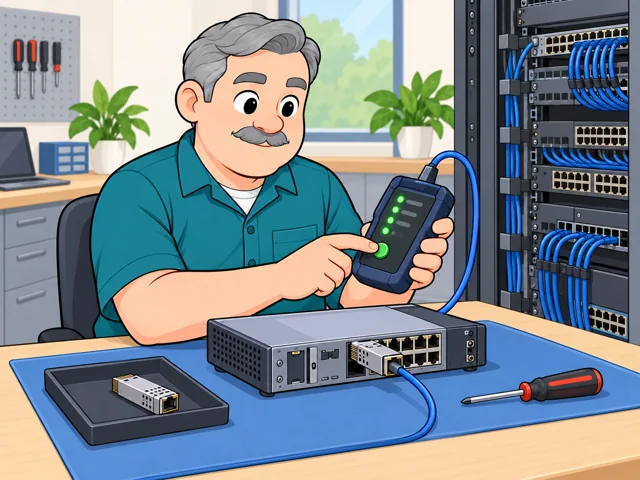
Pull the faulty part, fit a working one, and run tests before you call the repair finished.
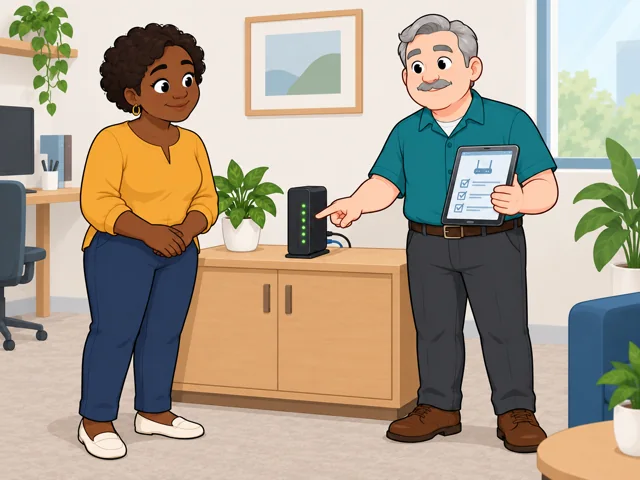
Teach the customer how to run the equipment, and note what you fixed for whoever services it later.
United States · 2025
United States · May 2025
United States · 2025–2035
Quick orientation
A postsecondary certificate plus on-the-job training is typical; some employers hire directly from high school.
National median, equivalent to $30.72 an hour, in May 2025.
About 11,300 openings a year are projected nationally for 2025–35 despite shrinking employment.
At central offices, automatic monitoring flags faults, and technicians can correct some problems remotely.
You still connect equipment, replace parts, and verify repairs.
How much troubleshooting moves off-site will depend on which faults can be resolved remotely.
Pay in context
The national median is $63,890 a year, or $30.72 an hour. It is not a starting-pay promise.
In May 2025, the lowest-paid 10% earned $44,240 or less annually; the highest-paid 10% earned $96,730 or more. These are wage percentiles, not beginner and expert salaries.
In May 2023, average annual pay was $67,100 in telecommunications and $56,730 at building equipment contractors. These historical industry averages show workplace differences; they are not current offers or medians.
You can enter through employer training or prepare first at a technical school.
After entry
This starts where the entry routes leave off: early work, growing capability, and advancement or specialization.
Practice safe tool use and installations alongside experienced technicians.
Use test readings to choose repairs; bring in technical support when a fault persists.
At Spectrum, coursework and field experience support progression through technician levels. Leadership roles are another possible step.
Travel between service calls, carry tools inside and outdoors, and explain the finished installation directly to customers.
Work with switches and fiber equipment serving many connections. Equipment alerts guide repairs, including some handled remotely.
Try it
Sketch the visible connections between a home modem, router, and computer. Label each cable's endpoints, then explain what you would check if the computer lost service. Notice whether tracing the connection interests you.
Stay safe: Observe only: do not unplug shared equipment, open cases, or handle exposed fiber.