

Take in a deposit
Count the cash and checks, match the total to the deposit slip, record it, and print a receipt.
Career profile
Tellers help bank customers deposit money, withdraw cash, and handle everyday transactions without mistakes.
You switch between a customer's request and the numbers on your screen. Consider it if you like helping people and spotting small mistakes.
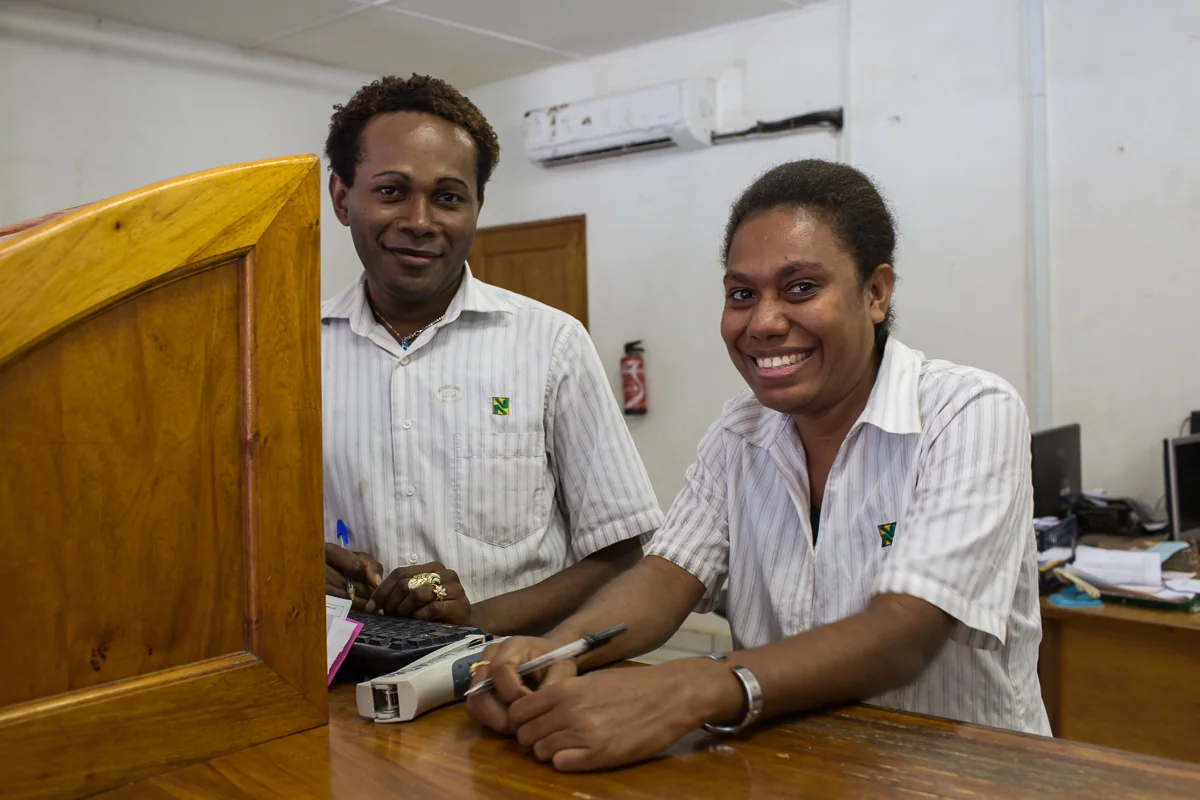
Count the cash and checks, match the total to the deposit slip, record it, and print a receipt.

Check the ID and signature, match the written-out amount to the figures, and confirm the balance covers it.
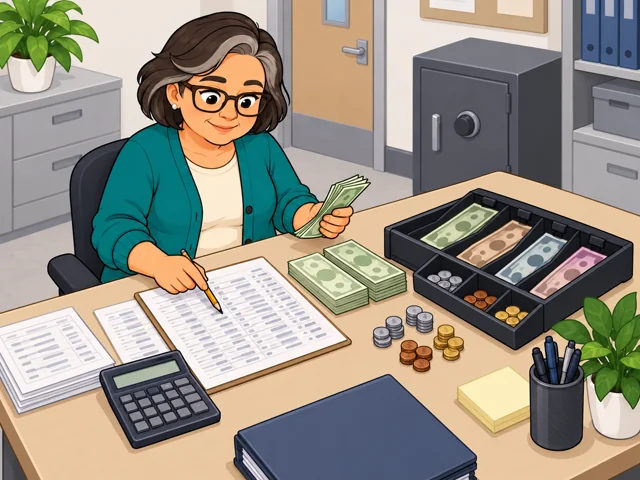
Compare your cash with the transaction records, and if they don't match, recount and look for the error.

Hear the customer out, explain the next steps, and call a banker over for detailed product questions.
United States · 2025–2035
United States · May 2025
United States · 2025–2035
Quick orientation
A high school diploma or equivalent and short-term training after hiring are typical.
National median pay, equivalent to $20.69 an hour.
Employment is projected to shrink, with about 26,800 openings a year nationwide.
Mobile check deposits and automated teller machines handle transactions that once required a counter visit.
You help untangle customer concerns and recognize when a banker needs to join the conversation.
How much routine service moves to machines will shape both staffing and the mix of problems tellers handle.
Pay in context
The national median was $43,030 a year, or $20.69 an hour, in May 2025. That is a midpoint, not a starting offer.
The 10th-percentile wage was $34,360 a year; the 90th-percentile wage was $49,680. These mark the lower and upper ends of the middle 80% of wages, not beginner and experienced pay levels.
Median annual pay was $42,920 in credit intermediation, which includes banks and credit unions, and $44,860 in management of companies and enterprises.
Employment is projected to fall 13.2%, but about 26,800 openings are expected annually. These replace people leaving the occupation or workforce.
You can enter without prior banking experience. Individual employers may ask for customer-service experience.
After entry
This starts where the entry routes leave off: early work, growing capability, and advancement or specialization.
Learn the bank's software and make balancing your drawer a reliable habit.
Build confidence resolving routine concerns and recognizing when to call in a more experienced colleague.
With experience, you may help other tellers, handle harder problems, and organize work schedules.
You work face to face with customers and alongside branch colleagues. Conversations can include showing digital banking options and introducing a banker.
At some banks, you serve customers at several branches through live video machines from one office. You also help people use the machine, so clear spoken directions matter.
Try it
Make a pretend cash drawer with paper money. Record five deposits and withdrawals, then compare the remaining cash with your record. Ask someone to alter one entry and try to find it. Notice whether checking a mismatch feels satisfying or frustrating.
Stay safe: Use invented transactions and account details.