
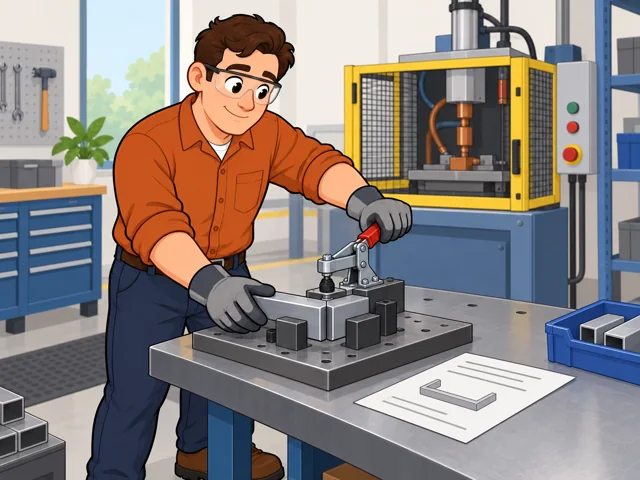
Clamp parts into the fixture
Follow the work order, position the pieces, and clamp them into a fixture that holds them during joining.
Career profile
Welding machine operators set up and run metal-joining machines, then inspect the results.
Cycle by cycle, the machine repeats itself. You watch for any part or setting needing attention and catch it before another batch starts.
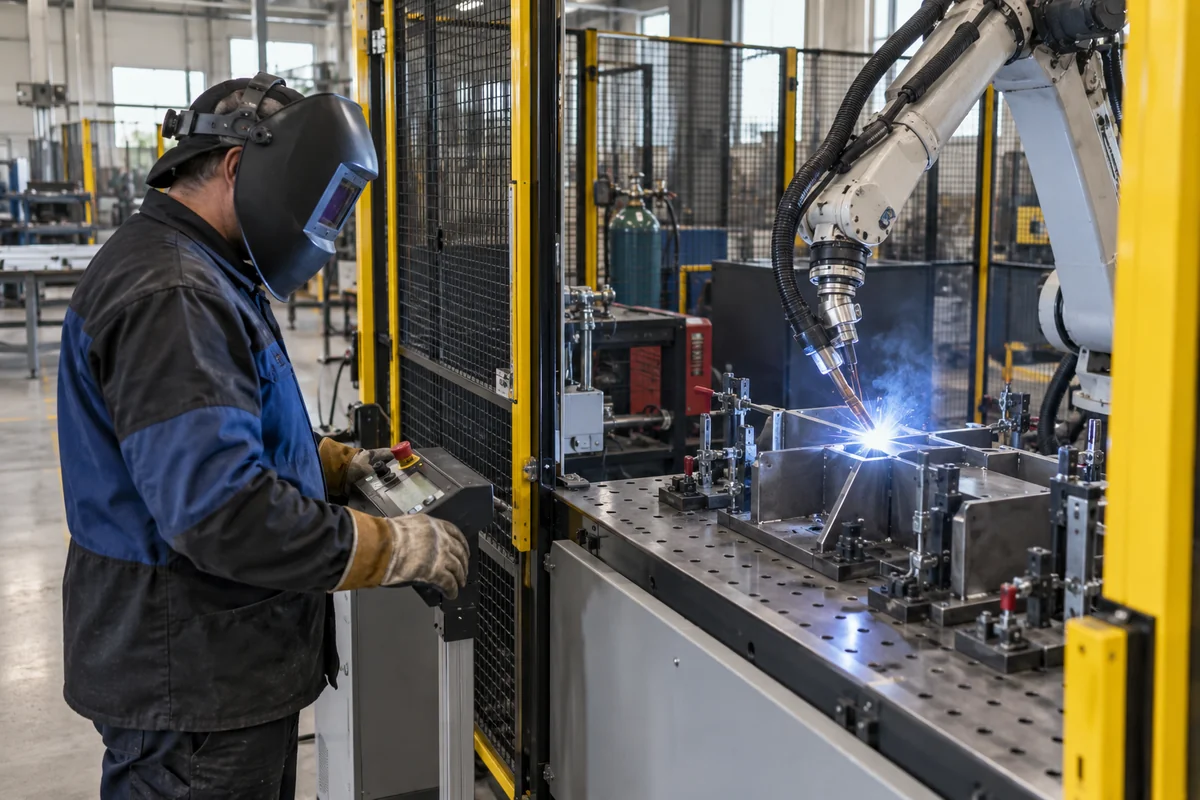
Follow the work order, position the pieces, and clamp them into a fixture that holds them during joining.
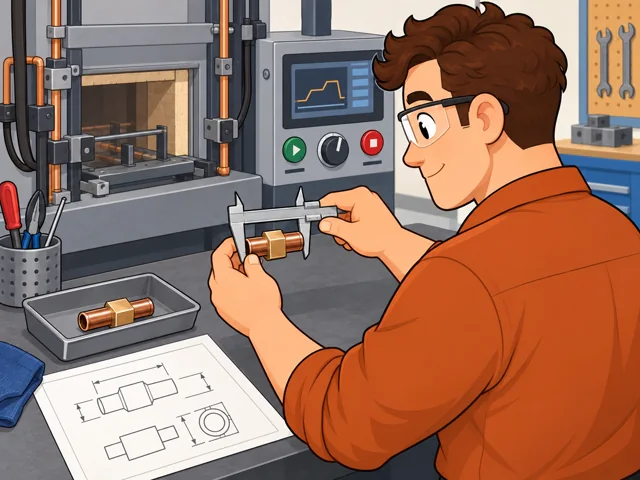
When a job needs setup, check the first pieces off the machine and tune it before full production starts.
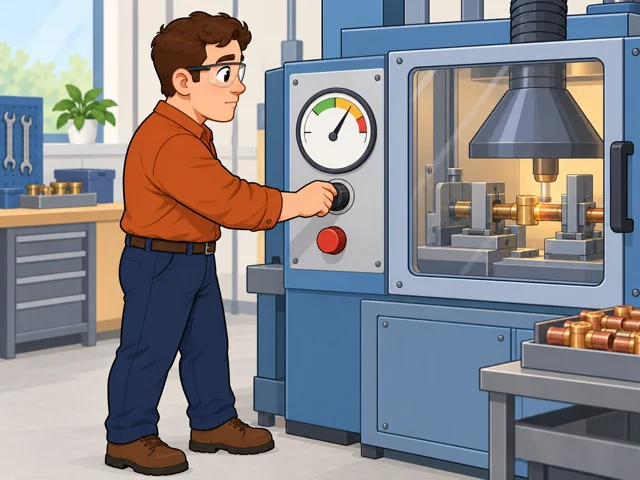
During soldering or brazing, watch the gauges and change settings or halt the machine if readings exceed spec.
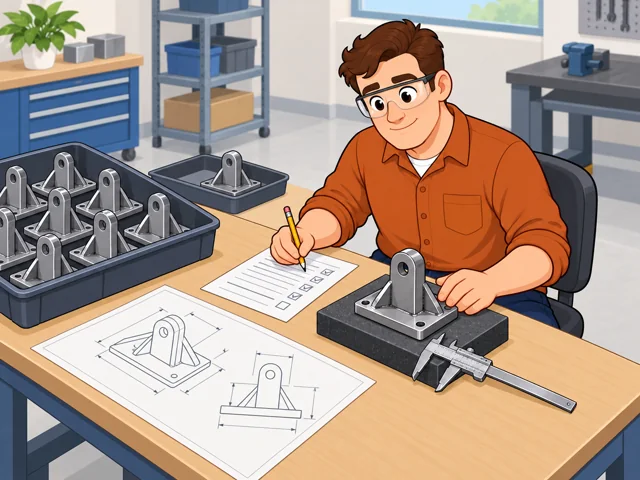
Match measurements to the drawing and log production results so flawed parts do not reach the next operation.
United States · 2025
United States · 2025
United States · 2025–2035
Quick orientation
A high school diploma or equivalent is typical, followed by training on the job.
2025 national median, equivalent to $23.04 an hour.
About 2,500 openings a year are projected nationally during 2025–2035, despite shrinking employment.
Programmed robots can repeat welding movements, and some automated lines let an operator monitor multiple machines.
Operators still troubleshoot poor results and work with manufacturing engineers when robot programs need changes.
How much loading, checking, and adjustment becomes automatic will vary by factory; the balance between tending machines and solving problems may shift.
Pay in context
These national figures cover welding, soldering, and brazing machine setters, operators, and tenders together.
The 2025 median was $47,920 a year, or $23.04 an hour. The lowest-paid 10% earned $36,860 or less; the highest-paid 10% earned $66,540 or more. Those are wage percentiles, not starting and senior rates.
A temporary-to-direct wave-solder role in Melbourne, Florida, advertised $18–$20 an hour depending on experience, plus 10% for second shift. That is a local advertised range, not an electronics-industry average.
Employment is projected to decline 8.9% from 2025 to 2035, with about 2,500 openings annually on average. Openings are not the same as newly created jobs.
You can learn through an entry job or prepare in a program focused on the machines you want to operate.
After entry
This starts where the entry routes leave off: early work, growing capability, and advancement or specialization.
Learn one machine's production cycle and inspection routine until you can reliably spot a part that does not meet the drawing.
Develop the skills to prepare a machine for a different job, run test pieces, and adjust the setup.
With further training and experience, pursue work that includes robot programming, troubleshooting, and coordinating weld changes with engineers.
Robotic welding can sit alongside manual fitting and weld rework. You may collaborate with manufacturing engineers and work an evening production shift.
Wave-solder machines join components on circuit boards. The work can include loading board fixtures, checking small connections, and repairing defects by hand.
Try it
Make a paper template for positioning two cardboard pieces. Repeat the placement five times, measuring each result with a ruler. Change the template to reduce variation. Notice whether you enjoy making a repeated process more consistent.
Stay safe: Use paper, cardboard, and tape only; this explores fixture thinking without welding equipment.