Career profile

Firefighter

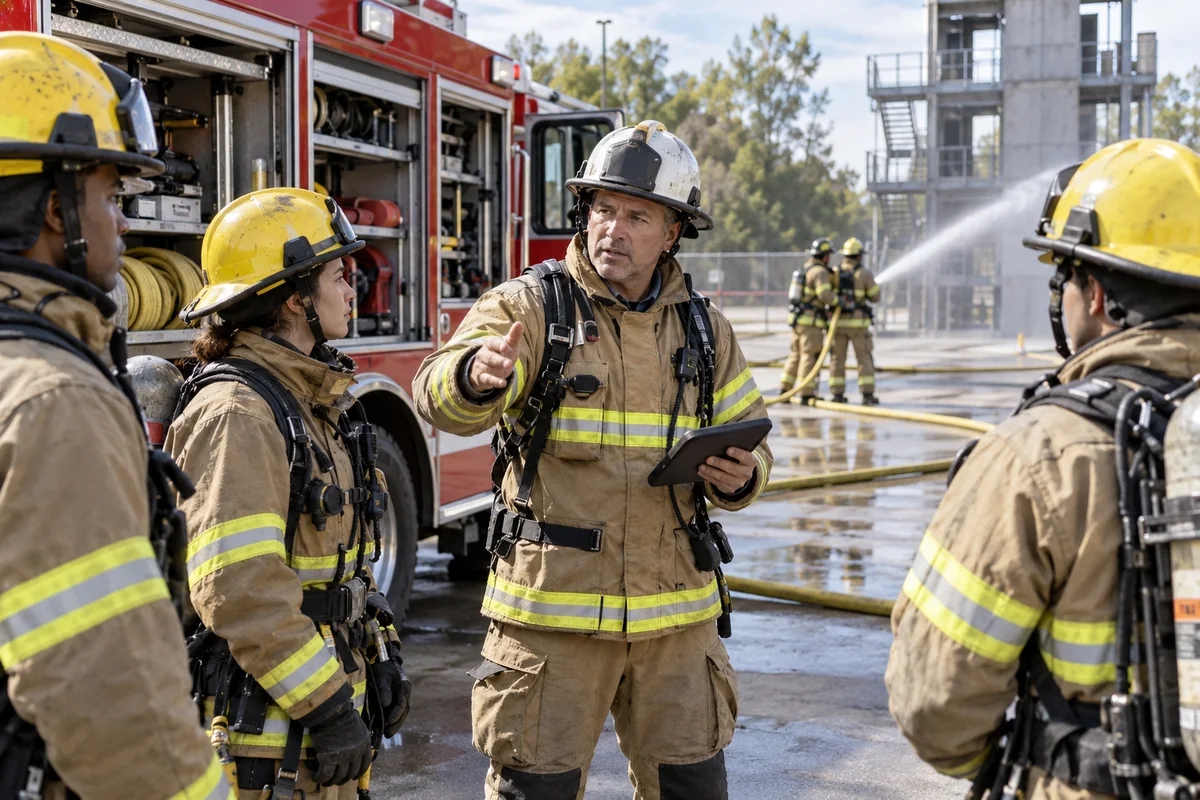
Firefighters fight fires, search for people and answer medical emergencies as one close team.

Between calls you check gear and run drills repeatedly, so your team works together on fast-changing calls, from hydrant hookups to sudden health crises.
A firefighter kneels to talk with an older woman sitting on a curb, an open medical bag beside them, while a second firefighter stands by the fire engine.

A day in the life

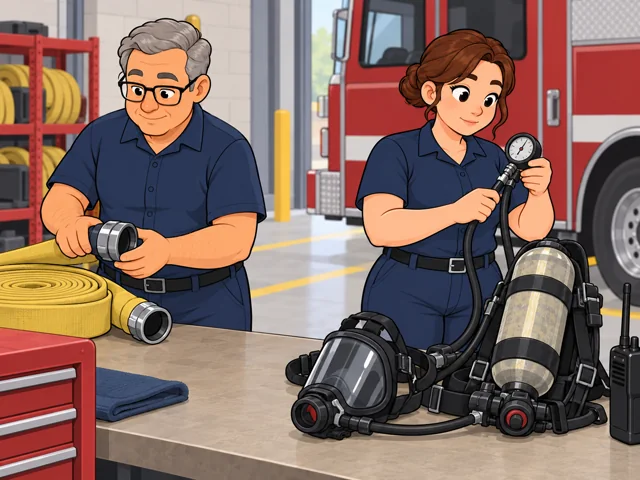
1A firefighter checks breathing equipment at a station bench while an older male crewmate inspects a hose coupling.

Find faults before any call

Look over hoses, radios and breathing gear at the station, then run a drill with your crew.
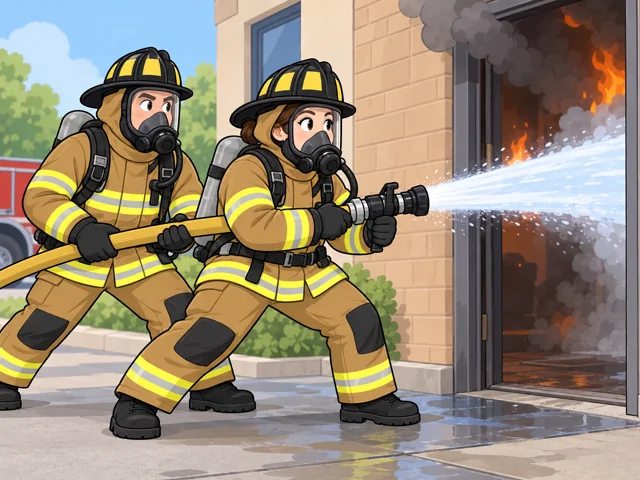
2Two firefighters brace a hose together as the woman directs water into a burning building.

Get water where it's needed

Hook a hose to a hydrant, run the pump or work the nozzle as teammates handle the rest.
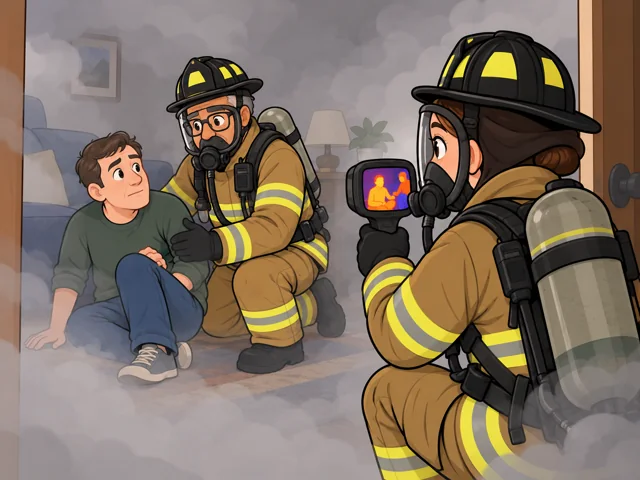
3A firefighter searches a smoky room with a thermal camera while her crewmate helps a man beside a sofa.

Guide people out of smoke

Search rooms with your crew, using a heat-sensing camera to spot people you cannot see, and radio conditions.
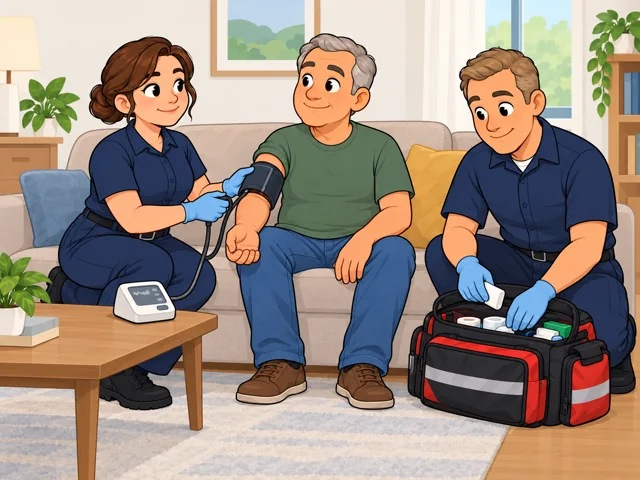
4A firefighter checks an older man's blood pressure beside his sofa while a crewmate prepares medical supplies.

Care for sick or hurt people

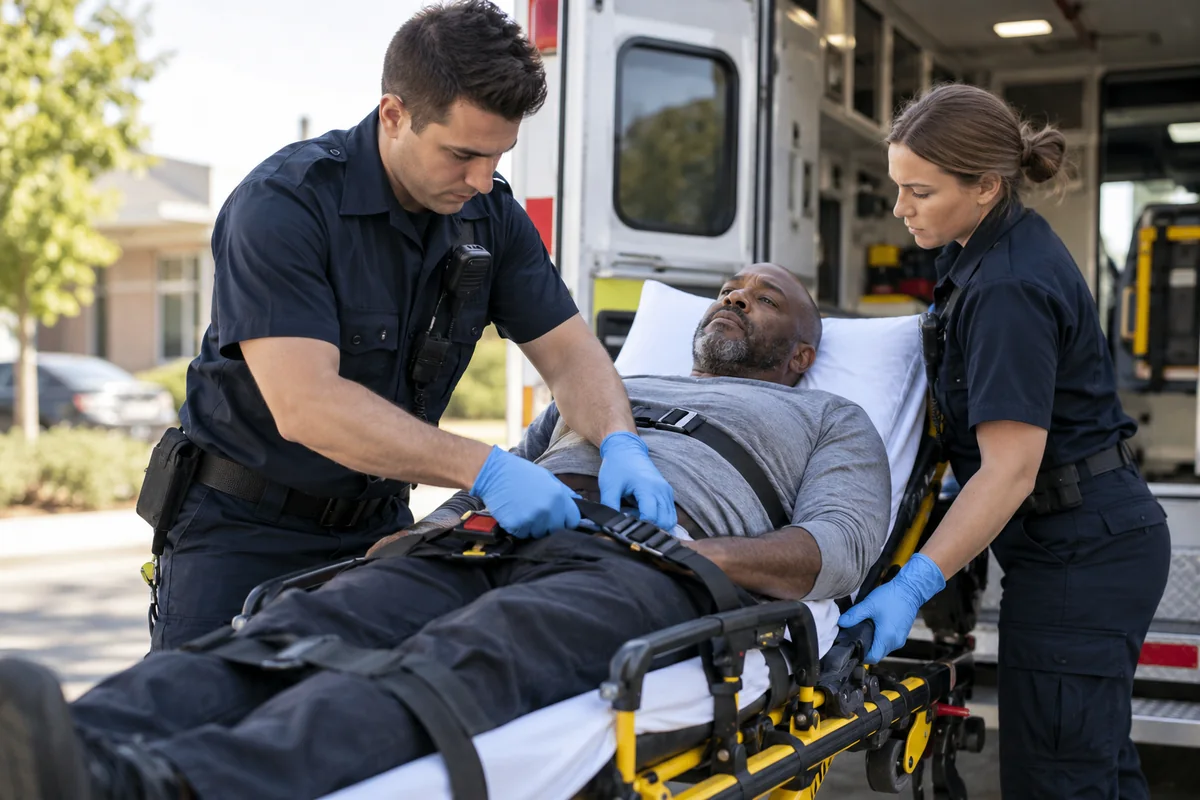
Most of your calls are medical, so you give urgent care and calm patients who are frightened.
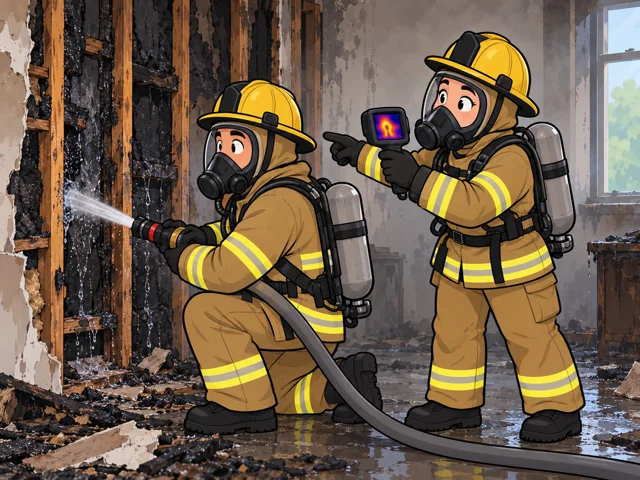
5A firefighter locates remaining heat in a burned wall with a thermal camera while her crewmate wets the hot spot.

Make sure it stays out

Comb the burned area after the fire, finding and putting out hot spots before they reignite.

Quick facts

Pay

$59,280

Median/year · May 2025

Outlook

4% growth

26,800 openings/yr

Projected · 2025–35

Preparation

Diploma

+ academy training

Quick orientation

Preparation, pay & outlook

Preparation

Diploma + academy training

Typically a high school diploma or equivalent, emergency medical training, and fire academy training.

Geography
United States
Period
Not applicable

Pay

$59,280/year

National median for firefighters; the hourly equivalent is $28.50.

Geography
United States
Period
May 2025

Outlook

4% projected growth

About as fast as average, with about 26,800 openings per year nationwide.

Geography
United States
Period
2025–2035

Fit, tradeoffs & changing tools

Things to weigh

  • Heavy protective gear adds heat and strain. Fire scenes can be dangerous, and serious injuries or medical emergencies can be emotionally difficult.
  • Some departments use 24-hour shifts. Calls can interrupt sleep, and overtime can make your schedule harder to plan around.

Where AI may help

Cameras that detect heat help crews find people and fire sources through smoke. Research on how heat and air move through buildings also changes the tactics firefighters practice.

What people still lead

You still have to interpret changing conditions, communicate with the crew, and physically reach and move people who need help.

What we can’t predict yet

How much scene assessment tools can take over remains uncertain: a thermal image can miss danger beneath a floor, and airflow can change suddenly during a fire.

Pay in context

Earnings

Your department and location matter when comparing pay. Treat the national median as a reference point, not a starting offer.

The national midpoint and spread

The median was $59,280 a year, equivalent to $28.50 an hour. The 10th-percentile wage was $34,910 and the 90th-percentile wage was $101,040. These describe the wage spread, not beginner and senior salaries.

Geography
United States
Period
May 2025
Pay basis
Annual and hourly occupational wage estimates for firefighters, SOC 33-2011

Pay differs across employers

Annual medians were $64,980 in state government, $63,270 in federal government, and $59,850 in local government. State and local figures exclude education and hospitals; the federal figure excludes the postal service.

Geography
United States
Period
May 2025
Pay basis
Industry median annual wages for firefighters

Openings include replacement hiring

Employment is projected to grow 4%, with about 26,800 openings a year on average. Many openings replace people who retire or leave the occupation; they are not all newly created jobs.

Geography
United States
Period
2025–2035
Pay basis
Employment projections, not compensation

Getting started

Apply for a department recruit position

What the route involves
Complete the department's selection process, then train in its academy. Some departments provide paid recruit training, with classroom work and repeated equipment drills.
What it can lead to
Successful academy completion leads into probationary work with a crew, where you continue learning and being evaluated.

Build experience in a volunteer department

What the route involves
Join a volunteer department through its admission and training process, then gain experience responding with the crew.
What it can lead to
Volunteer fire-service experience may help a later application for a paid firefighter job.
What to check
This is an experience route, not a guaranteed paid job or a substitute for hiring tests and required credentials. Check the volunteer department's age, training, and service requirements.

You typically need a diploma or equivalent, a driver's license, and to be at least 18. Expect written and physical tests, interviews, a medical exam, and drug screening. Emergency medical technician (EMT) certification and other credential requirements vary by department and location; check when each must be completed.

After entry

Career paths

This starts where the entry routes leave off: early work, growing capability, and advancement or specialization.

  1. Get established with your crew

    After the academy, complete probation while learning the crew's routines and putting your equipment skills to work on calls.

  2. Build dependable skills

    Keep practicing hose, ladder, and rescue work. Complete continuing education to maintain the medical credentials your job requires.

  3. Advance or specialize

    Depending on the department, advancement can lead to engineer, lieutenant, or captain positions.

    • Specialize in hazardous-materials response, with additional training to handle chemical incidents.

Where you can work

Municipal fire stations

Your crew responds to building fires, crashes, and medical calls. Between calls, station life includes equipment upkeep, drills, meals, and sometimes sleep during a long shift.

  • Indoors
  • Outdoors
  • Vehicle
  • Shift work
  • Physical demands
  • Safety-sensitive

Wildland fire crews

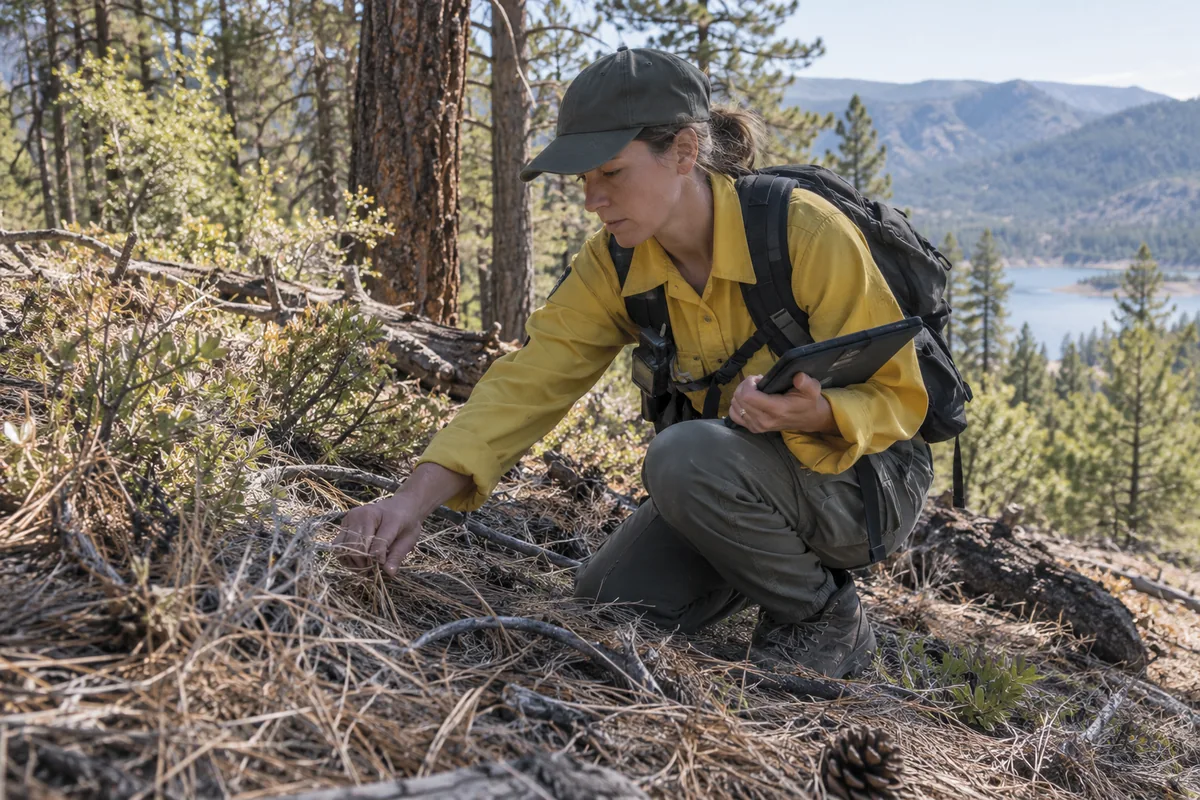
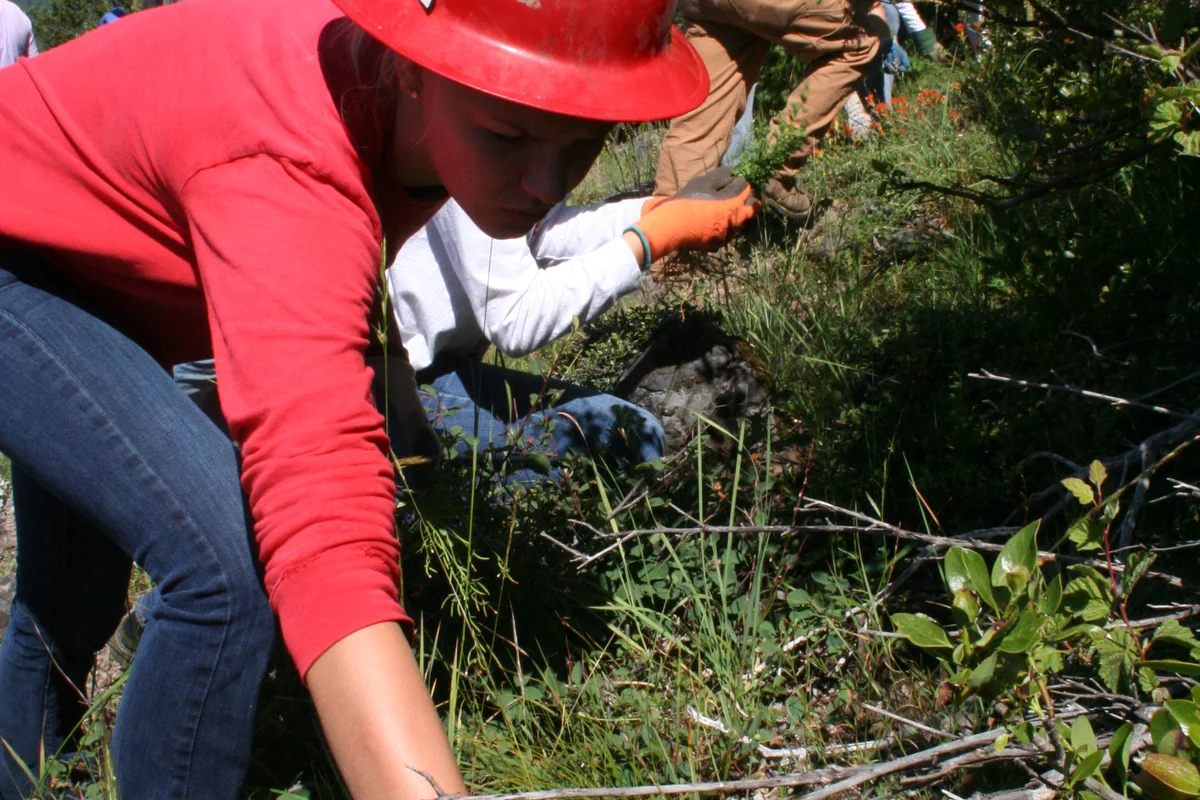
You work outdoors clearing vegetation and digging fire lines to slow a fire's spread. Deployments can mean days or weeks in temporary camps, and some positions are seasonal.

  • Outdoors
  • Field work
  • Travel
  • Physical demands
  • Safety-sensitive

Try it

See whether the job clicks before you commit to the path.

Watch a fire department's recorded hose or ladder drill. Note how crew members divide the work and communicate before moving equipment. Would you enjoy practicing that coordination repeatedly?

Stay safe: Keep this an observation exercise; do not attempt firefighting drills without qualified instruction.

Explore more careers

Sources

  1. U.S. Bureau of Labor Statistics. Firefighters — Occupational Outlook Handbook. Accessed 2026-10-03.
  2. O*NET OnLine / U.S. Bureau of Labor Statistics. National Wages: 33-2011.00 — Firefighters. Accessed 2026-10-03.
  3. O*NET OnLine. 33-2011.00 — Firefighters. Accessed 2026-10-03.
  4. National Institute of Standards and Technology. Performance of firefighting equipment and tactics (2010s). Accessed 2026-10-03.
  5. Seattle Fire Department. Recruit Training. Accessed 2026-10-03.
  6. Seattle Fire Department. Career Overview. Accessed 2026-10-03.

Your message goes to the Great Jobs team. How we use your information