Clear rubble from the work area
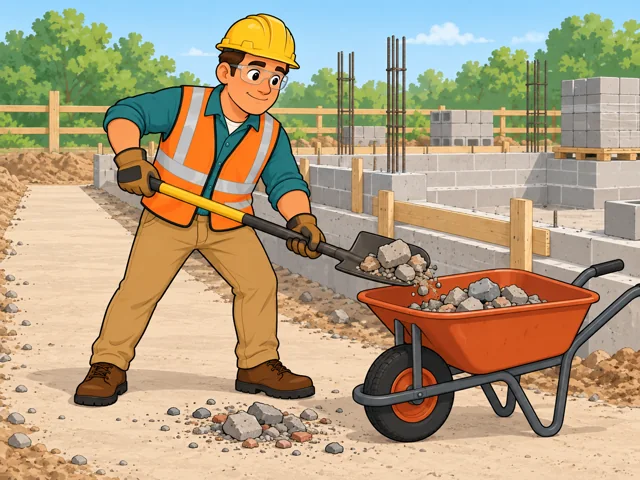
Haul away broken material and leftover junk so the crew has nothing underfoot while working.
Career profile
Construction laborers prepare sites, move materials and handle tools to help build the next project.
You might ready ground for a new building or help set concrete for a road. The project keeps changing as the work moves along.
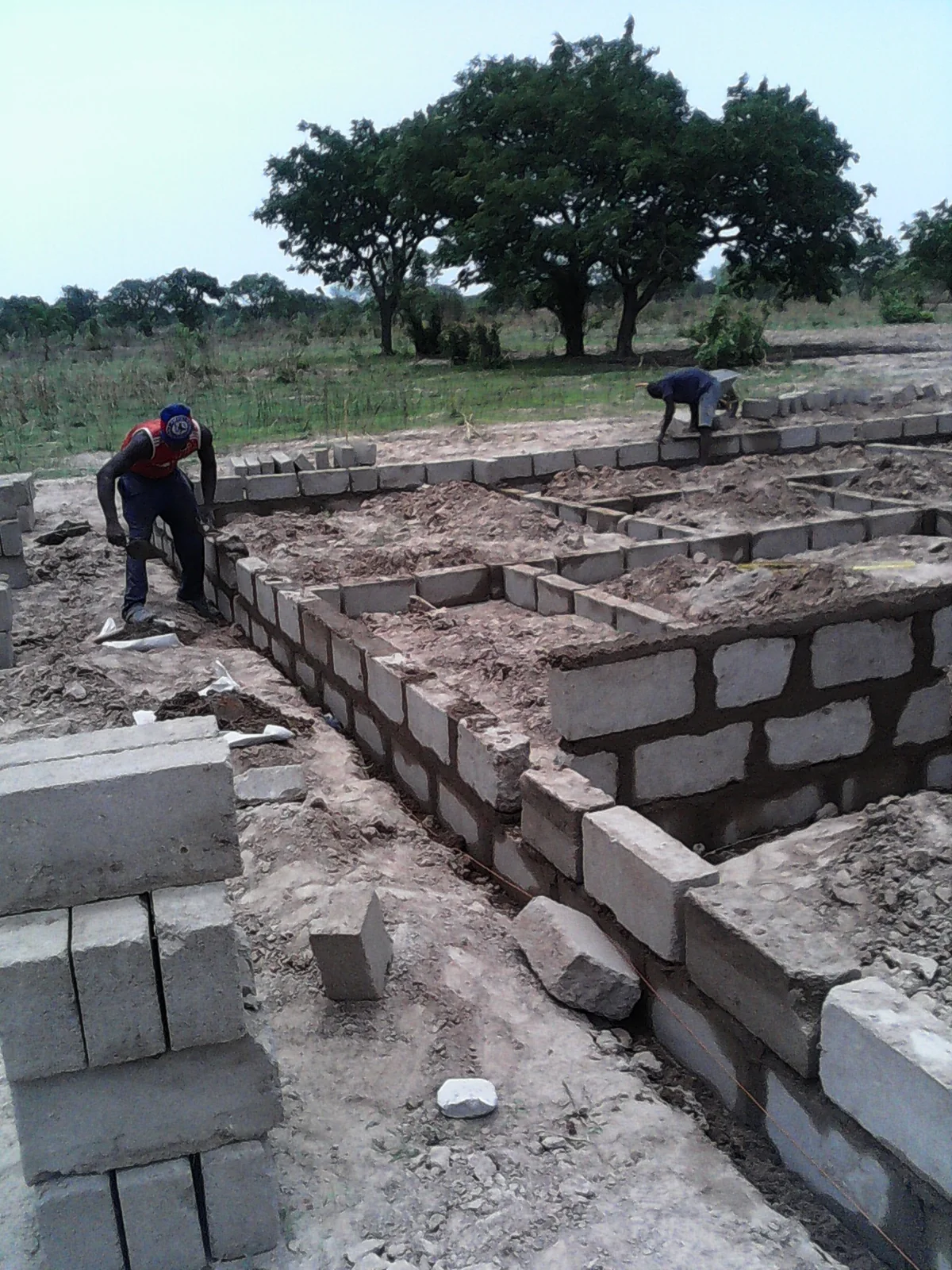
Haul away broken material and leftover junk so the crew has nothing underfoot while working.
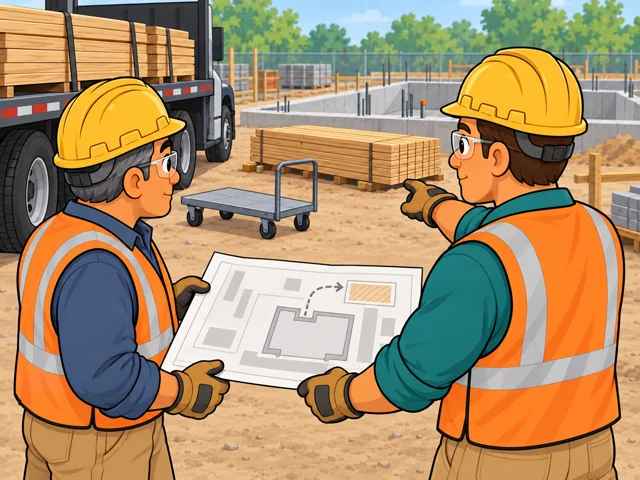
You unload the delivery and study the plan before carrying each material to the spot where it's used.

Run a powered tamper over the soil, packing it down to the standard the job requires.
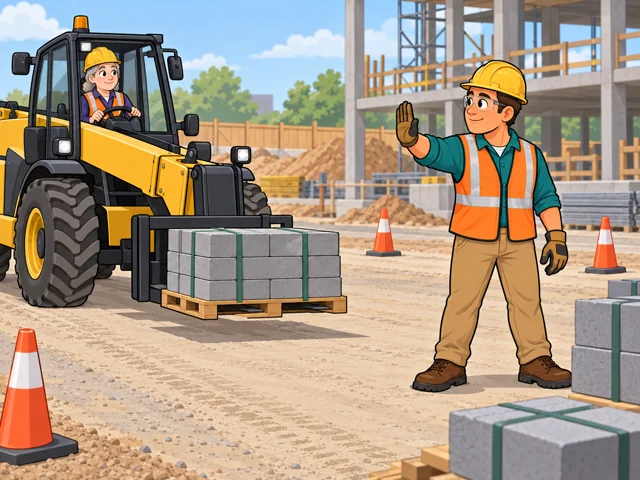
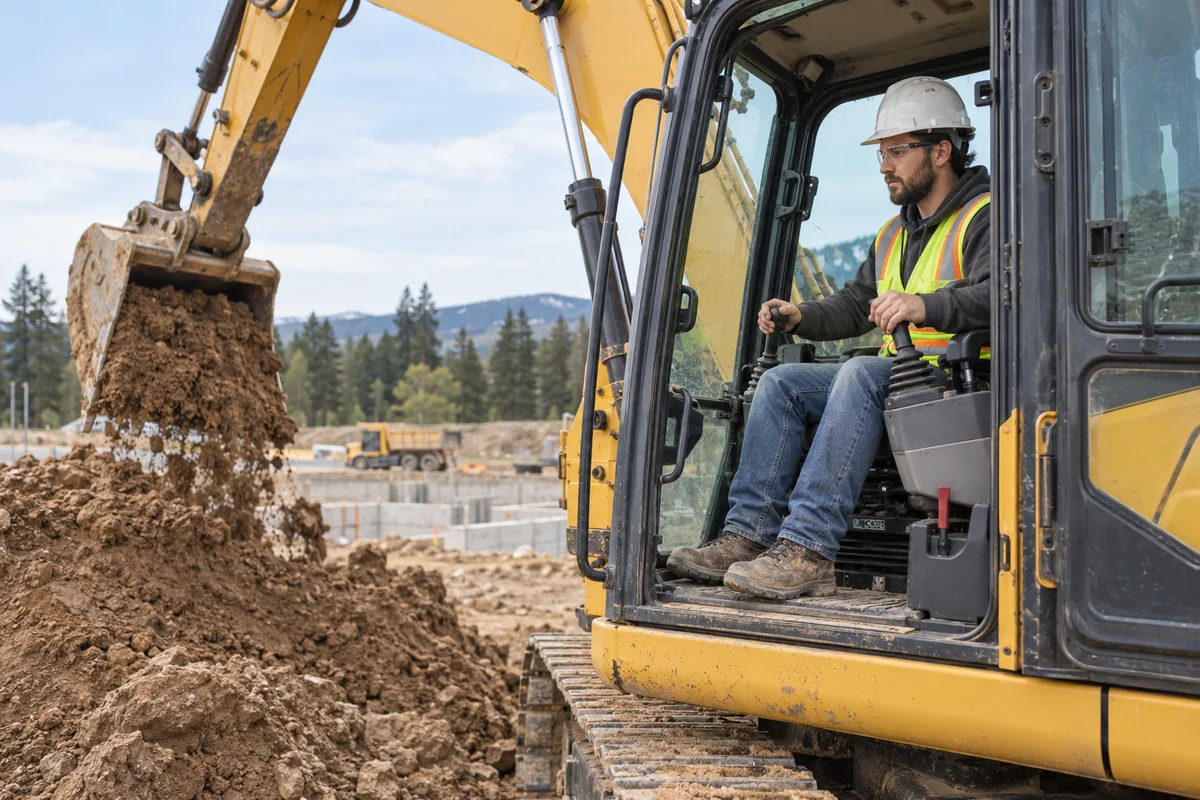
Give the operator signals while equipment or loads move into place so everything lands where it belongs.
Quick orientation
Typically, no formal educational credential is required.
National median for construction laborers; $22.66 an hour.
Projected employment growth for construction laborers from 2025 to 2035.
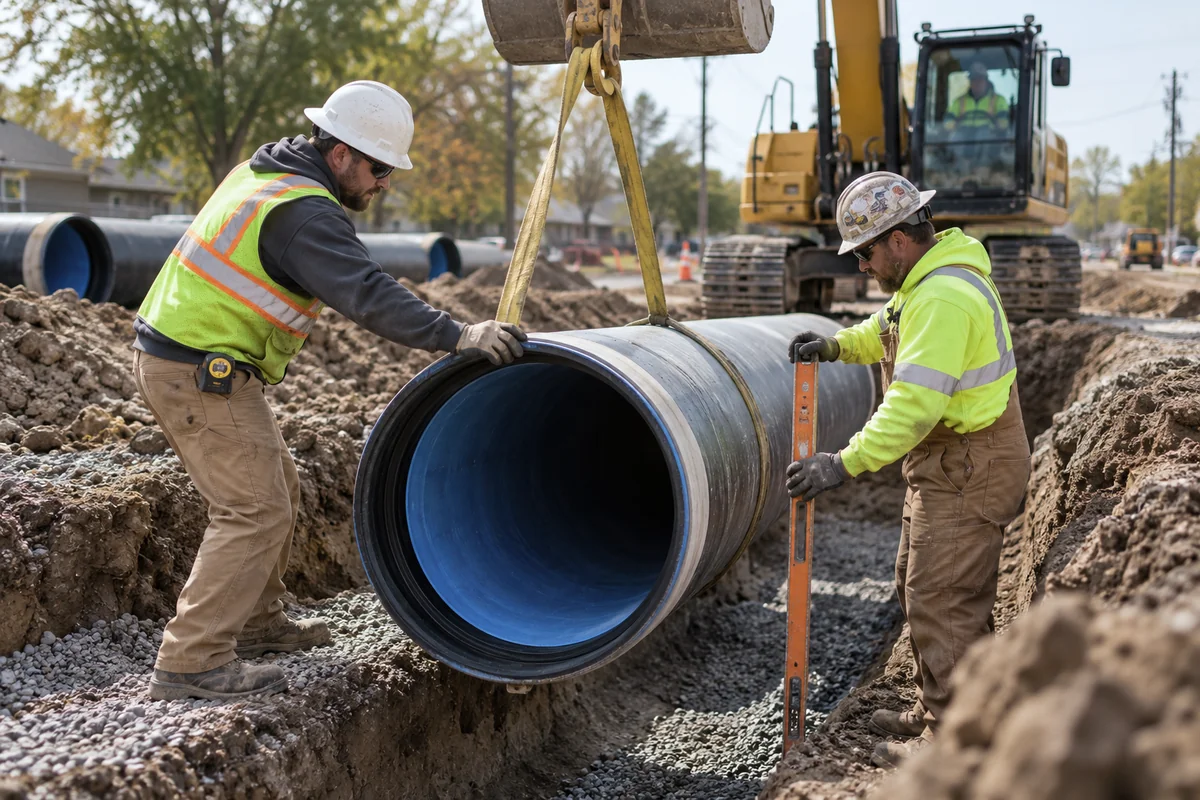
In specialized pipe work, lasers help position pipes and computer-controlled cutters handle cutting.
You still need to understand the equipment and coordinate with the crew.
How much machinery takes over will vary with the task and site; learning new controls may become part of your work.
Pay in context
The national median is a midpoint, not a starting offer.
In May 2025, construction laborers had median wages of $47,120 a year, or $22.66 an hour. The lowest-paid 10% earned $35,090 or less; the highest-paid 10% earned $78,090 or more. These are wage percentiles, not beginner and experienced-worker rates.
Seasonal interruptions can reduce yearly earnings. Apprenticeship pay may rise as you complete required work and training; the program sets the schedule.
About 120,000 openings a year are projected for construction laborers during 2025–2035, alongside 7.3% employment growth. Openings include replacement needs, not just newly created jobs.
For construction laborers and helpers combined, national median annual wages in May 2025 were $47,540 in building construction, $47,420 in heavy and civil engineering construction, and $35,740 in temporary help services. These comparisons include trade helpers; they are not laborer-only pay rates.
You can enter through a job that teaches you or a structured apprenticeship.
After entry
This starts where the entry routes leave off: early work, growing capability, and advancement or specialization.
Practice reading plans, using tools correctly, and recognizing the safety procedures each task requires.
Add training for work such as underground utilities or scaffold assembly, and build experience with that crew's equipment.
With experience, pursue foreman training to develop the skills needed to lead workers. Further development can support a move toward superintendent responsibilities.
Plans and measurements guide site preparation, concrete placement, and scaffold work. You work around a structure as it takes shape.
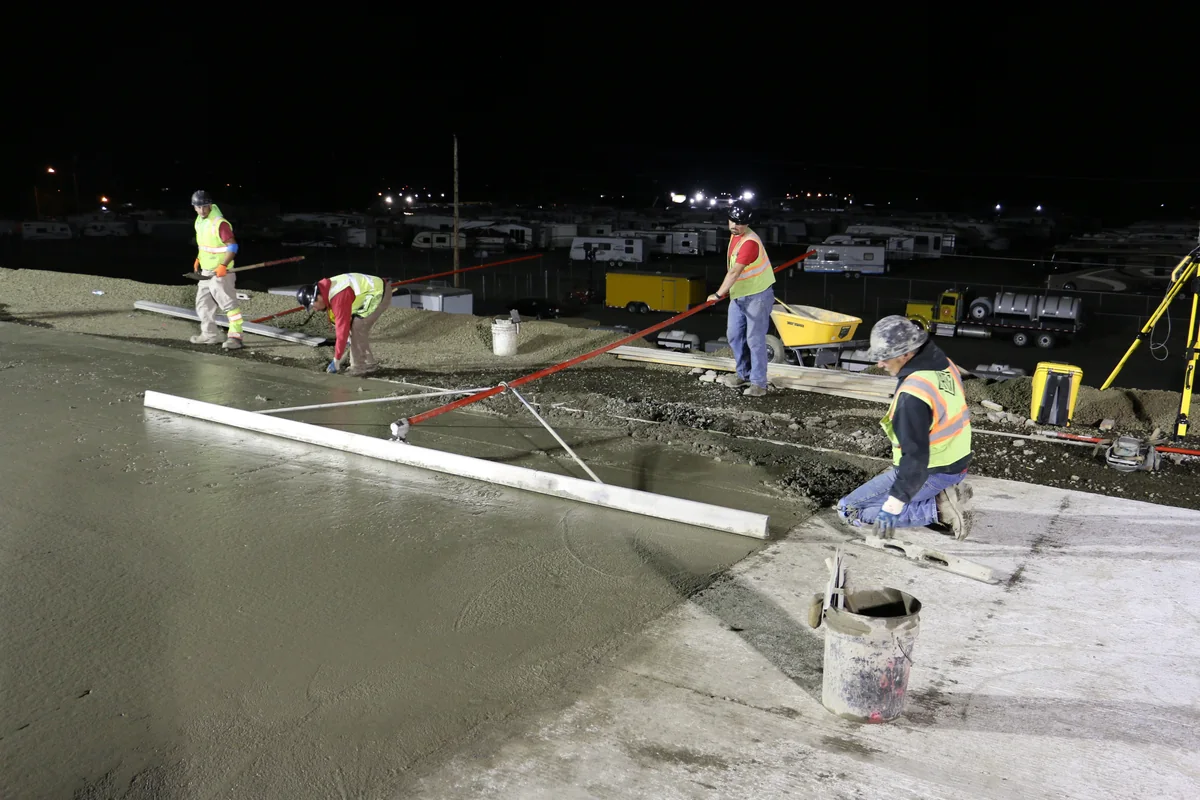
Drainage and paving work happen alongside traffic controls. Some projects run overnight to reduce disruption to drivers.
Try it
Sketch a small building site on paper. Use coins for material stacks and draw routes for workers and deliveries. Move one stack when it blocks a route. Notice whether you enjoy figuring out where things should go before work begins.
Stay safe: Keep this a tabletop exercise; don't enter an active construction site.
Keep exploring