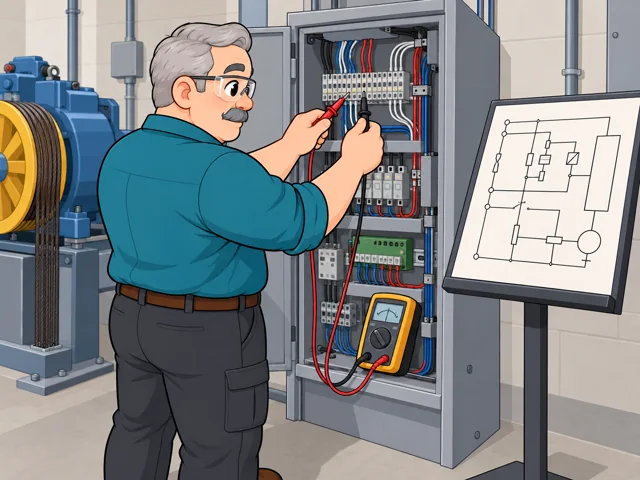
Trace why an elevator stopped
Use a voltmeter and the wiring diagram to tell whether the motor or the controls caused the stall.
Career profile
Elevator and escalator installers and repairers install and fix machines that move riders between floors.
A misbehaving lift could have a motor, wiring or door hardware problem. Your job: find where it starts, replace parts, then check how it runs.
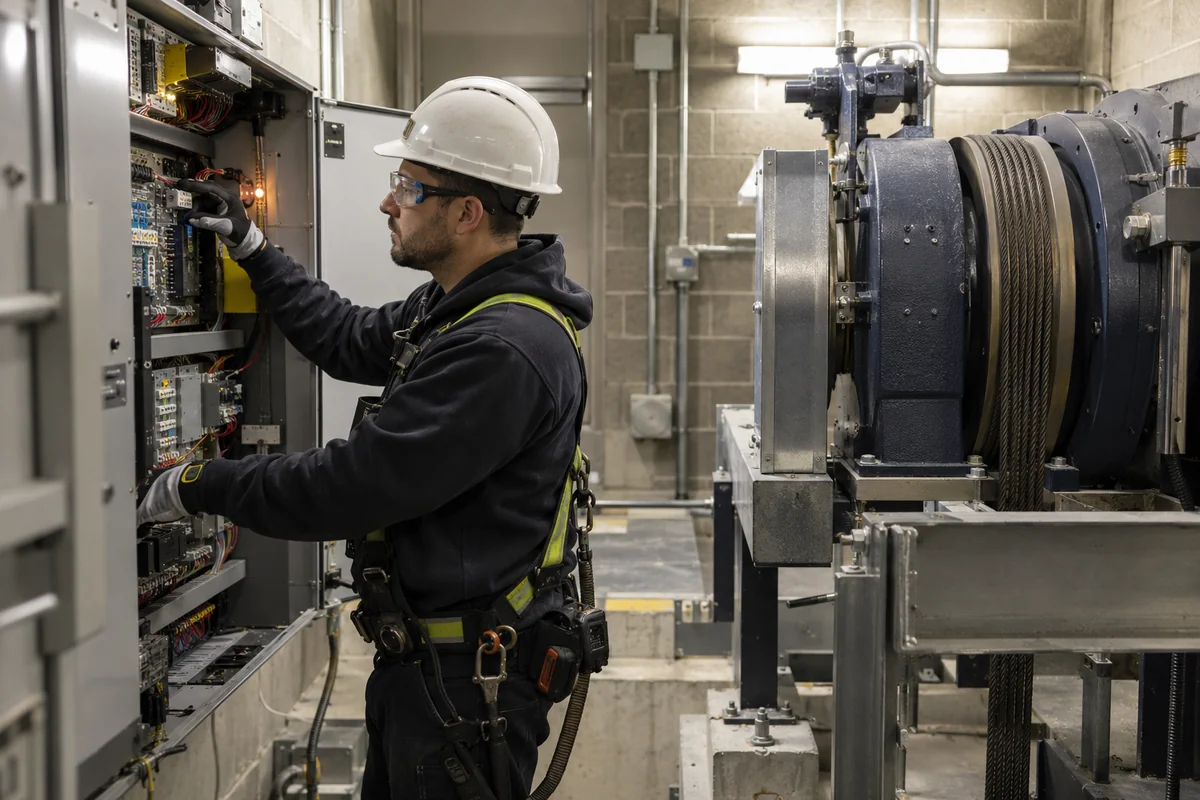
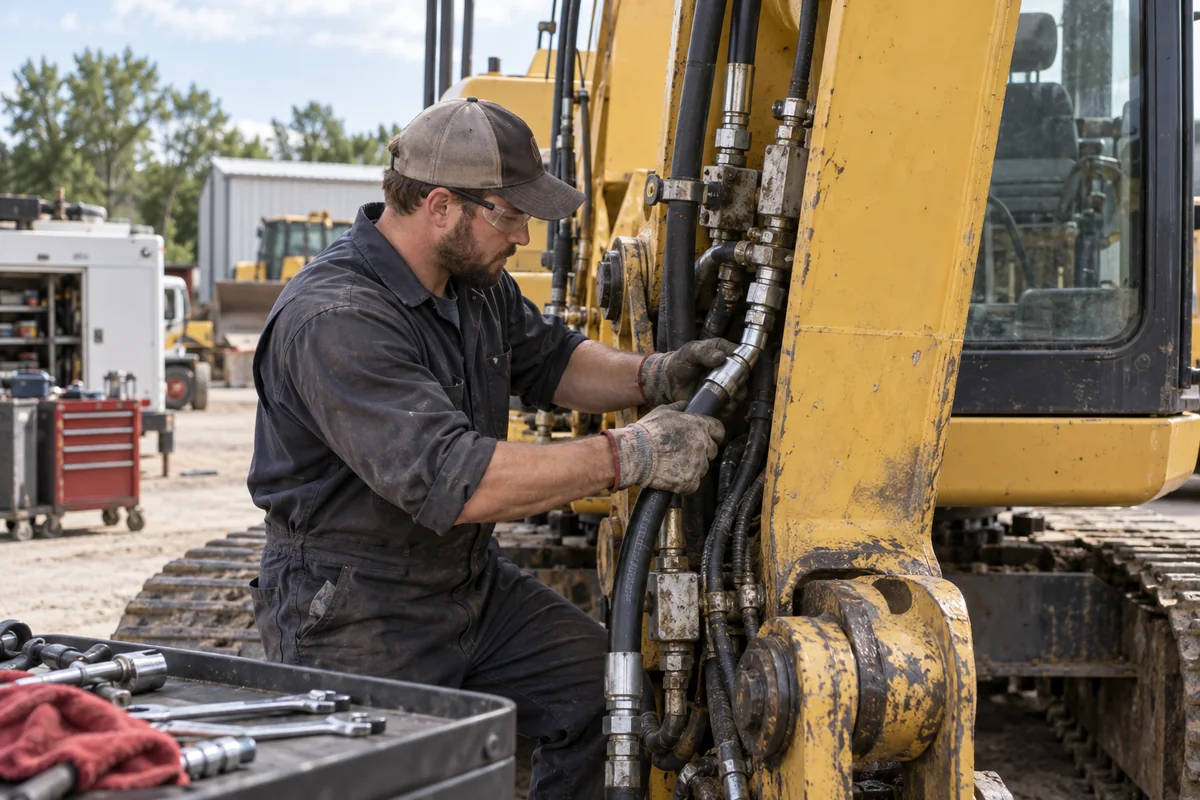
Use a voltmeter and the wiring diagram to tell whether the motor or the controls caused the stall.
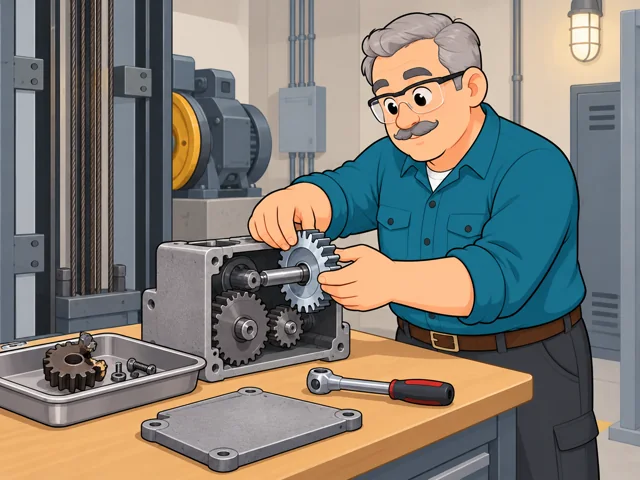
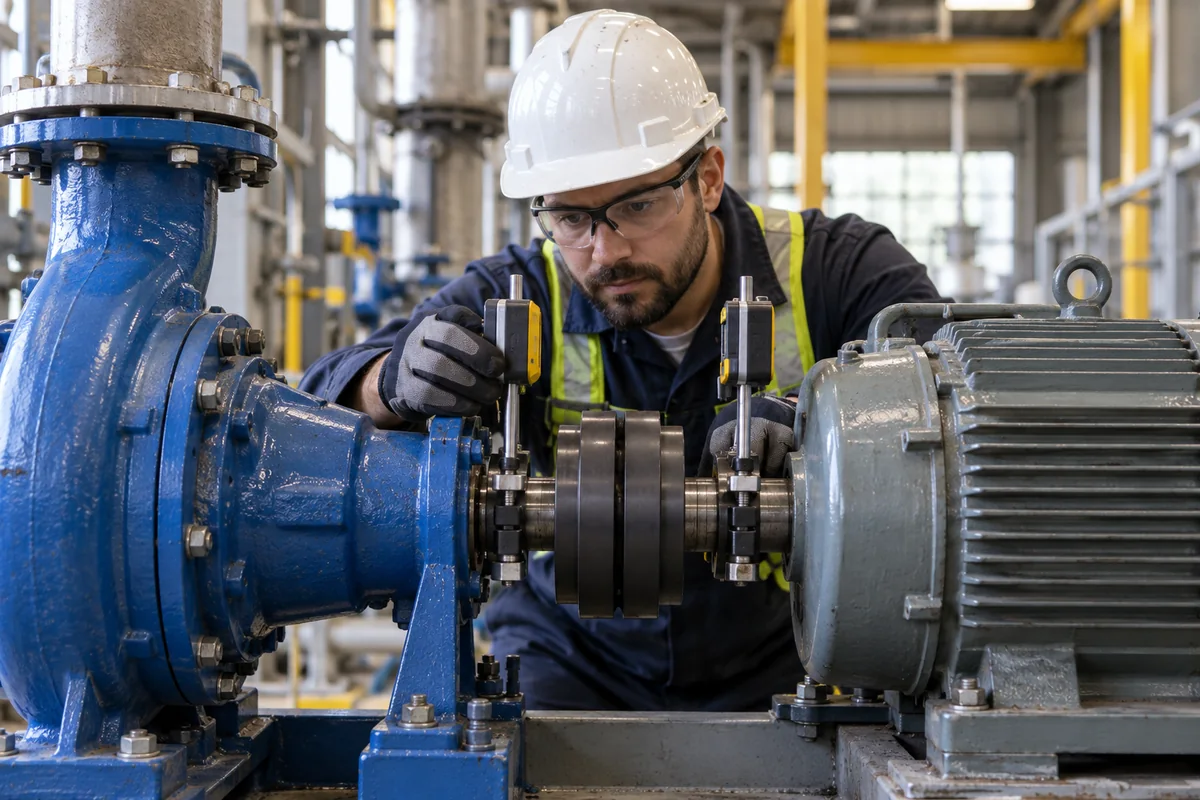
Take the broken unit apart and fit a new gear, lock or cable where one has worn out.
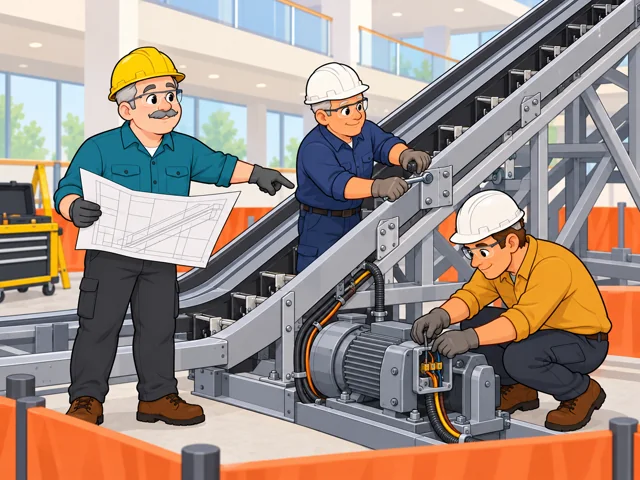
Study the layout drawing, then assemble the frame and tracks and hook up the motors and wiring.
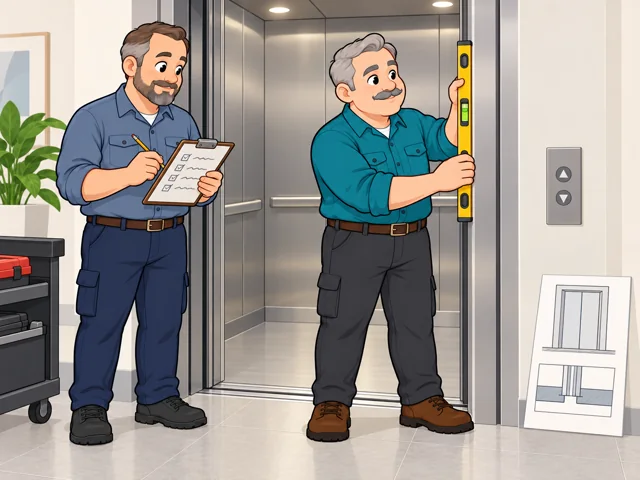
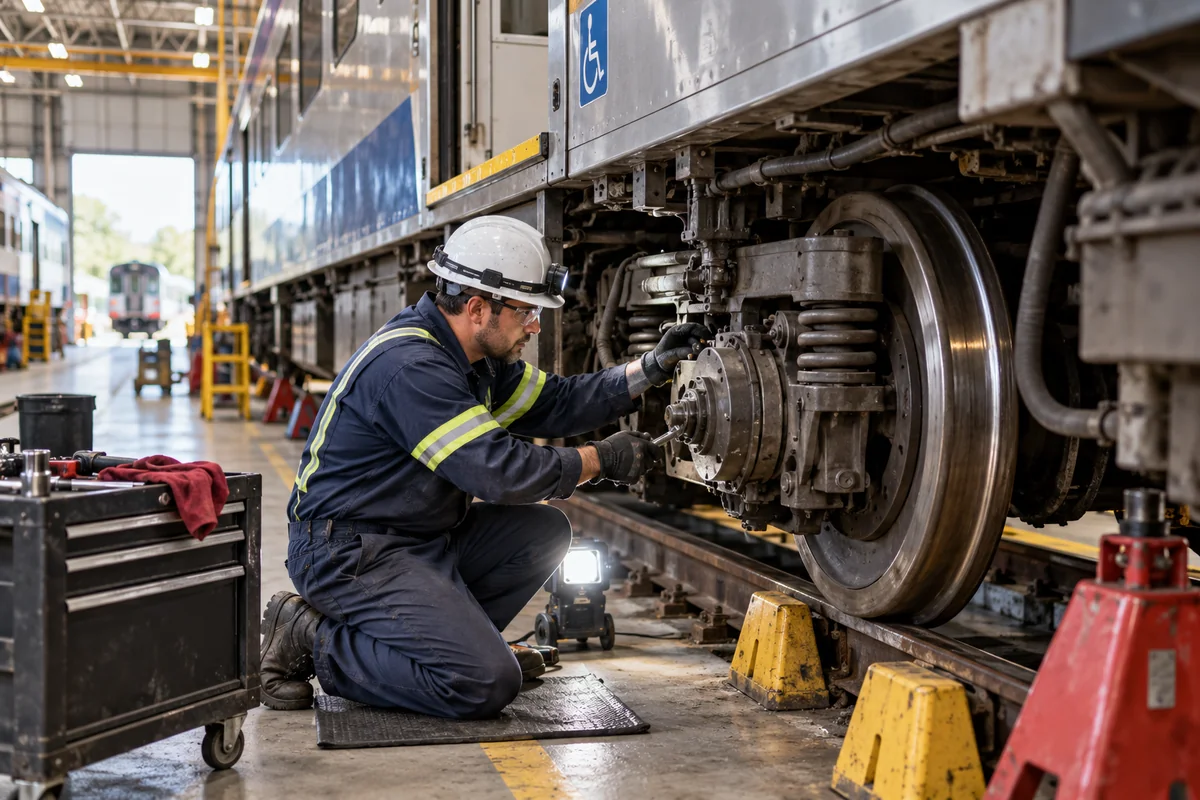
Test the elevator against its specs, confirm the doors line up, and write results in the service log.
Quick orientation
A high school diploma or equivalent is the typical starting qualification; you learn the trade through apprenticeship.
National median for elevator and escalator installers and repairers, equivalent to about $52.84/hour.
About 1,900 openings a year are projected nationally over 2025–2035.
Some connected elevators send equipment data to service software. Alerts can give you fault information and suggested parts before you arrive.
You still examine the machinery, replace components, and test the result. An alert is a starting point for the repair.
How much diagnosis will move off-site remains uncertain; equipment faults may still require measurements and checks at the building.
Pay in context
The median describes the middle worker's wage across the occupation, not an apprentice's starting offer.
In May 2025, the lowest-paid 10% earned $59,270 or less annually; the highest-paid 10% earned $158,890 or more. These are wage percentiles, not beginner and senior pay bands.
Annual medians were $116,480 in government, excluding state/local education and hospitals; $113,290 with building equipment contractors; and $98,300 in educational services.
Union apprenticeship contracts set wages that rise as training progresses. Ask for the local starting rate and progression schedule before comparing offers.
The projected 1,900 annual openings include replacing people who leave the occupation. They are not 1,900 newly created positions each year or a count of today's vacancies.
Most states require a license. Check your state's requirements alongside the apprenticeship you choose.
After entry
This starts where the entry routes leave off: early work, growing capability, and advancement or specialization.
Build reliable habits with tools, safety procedures, and drawings while learning how elevator parts fit together.
Deepen your electrical and hydraulic knowledge so you can connect a symptom to the system causing it.
Additional training can lead to adjuster, mechanic-in-charge, or supervisor work.
Install new equipment in shafts and machine spaces. Construction deadlines can extend the workday.
Service existing equipment and respond to breakdowns. Major replacements bring in a service crew; emergency calls can interrupt your schedule.
Try it
From a public elevator lobby, observe one ordinary trip. Write the sequence of indicator changes, arrival, and door movement. Separate what you saw from what you think caused it. Notice whether that careful observation interests you.
Stay safe: Stay in public areas, keep clear of doors, and do not touch or test equipment. This is observation, not a safety inspection.
Keep exploring