Work the tamping machine's levers
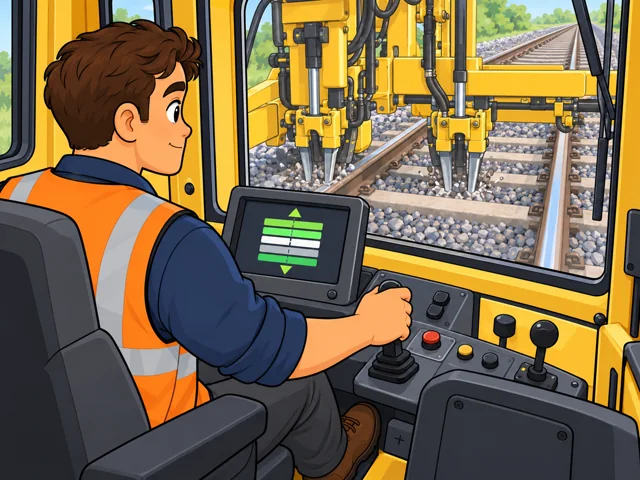
Raise and align the track, pack ballast firmly under the ties, then watch the level display to confirm.
Career profile
Track equipment operators use machines, hand tools and power tools to restore worn railroad track.
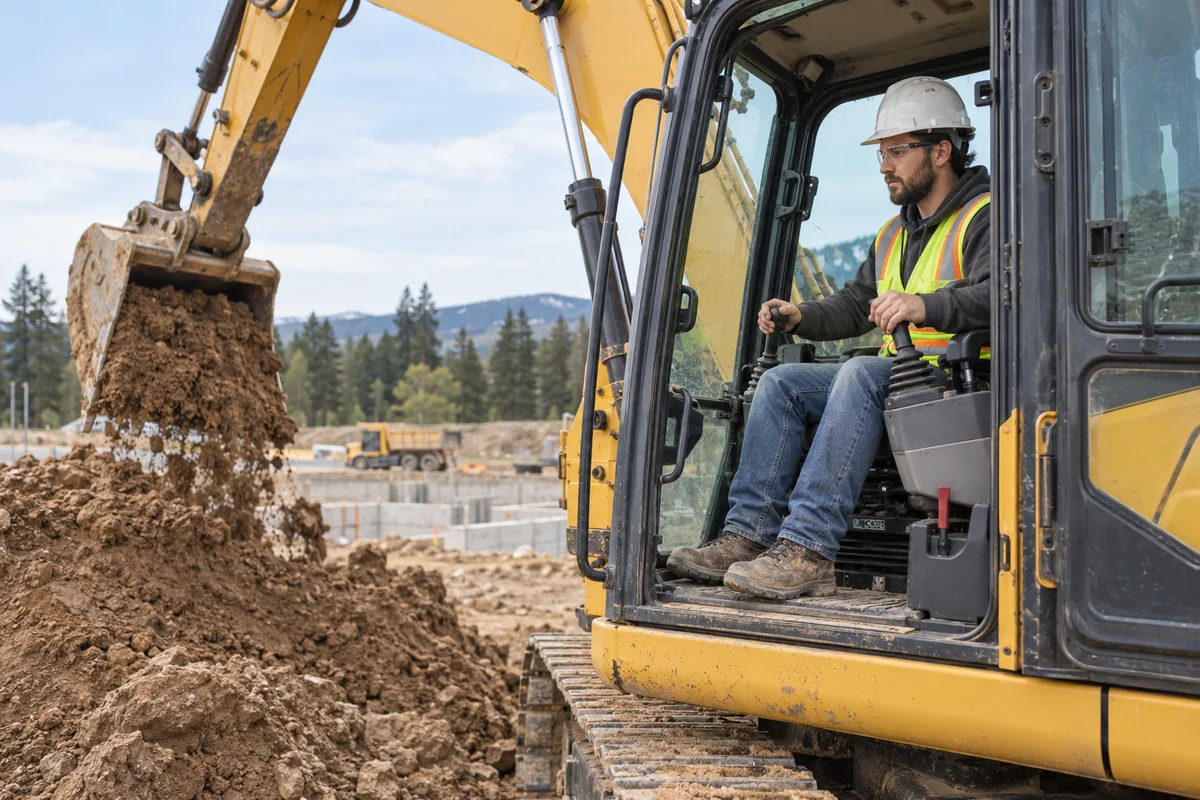
One small lever move can lift heavy track into line. The rest is pulling spikes, swapping parts and readying the machine for the coming section.
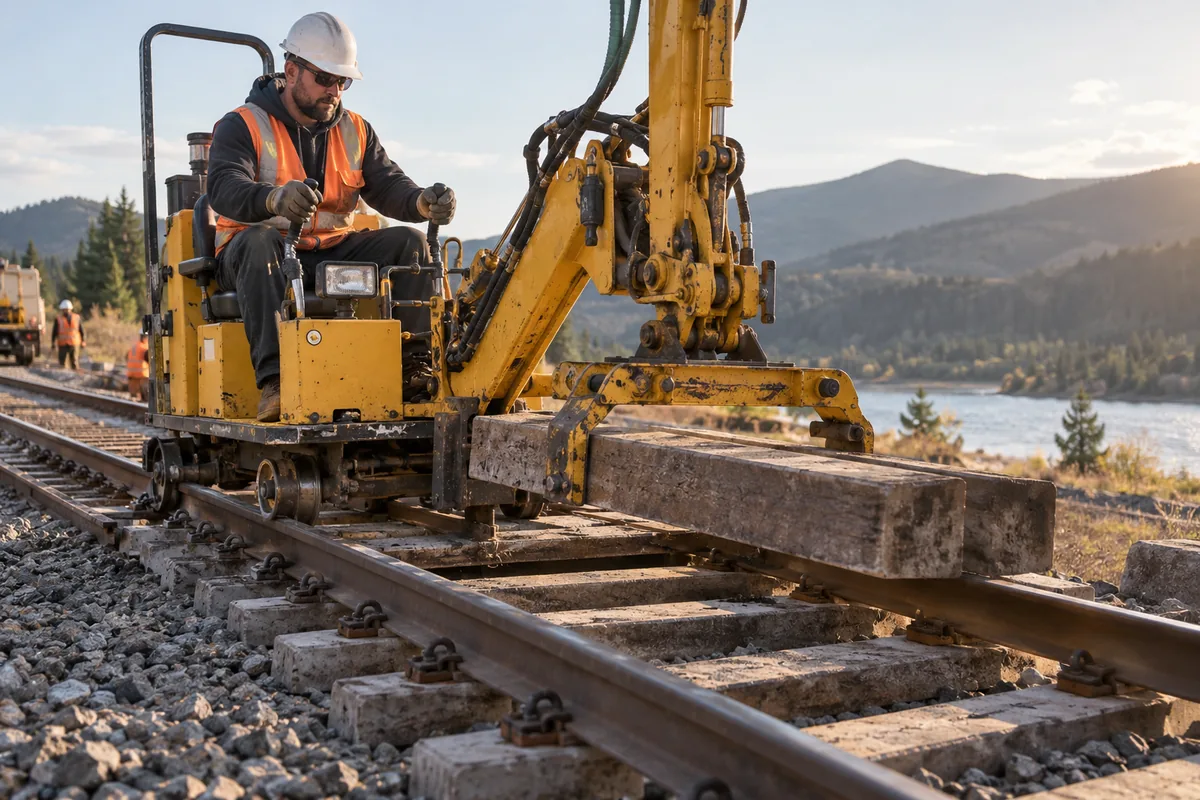
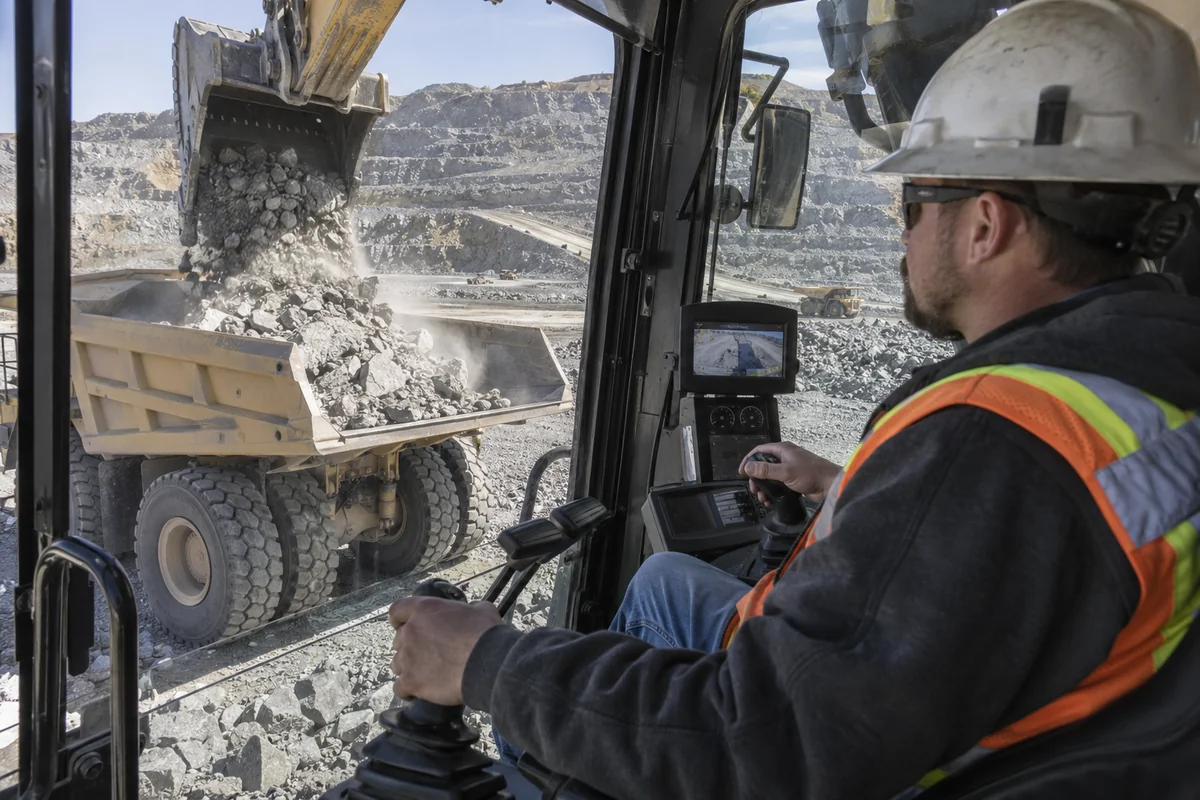
Raise and align the track, pack ballast firmly under the ties, then watch the level display to confirm.
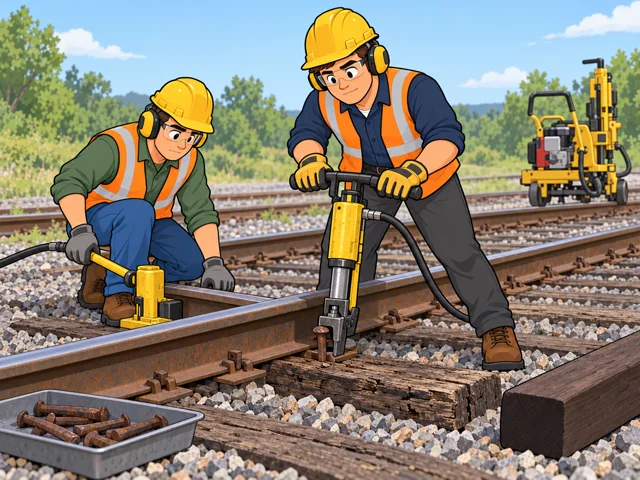
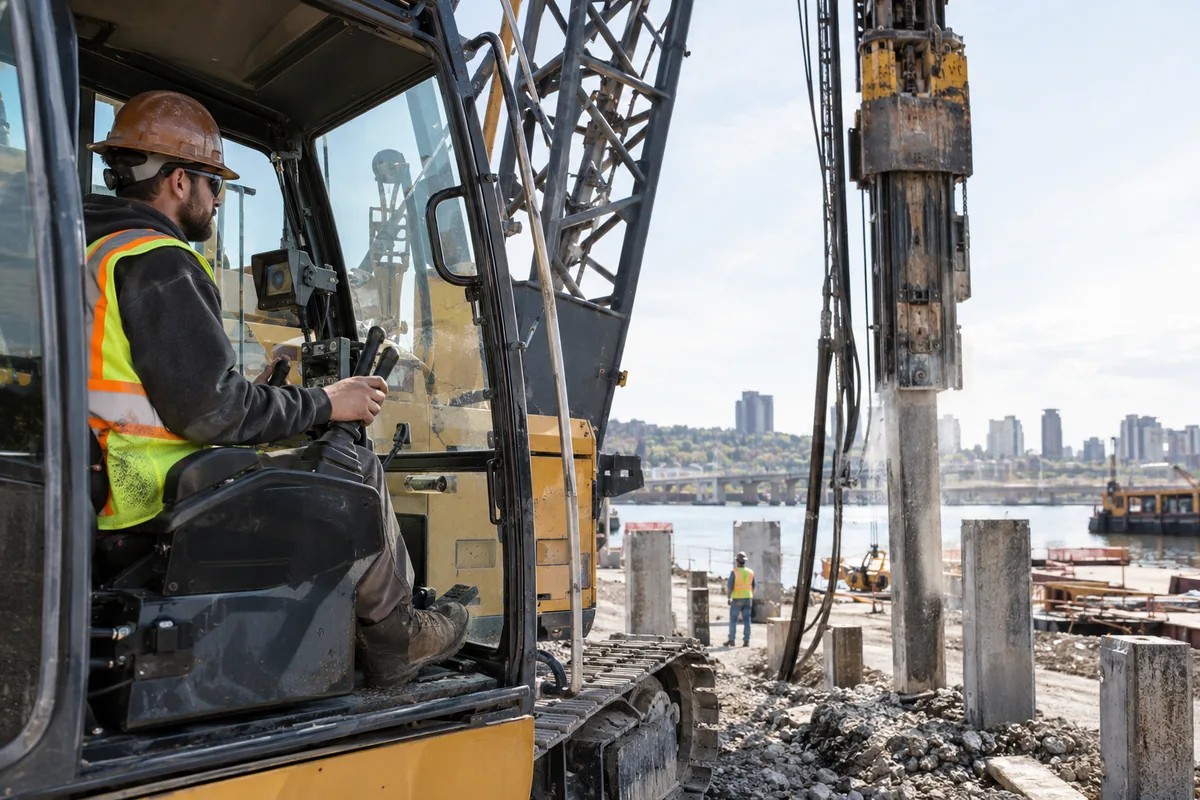
Pull spikes with a spike puller, raise the rail on hydraulic jacks, then a spike-driving machine fastens it.
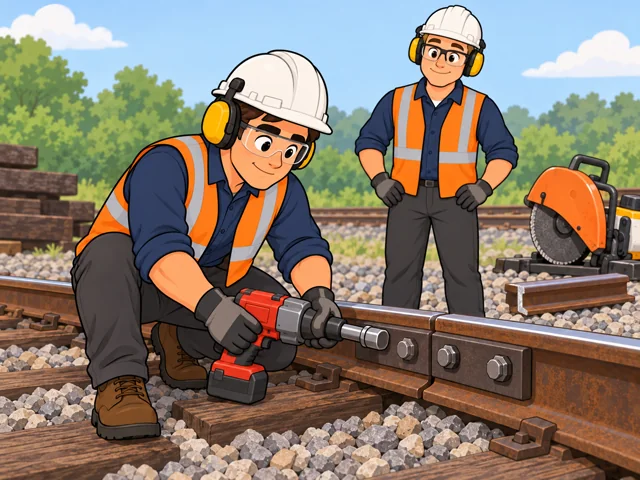
Cut the rail with a rail saw and turn the bolts joining rail sections with a power wrench.
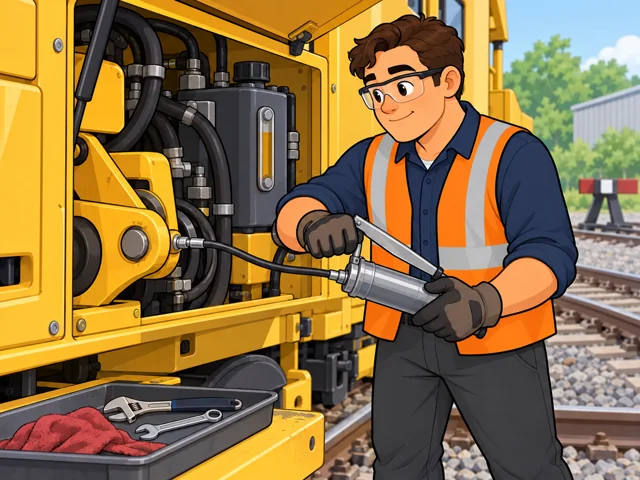
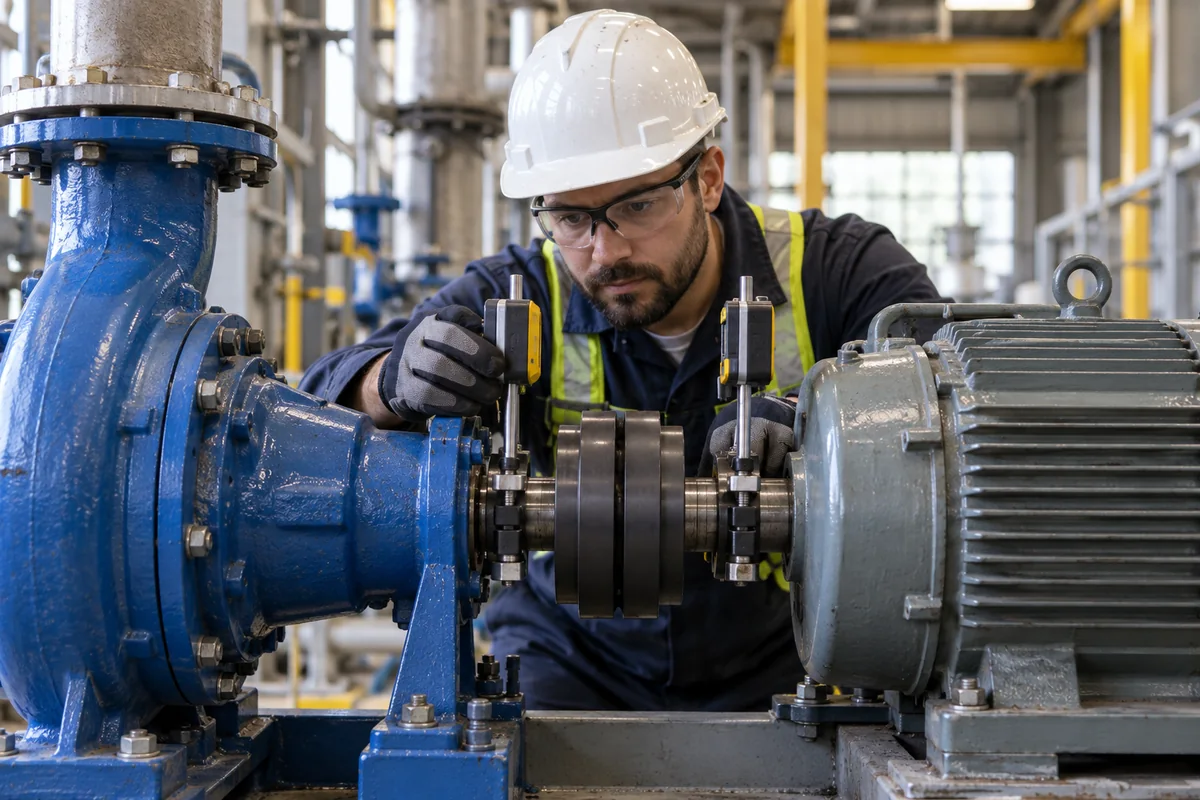
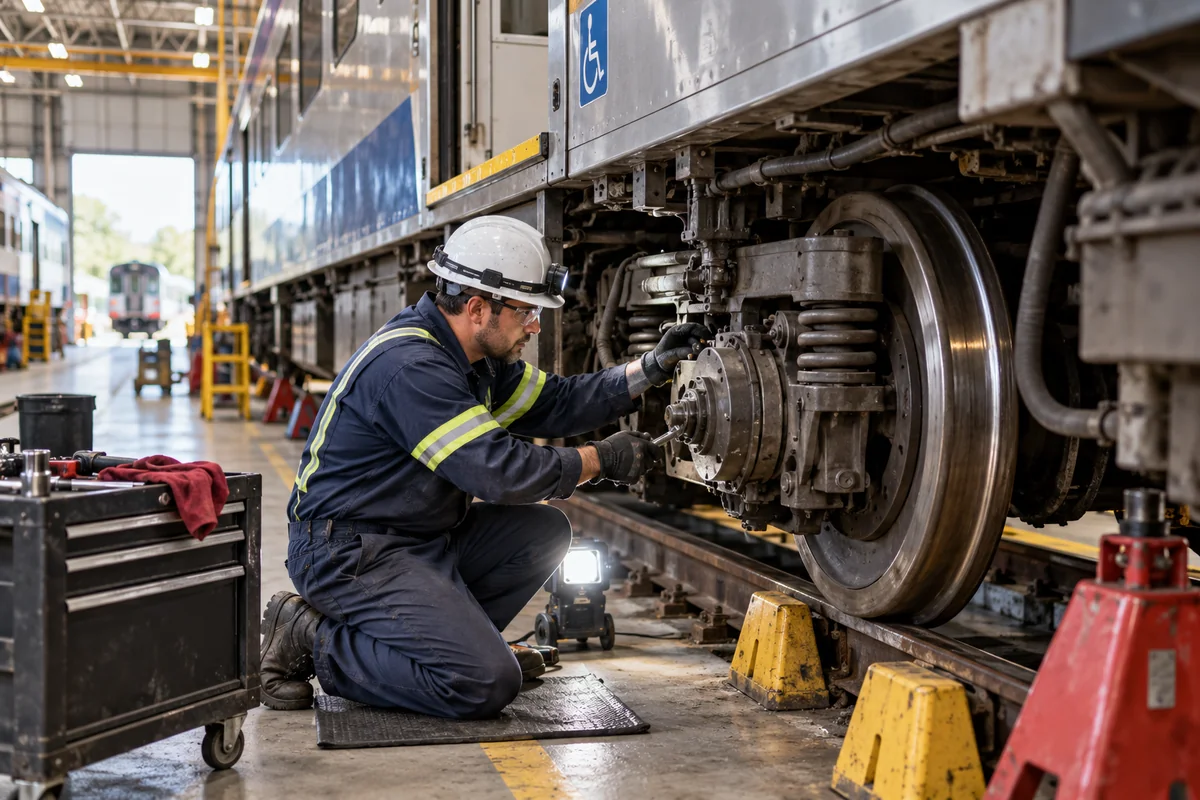
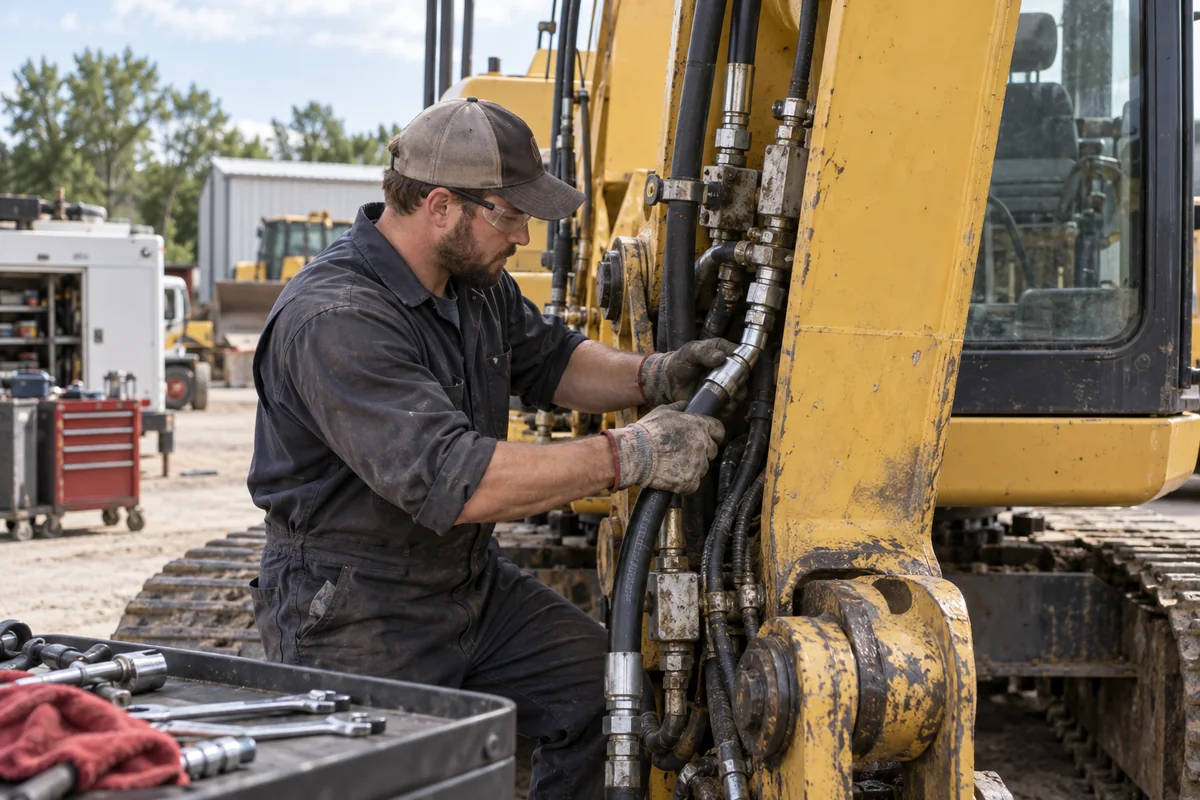
Oil moving parts, check hydraulic fluid and fix small faults so the machine can work the next section.
Quick orientation
Typical entry education; equipment skills develop on the job.
National median, equivalent to $33.69 an hour, for rail-track laying and maintenance equipment operators.
About 1,200 openings a year across track laying and maintenance, including replacement openings.
Some newer tamping systems scan the track, identify obstacles and suggest where to position the working parts. They can also record the machine's actions.
In these assisted systems, you confirm or adjust the recommendation before the machine carries it out. Reading the display and judging the suggested movement become part of operating it.
How much positioning and adjustment will become automatic is still changing. Your balance of hands-on control and screen monitoring will depend on the machines your crew uses.
Pay in context
The national median is a useful reference, not a starting offer. When comparing jobs, ask about the starting rate, overtime rules and travel expenses.
The median was $70,070 a year, or $33.69 an hour. The 10th–90th percentile range was $45,640–$87,420 annually. These figures cover rail-track laying and maintenance equipment operators; the endpoints are not beginner and senior pay rates.
Employment is projected to grow 1.5% from 2025 to 2035, with about 1,200 openings per year on average. Openings include replacing workers who leave the occupation, so they exceed the number of newly added jobs.
Look for track laborer and track maintenance openings as well as operator titles. On railroads covered by federal roadway-worker rules, machine operation requires safety training and demonstrated proficiency with the equipment.
After entry
This starts where the entry routes leave off: early work, growing capability, and advancement or specialization.
Build reliable habits for stopping, keeping clear of other equipment and using the machine's operating procedures.
Develop skill on equipment such as a tamper: interpret its level display and learn how ballast condition changes the adjustments needed.
With substantial track experience, you can pursue track foreman positions and take responsibility for a crew's work. Employers set their own experience and qualification requirements.
Work within a territory, checking track, maintaining switches and replacing rail. The mix can move between hydraulic hand tools and heavy machinery.
Move across a railroad's territory as repair work progresses. Time away and changing day or night start times can shape life outside work as much as the job itself.
Try it
Watch an online demonstration of a railroad tamping machine. Sketch how it lifts the rails and packs stone beneath the ties, then note what the operator watches. Does that combination of machine movement and careful checking interest you?
Stay safe: Keep this exercise online; do not enter railroad property or approach working track equipment.
Keep exploring