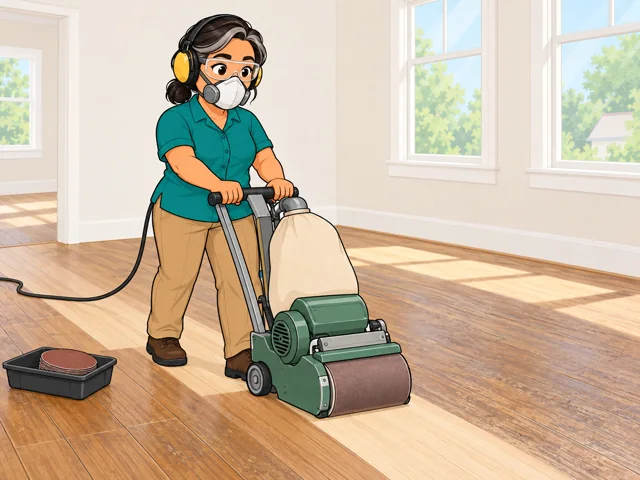
Load paper and sand the boards
Fit sandpaper onto the big sanding machine, then guide it across the boards until they're even.
Career profile
Floor sanders and finishers sand wood floors level, then add coats that protect the surface.
The big machine sands the open middle of a room. Edges and stray rough spots are yours to catch before any coating goes on.
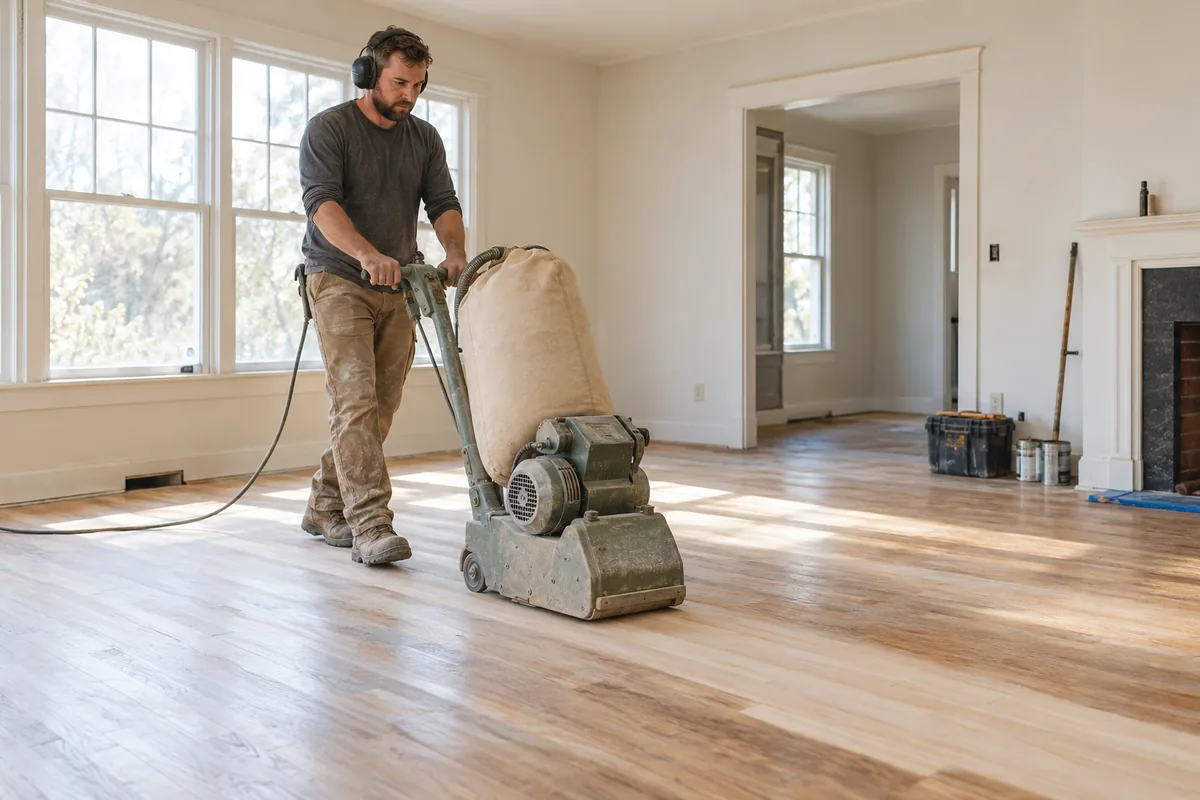
Fit sandpaper onto the big sanding machine, then guide it across the boards until they're even.
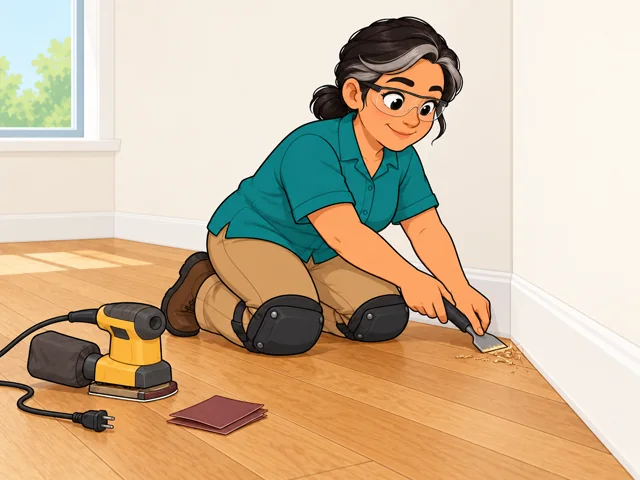
Switch to a smaller sander, a scraper or plain sandpaper where the big machine cannot reach.
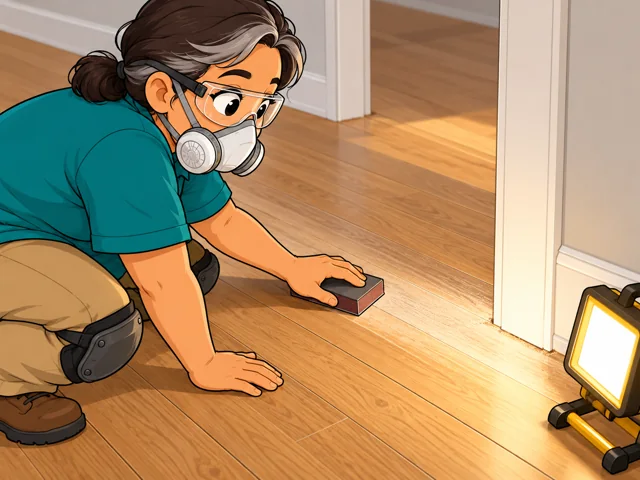
Scan the floor before finishing, then work any line or mark from edging until it blends in.
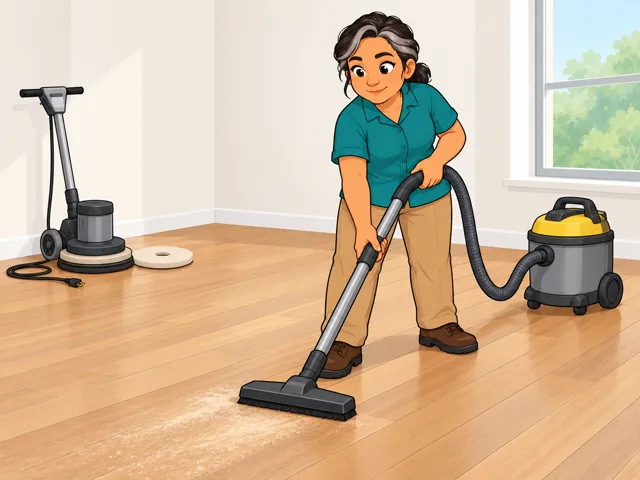
Buff the floor, then vacuum so sanding dust or grit does not end up under the finish.
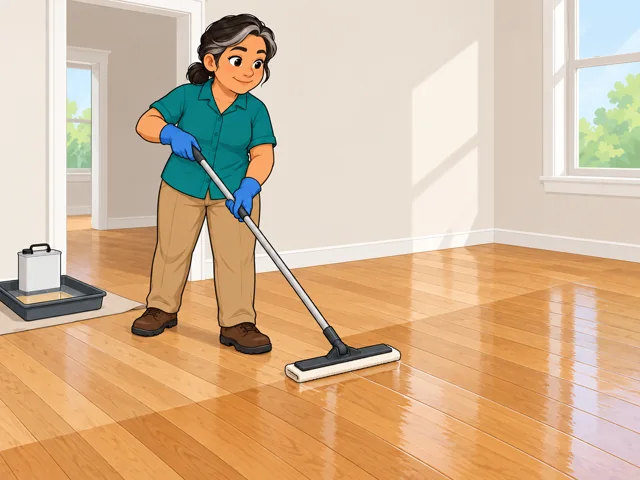
Stain if the job needs a new color, then apply the sealer or finish it specifies.
Quick orientation
Typically, no formal educational credential is needed. Employers train you on the job; individual hiring requirements vary.
National median for floor sanders and finishers, equivalent to $24.25 an hour.
Employment is projected to change little, with about 300 openings a year across the country.
Sanders connected to dust collection equipment can capture dust as you work and reduce cleanup.
You still control the machine, work into awkward edges, and judge whether the surface is ready for finish.
How much future equipment can take over edge work and adjustments to uneven floors remains uncertain.
Pay in context
The national median was $50,440 a year, or $24.25 an hour, in May 2025. That is the middle of employee wages, not a promised starting rate.
The lowest-paid 10% earned $37,070 a year or less; the highest-paid 10% earned $70,340 or more. The hourly thresholds were $17.82 and $33.82. These are wage percentiles, not beginner and experienced pay grades.
Employment is projected to grow 1.4% from 2025 to 2035, with about 300 openings per year on average. Openings include replacing people who leave the occupation, not just newly created jobs.
You can enter through a helper job and learn from an experienced finisher. Beginner wood-floor training offers another way to build skills before or alongside that work.
After entry
This starts where the entry routes leave off: early work, growing capability, and advancement or specialization.
After joining a crew, get consistent at preparing equipment, cleaning between tasks, and recognizing a surface that still needs work.
Develop control of the main sander and edge tools so their work blends together. Improve the consistency of your finish application.
With experience, you may coordinate the day's work, check finished surfaces, and teach newer workers how to improve their results.
You work through rooms and connecting spaces, protect nearby areas, and help homeowners understand when furniture and foot traffic can return.
Larger open floors may come with phased access and a firm reopening schedule. Some crews work after hours to fit around the people using the building.
Try it
Study a wood floor you have permission to inspect. Sketch where a large sander could travel and where a smaller tool would be needed. Look for changes in sheen or visible scratches. Do you enjoy noticing details across a whole room?
Stay safe: Keep this exercise observational; do not sand or apply products to the floor.
Keep exploring