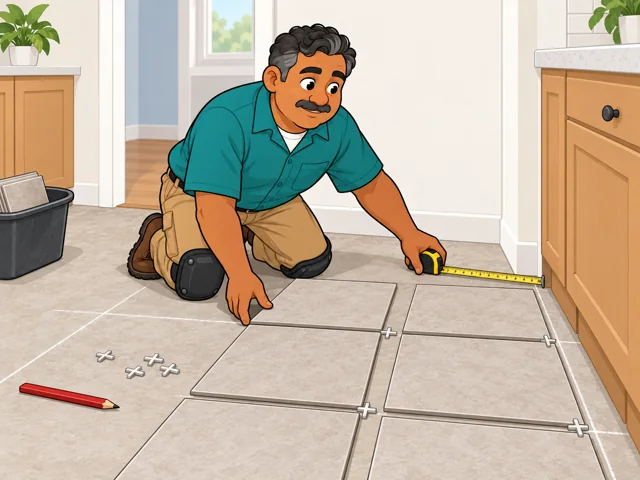
Mark out where rows go
Measure and mark tile rows, then shift the whole design if a border would get awkward cuts.
Career profile
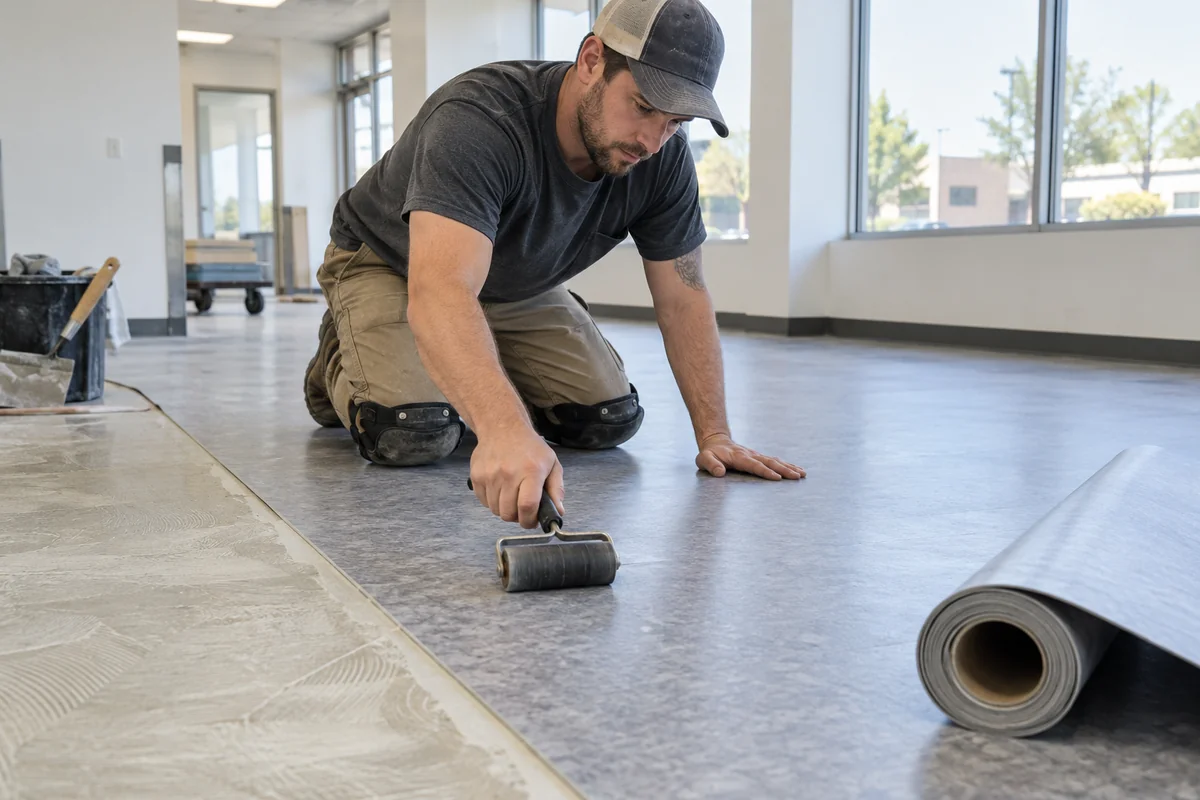
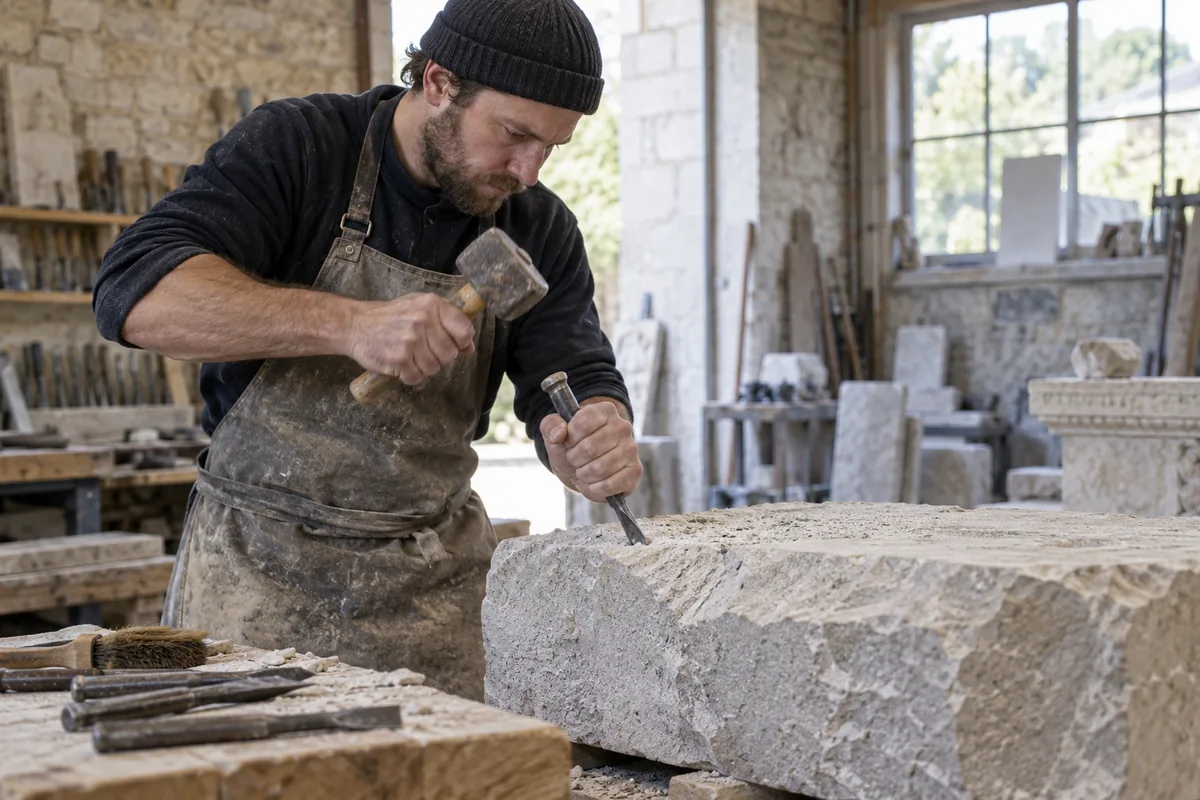
Tile and stone setters install ceramic tile and stone on floors, walls and countertops.
Every cut and every seam between pieces has to line up as you take a design layout to a finished surface.

Measure and mark tile rows, then shift the whole design if a border would get awkward cuts.
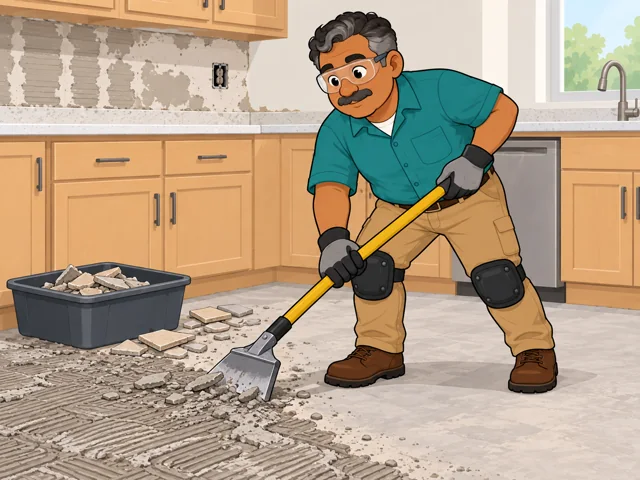
On remodeling jobs, you first remove the old material and smooth the surface beneath before anything goes down.
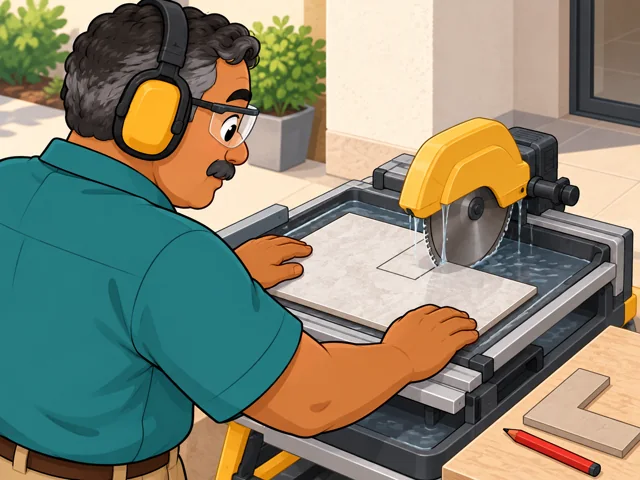
Mark a tile and cut it on a saw or tile cutter to fit around obstacles like corners.
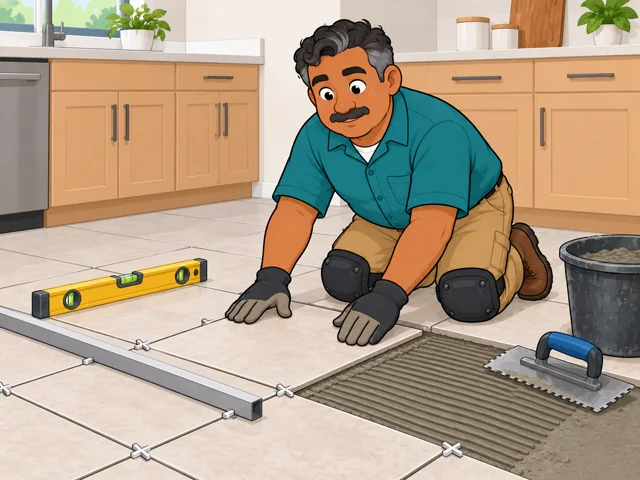
Trowel on mortar, press the tiles into it, then check they sit straight with a level and straightedge.
Quick orientation
Typically no formal educational credential; learning the full trade takes long-term workplace training.
National median employee wage, equivalent to $26.77 an hour.
About 3,300 openings per year, on average, including replacement openings.
Layout software can preview tile patterns and estimate material quantities before installation.
You still check the actual surface and adjust the pieces as you set them.
How much automated planning can handle awkward rooms without installer corrections remains an open question.
Pay in context
Use national wages as a benchmark when comparing actual job offers.
In May 2025, the median was $55,690 a year, or $26.77 an hour. The lowest-paid 10% earned $37,140 or less; the highest-paid 10% earned $86,110 or more. These are wage percentiles, not starting and senior salaries.
A historical comparison shows annual average wages of $57,070 at building finishing contractors and $49,780 in nonmetallic mineral product manufacturing. Both figures are for tile and stone setters in May 2023; they are not current offers.
Employment is projected to grow 9.8% from 2025 to 2035, with about 3,300 openings annually. Openings include replacing people who leave the occupation, so they exceed the number of newly created jobs.
You can enter without a college degree and build the skill through workplace training.
After entry
This starts where the entry routes leave off: early work, growing capability, and advancement or specialization.
Learn how the base affects the finished surface, and practice taking an installation from preparation through finishing.
Develop skills with large tiles, waterproofing membranes and shower assemblies through further training and practice.
With experience, pursue foreman work coordinating installers and helping newer workers improve.
You may remove existing finishes before installing new tile, with customers nearby and questions about their home.
Restaurant and office projects may require evening or weekend work to avoid disrupting business.
Try it
Draw a small bathroom floor on graph paper, including a doorway. Sketch two tile layouts with equal grout gaps. Compare the edge cuts and explain which layout you would choose. Notice whether making the pattern fit feels satisfying.
Keep exploring