Career profile

Masonry and Tile Helper

Masonry helpers stock bricklayers and tile setters with supplies so they can keep building.

Enjoy hands-on work with a crew? From day one you stand beside skilled tradespeople, bringing the next materials, making mixes, and cleaning up afterward.
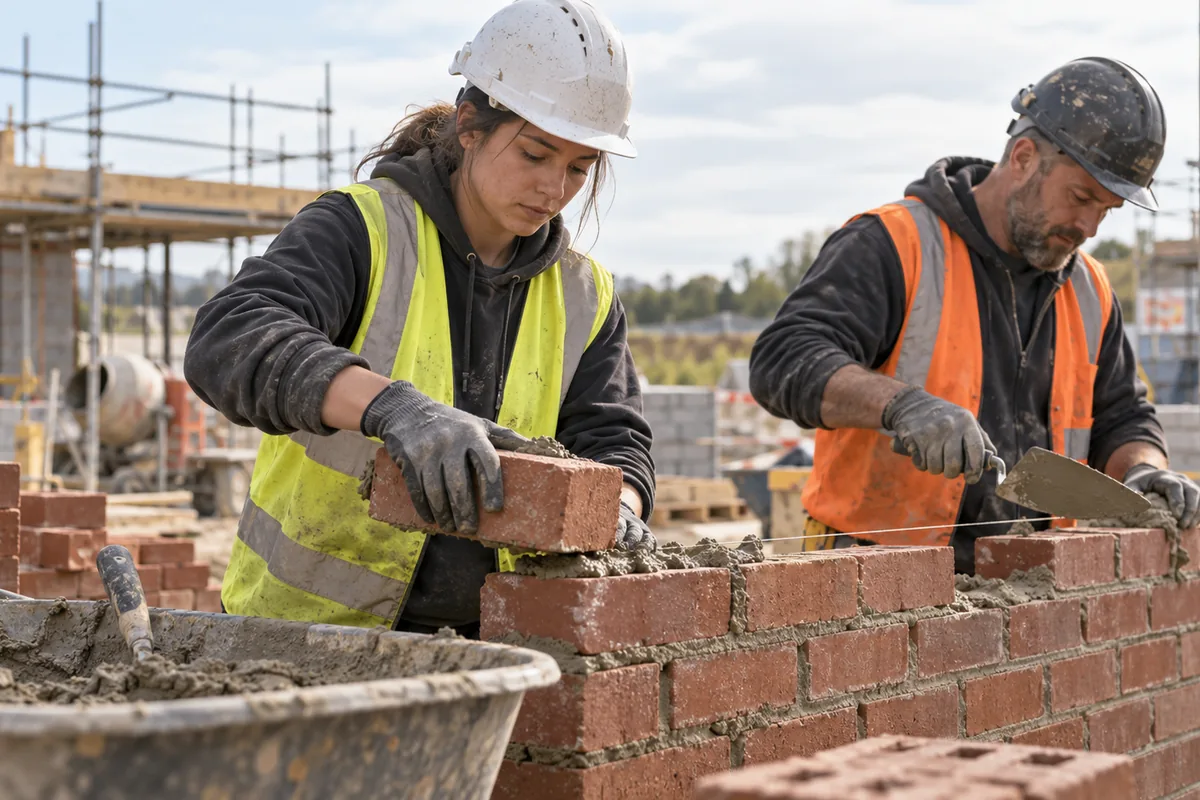
Masonry and tile helper positioning bricks and mortar beside a bricklayer at an active construction site.

A day in the life

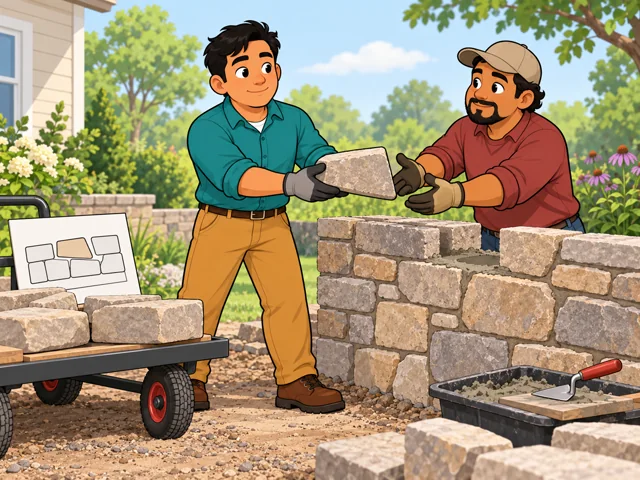
1A masonry helper checks a stone layout drawing and passes the matching piece to a mason building a low wall.

Hand over the next pieces

Check the drawing or the numbered order so you pass the mason the right piece next.
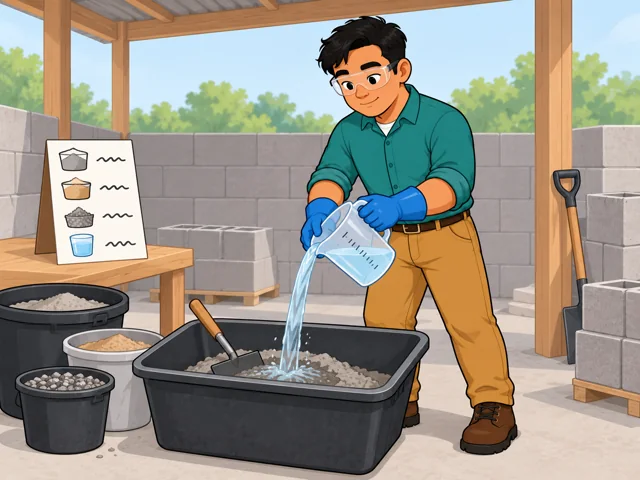
2The helper pours a measured amount of water into a mortar tub, with premeasured ingredients and a mixing hoe ready.

Mix mortar or grout

Measure out each ingredient by the set recipe, then mix it by hand or in a machine.
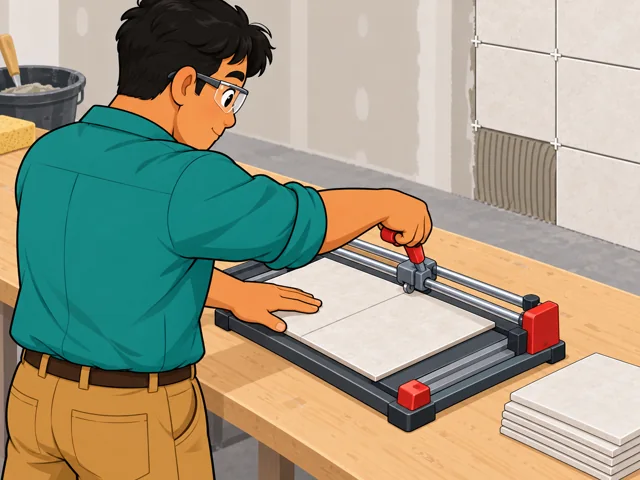
3The helper scores a ceramic tile on a manual cutter, keeping it aligned against the fence.

Cut pieces to size

You trim pieces to size with a power saw or tile cutter so they're ready to install.

4The helper spreads grout into floor-tile joints with a rubber float while a coworker wipes a neighboring section with a damp sponge.

Grout and wipe the tile

On tile crews, press grout into the joints with a rubber float, then wipe the tiles clean.

Quick facts

Pay

$47,550

Median/year · May 2025

Outlook

11.7% decline

1,100 openings/yr

Projected · 2025–35

Preparation

Learn on the job

Quick orientation

Preparation, pay & outlook

Preparation

Learn on the job

Typically no formal educational credential; short-term job training gets you started.

Geography
United States
Period
2025–2035 projections classification

Pay

$47,550 a year

National median for masonry and tile helpers, equivalent to $22.86 an hour.

Geography
United States
Period
May 2025

Outlook

11.7% decline

Employment is projected to shrink, with about 1,100 openings a year across this helper occupation.

Geography
United States
Period
2025–2035

Fit, tradeoffs & changing tools

Things to weigh

  • Repeated lifting and bending are tiring. Noise, dust, and protective equipment are part of many jobs.
  • Outdoor work exposes you to weather, and winter slowdowns can interrupt work in colder areas.

Where AI may help

Mixers and material-moving equipment help with physical tasks.

What people still lead

You still coordinate deliveries with the installer and handle pieces at the work area.

What we can’t predict yet

As more masonry arrives in panels made offsite, some preparation may move with it. How much this changes a helper's day depends on the projects a crew takes.

Pay in context

Earnings

The national median was $47,550 a year, or $22.86 an hour, in May 2025. That covers helpers to brick, block, stone, tile, and marble tradespeople; it is not a starting-pay promise.

The pay spread

The 10th-percentile wage was $36,230 a year ($17.42 an hour), and the 90th was $70,080 ($33.69). These mark the wage distribution, not beginner and experienced-worker rates.

Geography
United States
Period
May 2025
Pay basis
Gross employee wages; annual and hourly percentiles for occupation 47-3011

Compare the rate and the work calendar

Wages differ by location. Seasonal interruptions can also change what you take home over a year, so ask about expected hours and months of work alongside the hourly rate.

Geography
United States
Period
Not stated
Pay basis
Hourly rate versus actual annual earnings

Openings despite fewer jobs

Employment is projected to fall 11.7% from 2025 to 2035. About 1,100 openings a year are still projected as workers leave the occupation or workforce.

Geography
United States
Period
2025–2035
Pay basis
Employment projection; annual average openings, not a wage measure

Getting started

Join a crew as a helper

What the route involves
Learn material handling, tool care, and site routines from experienced workers while doing helper tasks.
What it can lead to
You gain construction experience that can support a later move into a skilled trade.
What to check
You begin under experienced workers' guidance. Ask the employer about education, safety training, and driving requirements before applying.

Build basic construction skills first

What the route involves
Take a construction foundation course with hands-on tool practice, construction math, and safety instruction.
What it can lead to
You build skills for helper applications and further trade training. Choose a course that explicitly prepares students for masonry-helper work.
What to check
Course entry and completion rules vary. Check prerequisites, practical assessments, and the next available class before committing.

Direct helper employment is the usual starting point. A construction foundation course is another way to prepare before applying.

After entry

Career paths

This starts where the entry routes leave off: early work, growing capability, and advancement or specialization.

  1. Get dependable at the basics

    Learn the crew's safety routines and how to move and organize materials without slowing the installation.

  2. Develop finishing skills

    On a tile crew, build from moving materials to finishing joints and cleaning completed surfaces.

  3. Train to become a mason or setter

    Further job training or an apprenticeship can lead into laying masonry or installing tile yourself. Mason apprenticeships typically expect a high school diploma or equivalent; check the program's entry rules.

Where you can work

Exterior masonry crews

Work follows the wall as it rises, often around scaffolding. Weather can change the schedule, and materials must reach the part of the structure being built.

  • Outdoors
  • Physical demands
  • Safety-sensitive

Interior tile and stone crews

Floors, showers, and other finished surfaces bring work close to the ground or wall. Remodels add old-material removal; commercial projects may run evenings or weekends to avoid business hours.

  • Indoors
  • Physical demands

Try it

See whether the job clicks before you commit to the path.

Make a small tile pattern from colored paper squares. Have a partner assemble it while you sort and supply the next pieces, then switch roles. Notice whether you enjoy anticipating what the installer needs and keeping materials organized.

Stay safe: Use paper only; this tests coordination, not the lifting or tool skills of the real job.

Explore more careers

Sources

  1. O*NET OnLine. Helpers—Brickmasons, Blockmasons, Stonemasons, and Tile and Marble Setters. Accessed 2026-10-06.
  2. O*NET OnLine / U.S. Bureau of Labor Statistics. 2025 wages for 47-3011.00: United States rows. Accessed 2026-10-06.
  3. U.S. Bureau of Labor Statistics. Occupational projections and worker characteristics, 2025–2035. Accessed 2026-10-06.
  4. U.S. Bureau of Labor Statistics. Construction Laborers and Helpers. Accessed 2026-10-06.
  5. U.S. Bureau of Labor Statistics. Masonry Workers. Accessed 2026-10-06.
  6. U.S. Bureau of Labor Statistics. Flooring Installers and Tile and Stone Setters. Accessed 2026-10-06.
  7. Wake Technical Community College. Carpentry & Construction Training: Core Curriculum. Accessed 2026-10-06.

Your message goes to the Great Jobs team. How we use your information