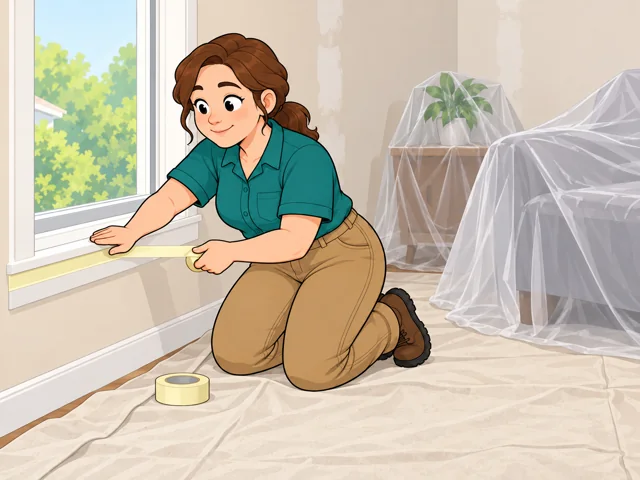
Tape and cover before starting
To start the job, lay covers and masking tape wherever paint or plaster could leave a stain.
Career profile
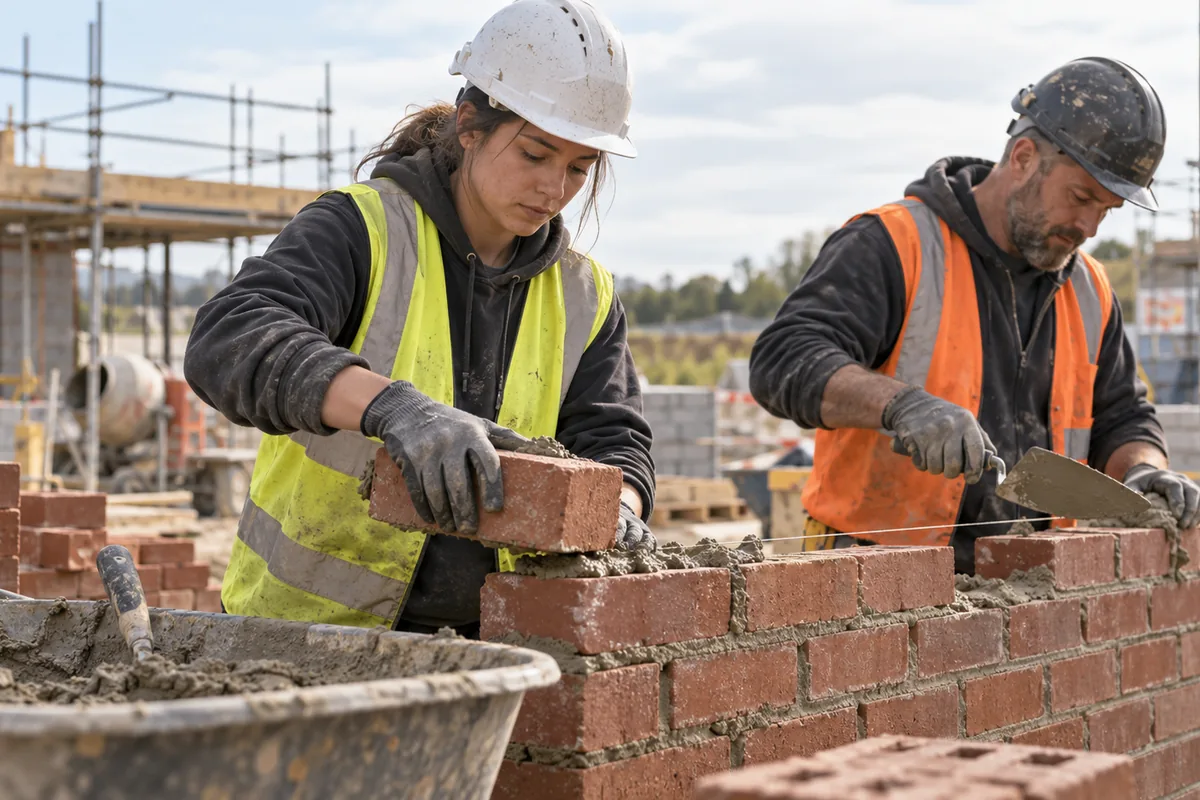
Painter and plasterer helpers get surfaces and materials ready for the painters and plasterers.
How a finished room turns out depends on the prep that comes first. Helpers turn uneven, unready surfaces into spots the crew can work on.

To start the job, lay covers and masking tape wherever paint or plaster could leave a stain.
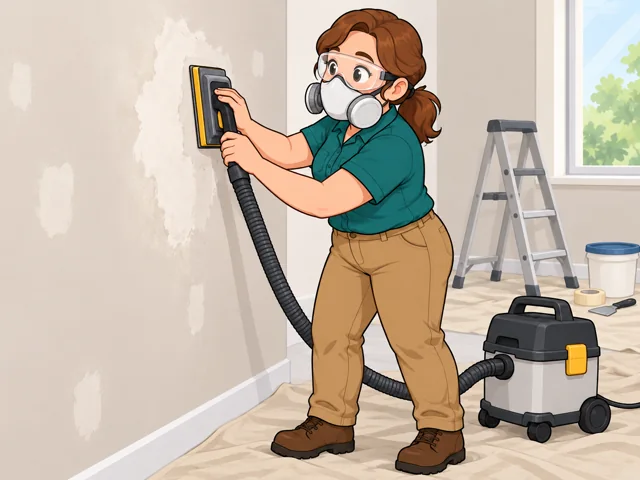
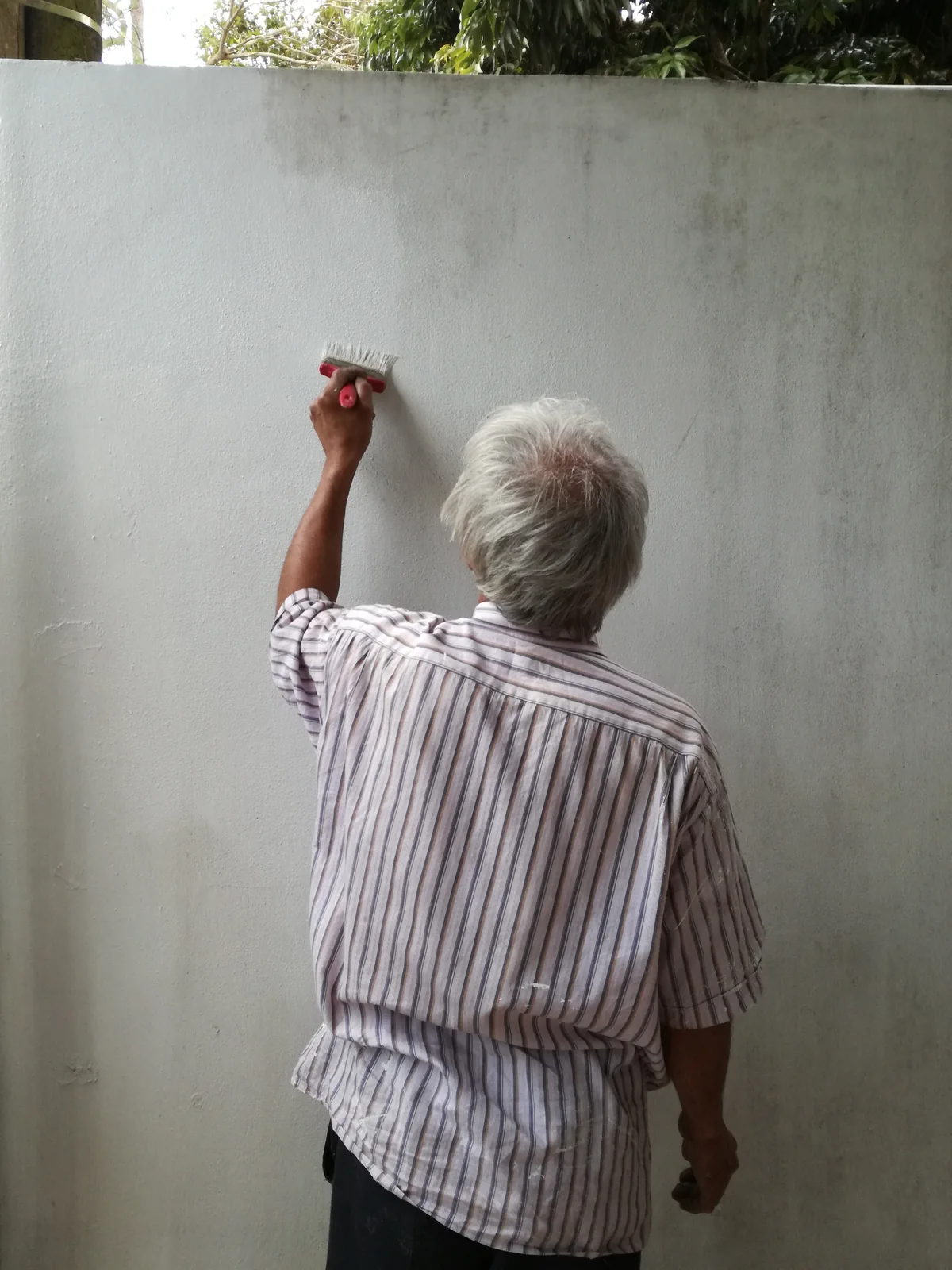
You sand the uneven spot smooth before painting, so paint can go on over it afterward.
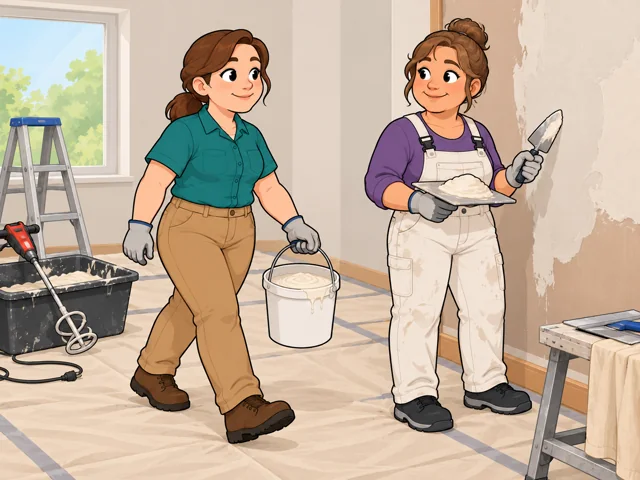
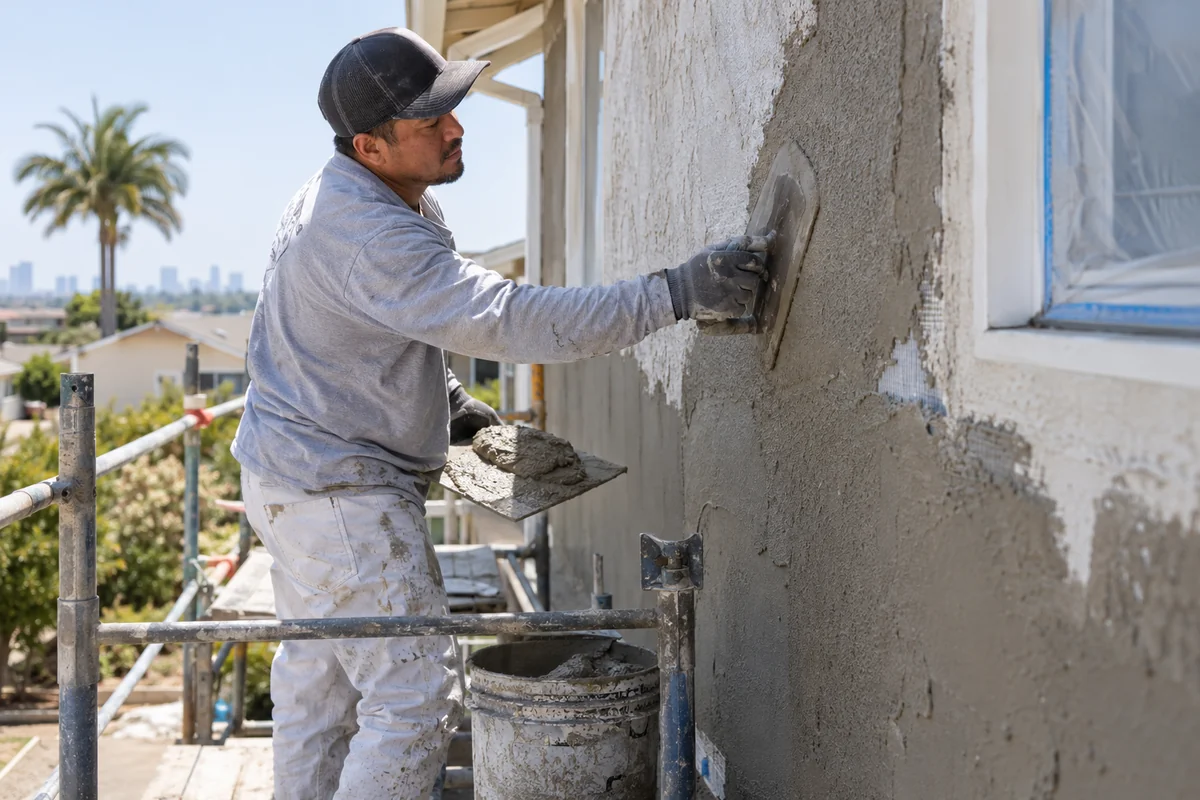
On plastering jobs, mix the plaster and carry the batch over so it's within the plasterer's reach.
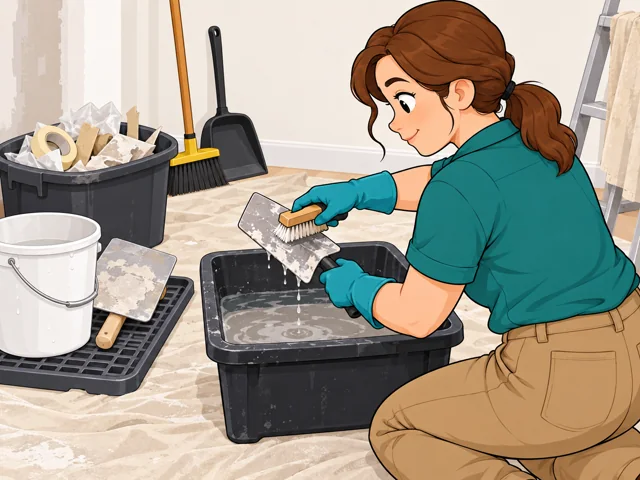
Wash the tools and gear and clear away the job's mess so you leave the site clean.
Quick orientation
Typically no formal educational credential; short-term workplace training.
Median of $19.46/hour for helpers to painters, paperhangers, plasterers, and stucco masons.
Projected employment change for the same helper group.
Programs that organize project information and estimate costs can help with planning.
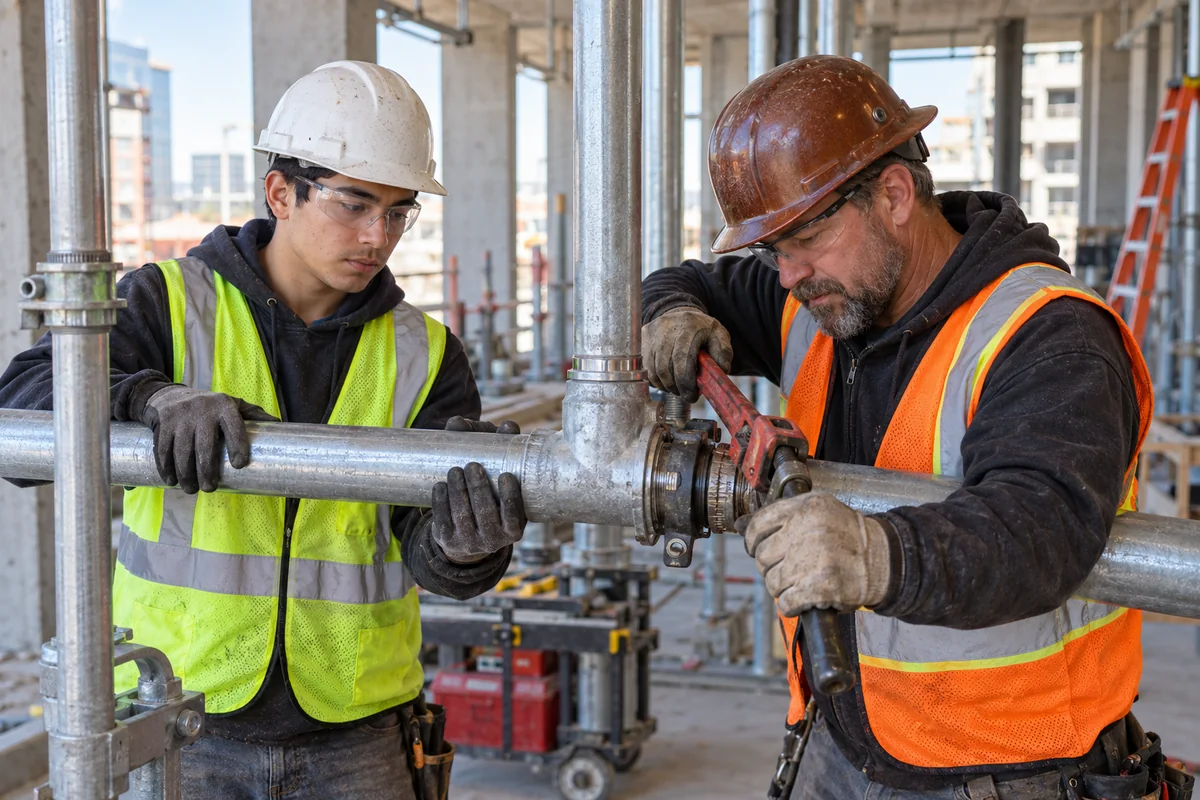
You still handle coverings, materials, and tools and coordinate with the craft worker.
How much future equipment will take over surface preparation—and how much setup people will still do—remains uncertain.
Pay in context
These national figures cover helpers to painters, paperhangers, plasterers, and stucco masons together.
The May 2025 median was $40,470 a year, or $19.46 an hour. Half earned more and half earned less; this is not a starting-pay promise.
In May 2025, the 10th-percentile annual wage was $31,200 and the 90th-percentile wage was $52,000. These are wage percentiles, not starting and senior salaries.
Seasonal interruptions can change what you earn over a year. When comparing offers, ask about the hourly rate and expected weeks of work.
About 700 openings a year are projected for 2025–2035. These include replacing people who leave, alongside projected employment growth of 1.5%.
You can enter helper work without completing a college program. Hiring requirements still vary.
After entry
This starts where the entry routes leave off: early work, growing capability, and advancement or specialization.
After hire, watch how experienced workers organize the job and practice the preparation steps they teach you.
Improve your surface preparation and learn to have materials ready when the craft worker needs them.
A possible next step is becoming a painter, learning coating application and color matching through further workplace training or an apprenticeship.
On a residential painting crew, you protect belongings and work around people living in the home. Their schedules can change the day's plan.
Commercial painting projects can cover large areas. Helping the crew means preparing surfaces and moving supplies across a bigger work area.
Try it
Draw a window shape on scrap cardboard. Use paper and masking tape to cover the area around it without covering the window. Check the edges for gaps. Notice whether you enjoy the careful preparation that happens before painting starts.
Stay safe: Use scrap materials so the tape cannot damage a finished surface; no paint or sanding is needed.
Keep exploring