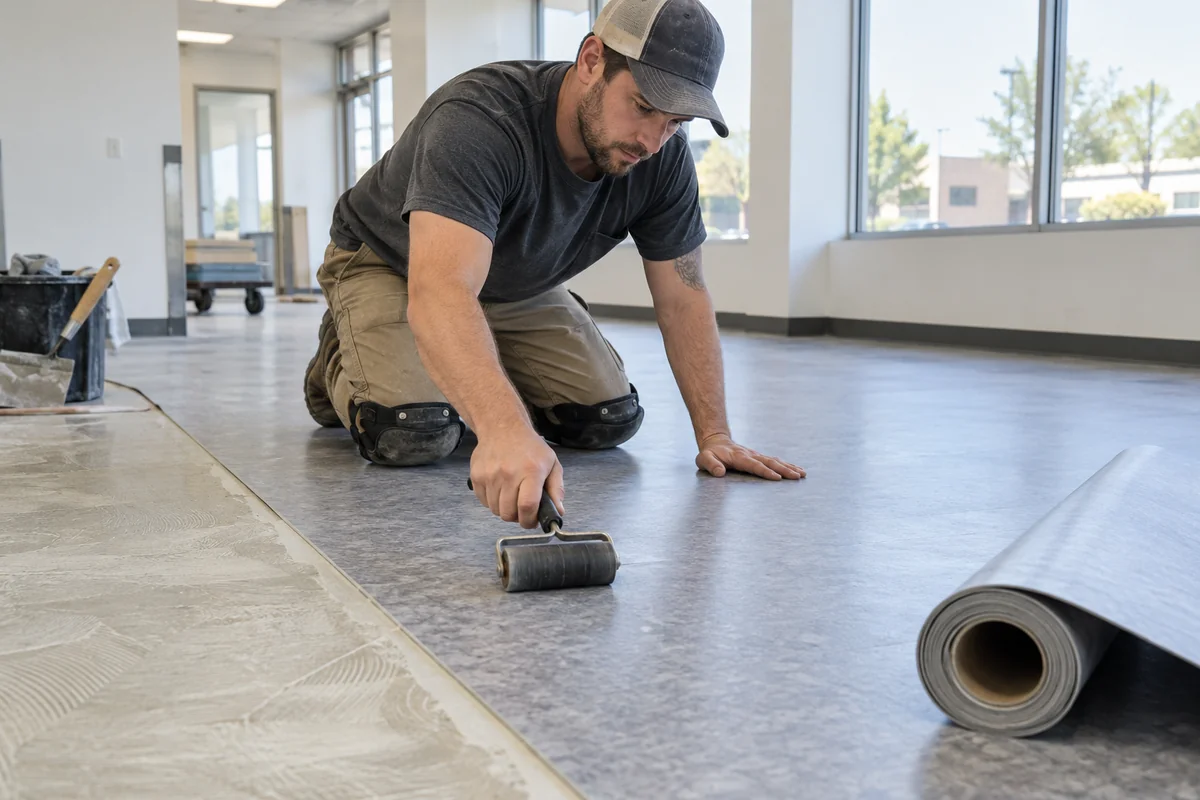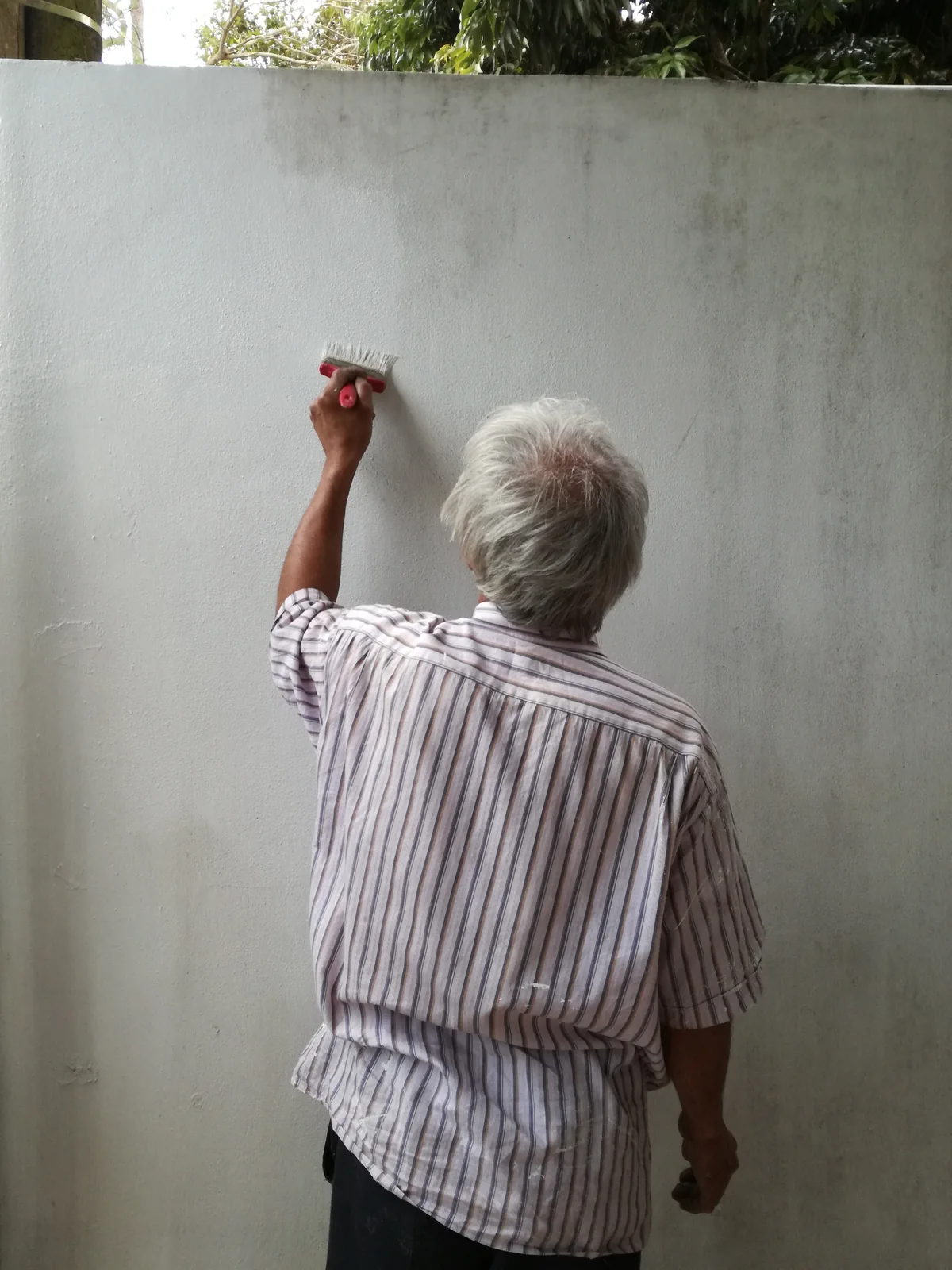
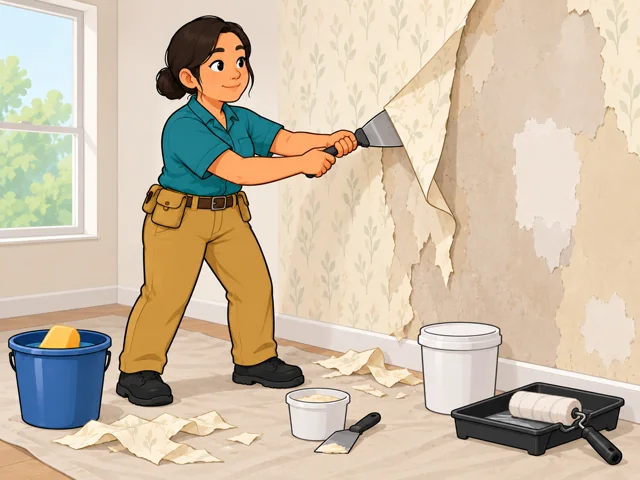
Ready the wall for paper
Strip old wallpaper, prep the surface, and choose a wallpaper primer that suits it so new paper sticks.
Career profile
Paperhangers prepare the wall itself, then turn rolls of wallpaper into finished walls.
The pattern has to match at every seam and work across the whole room. Anyone who enjoys precise, visible handwork might explore that puzzle.

Strip old wallpaper, prep the surface, and choose a wallpaper primer that suits it so new paper sticks.
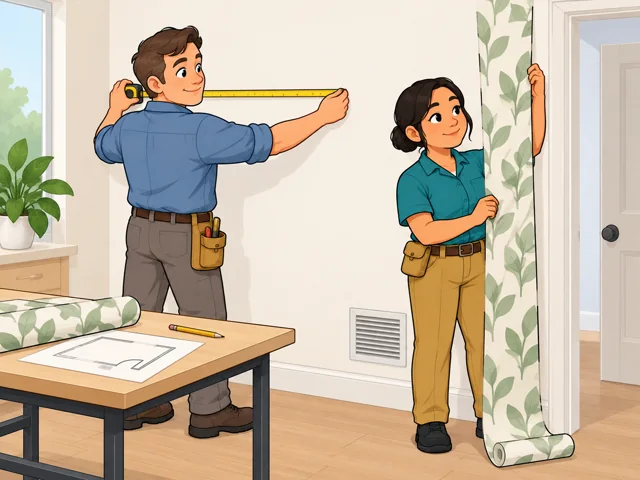
You measure the room, plan the pattern around vents and doors, and pick seam spots before cutting.
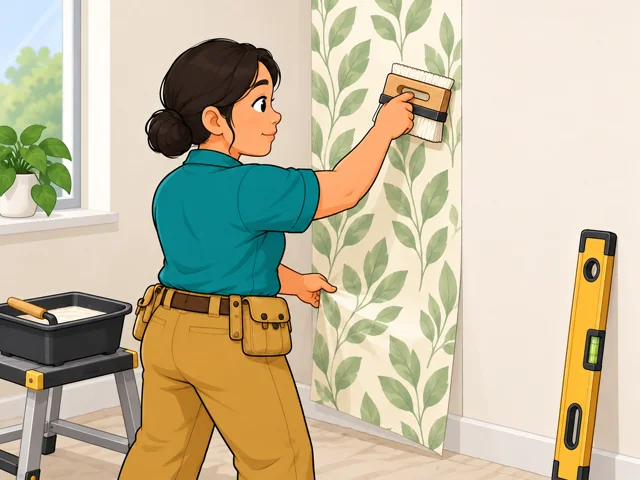
Mark a straight starting line with a level, slide pasted paper into place, and smooth it gently downward.
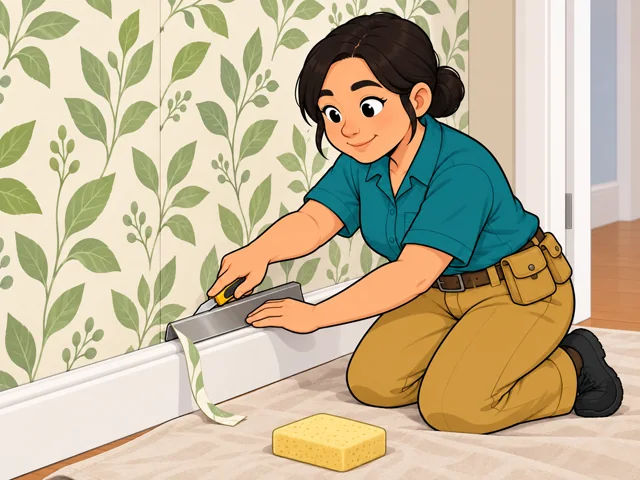
Trim excess using a knife and trim guide, then check that patterns match and seams look tidy.
Quick orientation
Typical entry requires no formal educational credential; developing competence takes long-term on-the-job training.
National median for Paperhangers, equivalent to $25.07 per hour.
Paperhangers are projected to have about 200 openings annually nationwide.
Estimating software can help organize quantities and bids. Digital printing also brings installers murals made from multiple image panels.
For a printed mural, you still check the actual wall dimensions, adjust the layout and handle the panels.
How much layout planning software will take over when a design must fit an irregular room remains an open question.
Pay in context
Use the national figures as a benchmark when comparing an actual offer.
Paperhangers had median pay of $52,140 a year, or $25.07 an hour. The lowest-paid 10% earned $36,020 or less; the highest-paid 10% earned $69,050 or more. These are wage percentiles, not beginner and expert pay rates.
Employment is projected to grow 4.3% from 2025 to 2035, with about 200 openings per year across Paperhangers. That national total does not tell you how many employers are hiring nearby.
You can learn through employment or begin with focused installation courses. Employers set their own hiring requirements.
After entry
This starts where the entry routes leave off: early work, growing capability, and advancement or specialization.
After entry, focus on consistent wall preparation and clean seams. Have an experienced installer check your results.
Develop your layout skills so you can choose seam locations and fit a pattern around the room's features.
Build expertise with textiles or delicate murals, where adhesive choice and careful handling become especially important.
Residential work puts you in customers' living spaces, sometimes around household pets. You travel between jobs and communicate directly with customers about the work.
You may handle coverings chosen for durability as well as appearance. Commercial projects range from short installations to larger jobs that keep crews on a project for months.
Try it
Cut three strips of patterned wrapping paper with scissors and arrange them on cardboard. Match the design across both seams, then add a pretend window and reconsider the layout. Notice whether the measuring and small adjustments hold your interest.
Stay safe: Use removable tape on cardboard; this exercise does not require paste, blades or work on a real wall.
Keep exploring